


Gaza War Pushes Women and Girls to the Brink
Amnesty International warns that war, displacement and aid restrictions are exposing women and girls in Gaza to severe health risks.
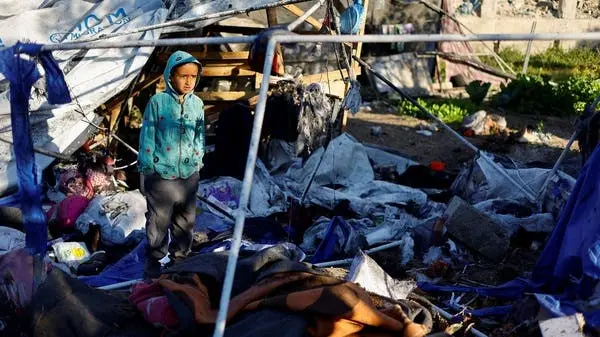
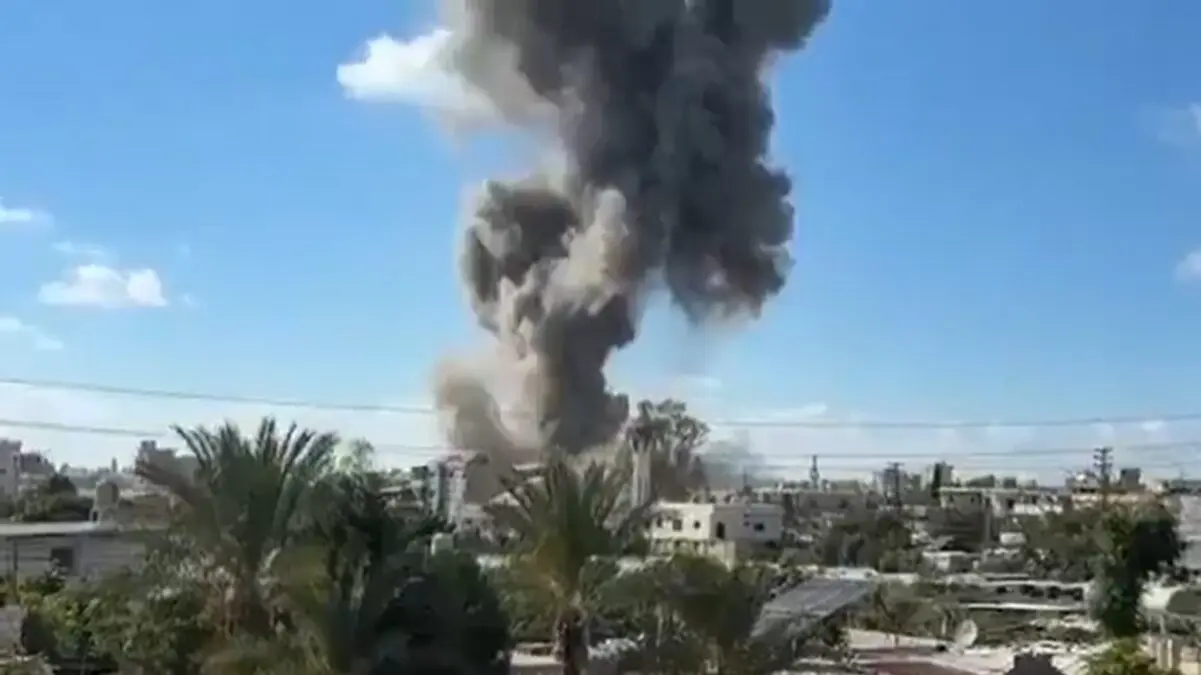
Gaza war devastates women and girls health and survival conditions. Photo: @AlArabiya_Eng
March 10, 2026 Hour: 6:45 am
🔗 Comparte este artículo
Collapsed healthcare, displacement and aid restrictions are exposing women and newborns in Gaza to severe health risks.
Women and girls in the Gaza Strip are facing escalating health and survival risks as the war, mass displacement and restrictions on humanitarian aid continue to undermine access to medical care, food and essential services, according to Amnesty International and humanitarian agencies.
RELATED: Iran launches major 33rd wave of “True Promise 4” attacks
Amnesty International says the combined effects of military operations, displacement and aid restrictions have pushed Palestinian women and girls in Gaza “to the brink,” particularly through the collapse of reproductive and maternal healthcare, interruptions in treatment for chronic diseases and severe shortages of essential supplies.
“Over the past 29 months, the devastating multidimensional impact of the genocide Israel is committing has pushed Palestinian women and girls in the Gaza Strip to the brink,” said Amnesty International Secretary General Agnès Callamard.
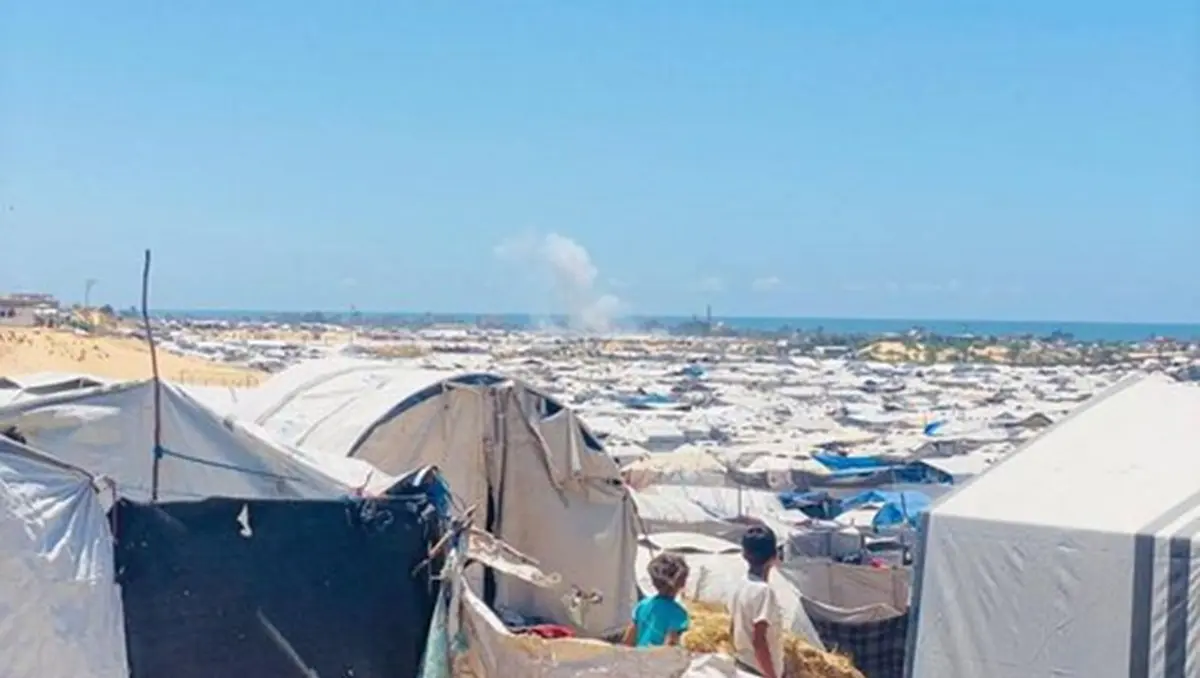
Women interviewed by the organization described being forced to carry pregnancies and give birth in overcrowded and unsanitary displacement sites, often without adequate medical care, privacy or protection.
According to Gaza’s Health Ministry, more than 72,000 Palestinians have been killed since October 7, 2023. Between the October 2025 ceasefire and the end of February 2026, 630 people were killed, including 202 children and 89 women.
The war has severely damaged Gaza’s healthcare infrastructure. The World Health Organization reports that nearly 60 percent of health service points are no longer functioning, placing intense pressure on the few facilities still operating.
At the same time, the Gaza Health Ministry estimates that around 46 percent of essential medicines are unavailable, including drugs used to induce labor, treat postpartum hemorrhage and manage infections.
Medical personnel interviewed by Amnesty International report that many pregnant women arriving at hospitals suffer from anemia linked to malnutrition, as well as infections associated with contaminated water and unsanitary living conditions. Some hospitals have been forced to use expired anesthesia due to shortages.
The United Nations Population Fund (UNFPA) projects that 37,000 pregnant and breastfeeding women will face acute malnutrition and require treatment before October 2026.
Doctors have also documented a rise in maternal and neonatal complications, including premature births, low birth weight and respiratory illnesses in newborns. Neonatal intensive care units are operating far beyond capacity. According to UNFPA, facilities across Gaza function at 150 to 170 percent capacity, with up to three newborns sharing a single incubator.
Treatment for life-threatening illnesses has also been disrupted. More than 18,500 Palestinians require urgent medical treatment unavailable inside Gaza, largely due to the destruction of healthcare infrastructure.
Medical evacuations remain severely restricted. Since the partial reopening of the Rafah crossing on February 2, 2026, the United Nations and partner organizations have facilitated the evacuation of 289 Palestinian patients and their families through Rafah and Kerem Shalom crossings.
Cancer patients are among those most affected by shortages of medicines and diagnostic equipment. “There is no hospital in Gaza currently offering radiotherapy,” a nurse told Amnesty International. “We also have a severe shortage of diagnostic equipment. There are not enough functioning MRI machines in all of Gaza.”
The destruction of the Turkish-Palestinian Friendship Hospital, Gaza’s only specialized oncology center, has further reduced treatment options after the facility was evacuated in October 2023 and later damaged during the war.
Humanitarian access remains uncertain. On February 28, Israel closed the three operational crossings into Gaza following a joint attack with the United States on Iran, halting aid entry and medical evacuations. The Kerem Shalom crossing reopened partially on March 3 for the gradual entry of humanitarian assistance, while the Rafah crossing with Egypt remains closed.
Key figures documented by Amnesty International
- More than 72,000 Palestinians killed since October 7, 2023
- 630 deaths recorded between October 2025 and February 2026, including 202 children and 89 women
- Nearly 60% of Gaza’s health service points are not functioning
- 46% of essential medicines are currently unavailable
- 37,000 pregnant or breastfeeding women projected to face acute malnutrition by October 2026
- Neonatal units operating at 150–170% capacity, with up to three newborns sharing incubators
- 18,500 patients require urgent medical treatment unavailable in Gaza
- 289 patients medically evacuated since February 2026
Amnesty International says the combined effects of displacement, the collapse of healthcare services and restrictions on humanitarian assistance continue to shape daily survival conditions for women and girls in Gaza, while medical workers warn that long-term consequences for maternal and child health are already emerging.
Author: MK
Source: Amnesty International / Palestinian Center