U.S. Economic Confidence Falls as Iran War Fuels Inflation
A new Gallup survey shows economic confidence in the United States has fallen to its lowest level since 2022 amid inflation and rising fuel prices linked to the war on Iran.
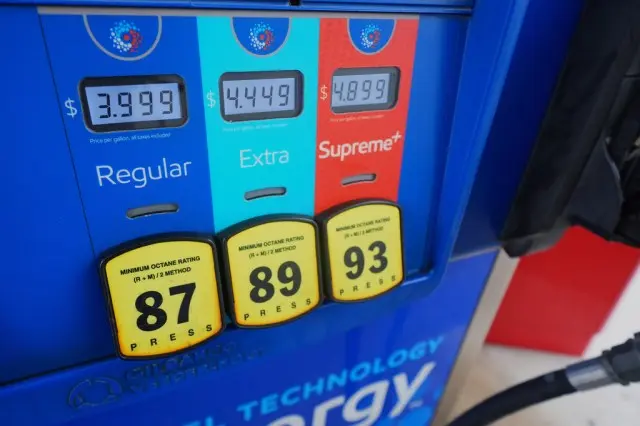
Rising fuel prices and inflation linked to the war on Iran continue to weaken confidence in the U.S. economy. Photo: The Hill
May 23, 2026 Hour: 5:56 am
🔗 Comparte este artículo
Gallup survey records worst economic outlook since 2022 as fuel prices continue climbing.
Economic confidence in the United States has fallen to its lowest level since 2022, according to a Gallup survey released Friday, as rising fuel prices and inflation linked to the war on Iran deepen public concerns over the economy.
The poll found that only 16 percent of respondents consider current economic conditions “good” or “excellent”, while Gallup’s Economic Confidence Index dropped to -45.
RELATED: U.S. Nimitz Carrier Enters Caribbean Amid Trump’s Threats Against Cuba
Forty-nine percent described the economy as poor and 34 percent rated conditions as fair. Meanwhile, 76 percent said the economy is worsening, compared with 20 percent who believe it is improving.
The index combines assessments of current economic conditions, which stood at -33, with expectations about the economy’s direction, measured at -56.
The findings mark Gallup’s worst reading on the economy since 2022, when inflation accelerated following the COVID-19 pandemic and the war in Ukraine.
The latest figures add pressure on U.S. President Donald Trump ahead of November’s midterm elections, which will determine whether Republicans retain control of Congress.
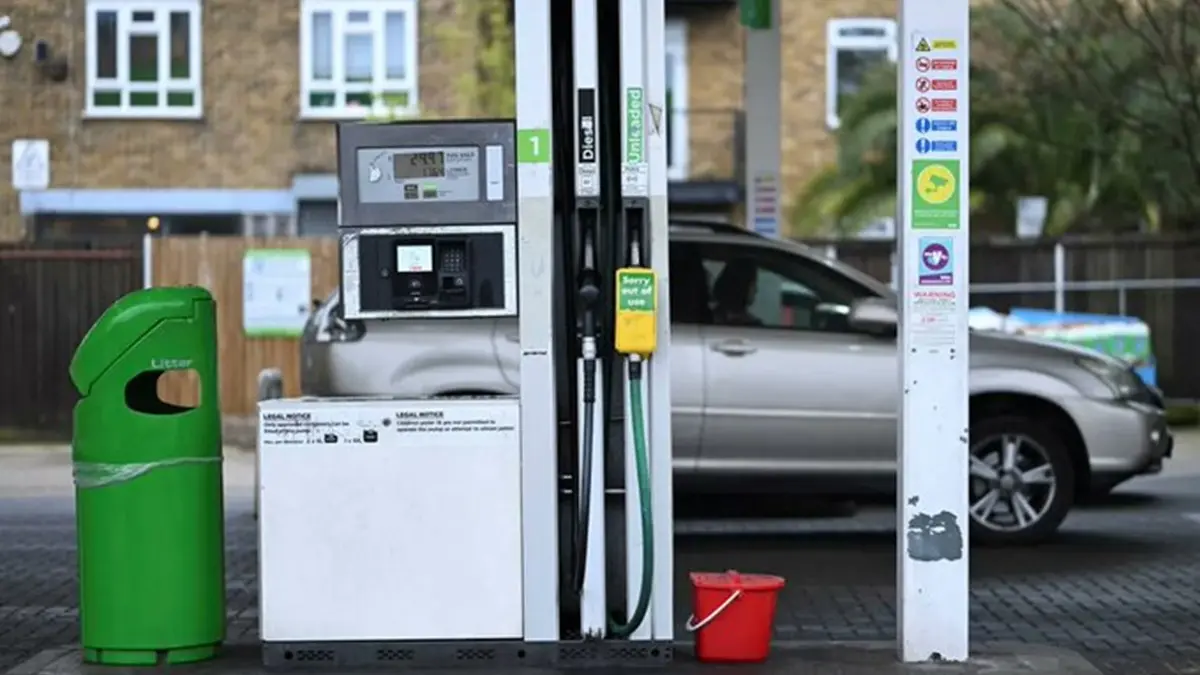
Fuel prices in the United States have risen sharply since the conflict with Iran began in late February. The average gasoline price increased from less than $3 per gallon to $4.55 after the United States and Israel launched their offensive against Iran.
Government reports also showed consumer prices rising in March and April amid growing disruptions in global energy markets.
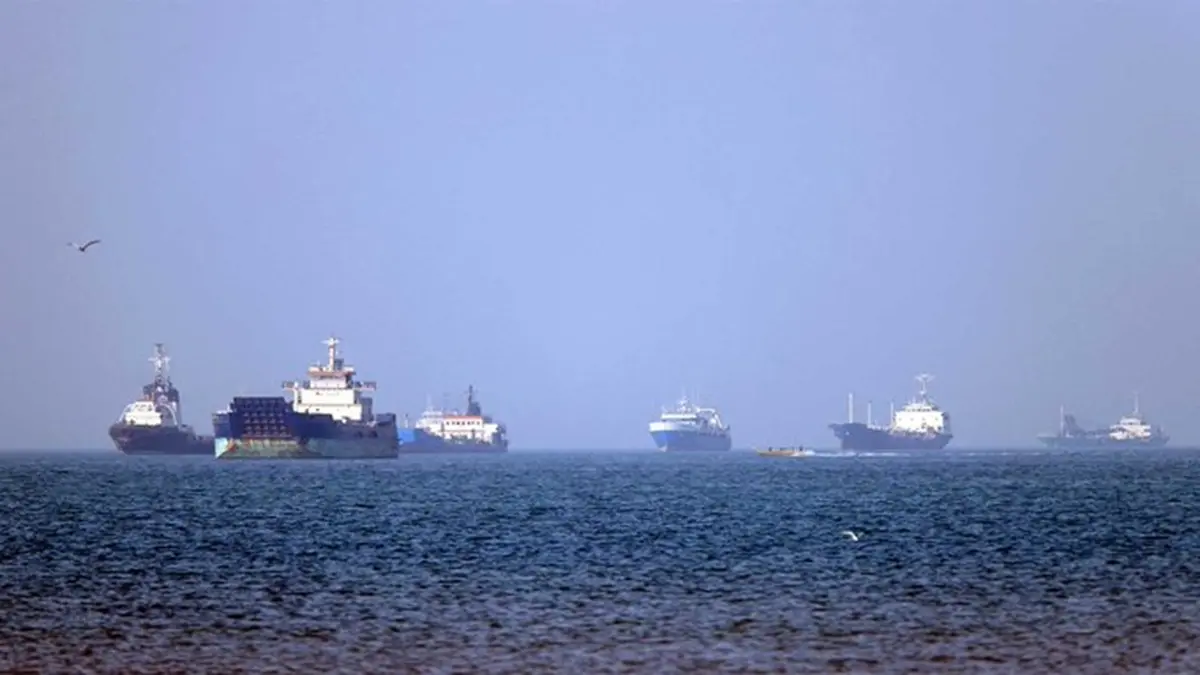
Iran responded to the U.S. and Israeli operation — which killed senior officials, including Supreme Leader Ali Khamenei, along with hundreds of civilians — by closing the Strait of Hormuz, a strategic route for global oil and gas shipments.
Washington also imposed a naval blockade on Iranian ports, further straining international energy supplies. Although a ceasefire was established in April, maritime restrictions remain in place in the absence of a permanent settlement.
Iran has since asserted sovereignty claims over the Strait of Hormuz, which previously functioned as an international transit corridor. Sections of the waterway pass through Iranian and Omani territorial waters.
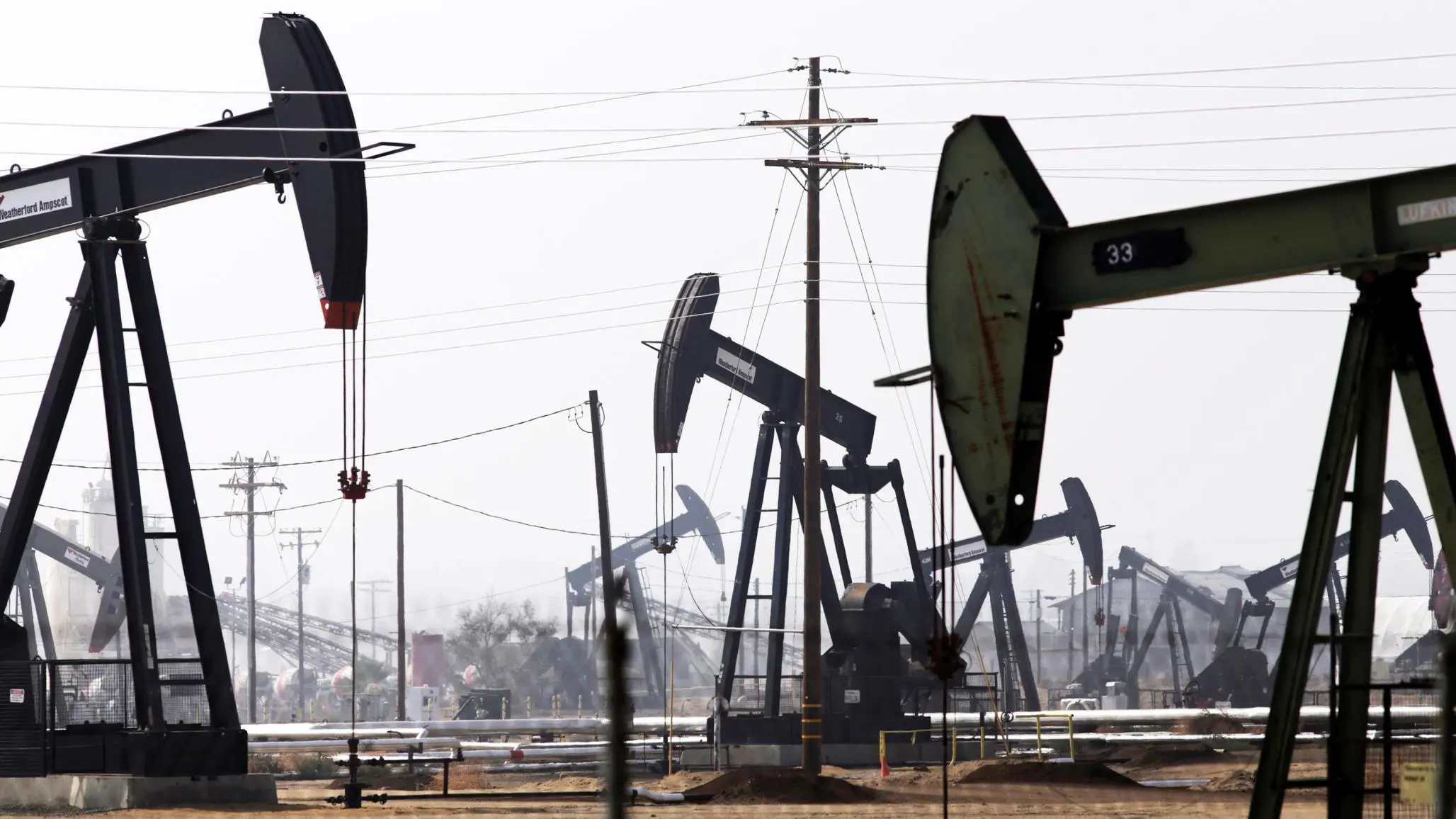
Although the United States is among the world’s largest oil producers, domestic fuel prices remain tied to global energy markets, leaving consumers exposed to international supply disruptions.
Trump campaigned on “America first” policies and pledged to reduce US involvement in foreign conflicts. His administration later joined Israel’s military campaign against Iran, arguing the operation was necessary to prevent Tehran from acquiring nuclear weapons.
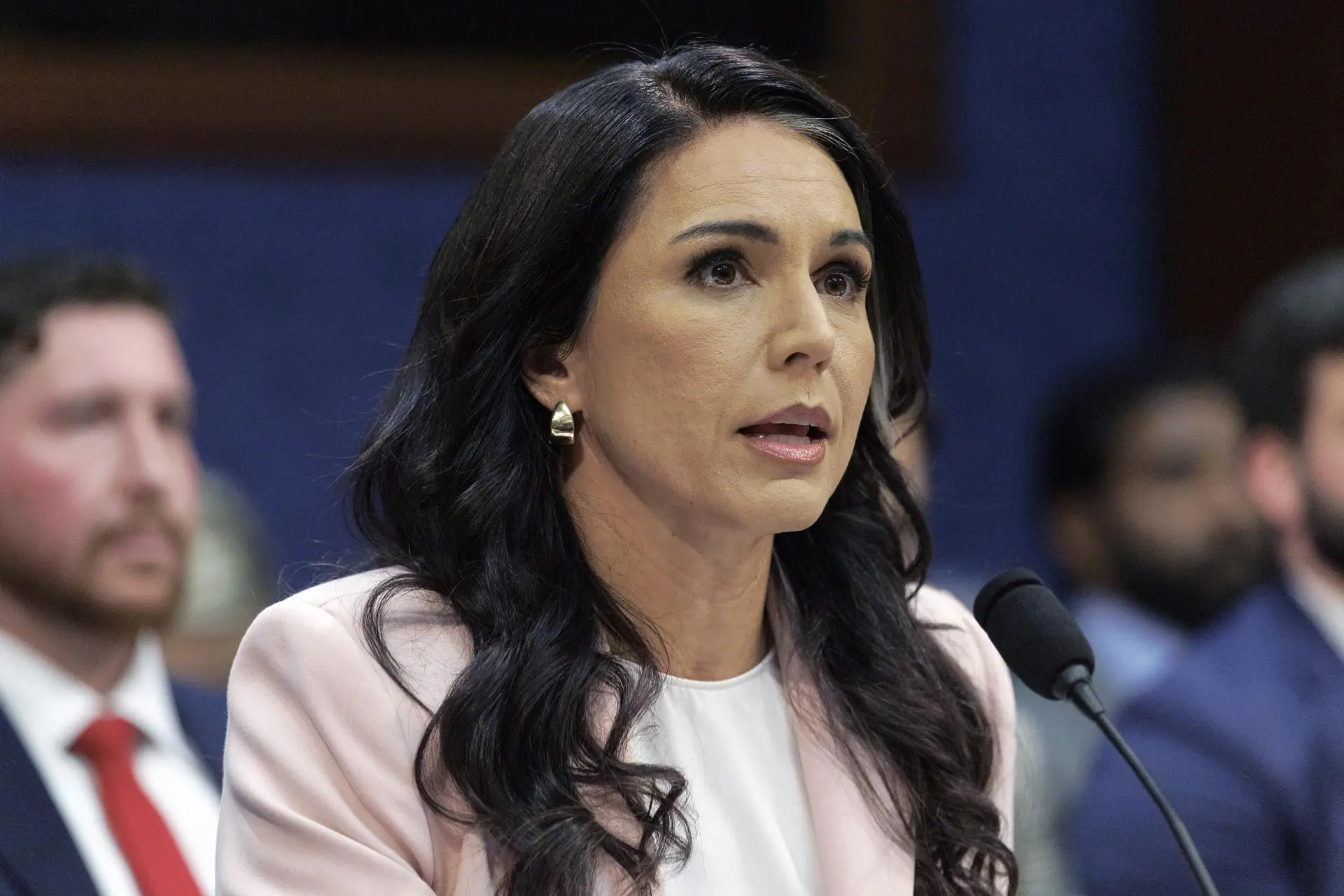
Iran has denied pursuing a nuclear weapons program. Yet U.S. Director of National Intelligence Tulsi Gabbard has said Tehran is not building a nuclear bomb.
Trump has repeatedly defended the economic costs associated with the conflict, arguing that fuel prices will decline once the war ends.
Last month, the U.S. State Department issued a legal justification for Washington’s involvement, stating the military operation was conducted “at the request of and in the collective self-defence of its Israeli ally, as well as in the exercise of the United States’ own inherent right of self-defence”.
The Gallup survey follows a series of unfavorable polls for the administration. A New York Times/Siena poll released earlier this week found that only 31 percent of voters approve of Trump’s handling of the war with Iran.
The remarks come as concerns grow over the domestic economic consequences of the conflict.
“I don’t think about Americans’ financial situation. I don’t think about anybody,” Trump said earlier this month. “I think about one thing: We cannot let Iran have a nuclear weapon. That’s all. That’s the only thing that motivates me.”
Author: MK
Source: Al Jazeera