


Oil Is Not Merely a Resource but Also a Tool of Imperial Power: Paravisini
X/ @The_Oilholic
July 9, 2025 Hour: 1:51 pm
🔗 Comparte este artículo
For more than a century, oil has played a central role in global power struggles, the Venezuelan engineer pointed out.
On Wednesday, on the sidelines of the 9th International Seminar of the Organization of the Petroleum Exporting Countries (OPEC) in Vienna, Venezuelan engineer David Paravisini spoke to teleSUR, offering a historical and geopolitical perspective on oil as a tool of imperial power.
RELATED:
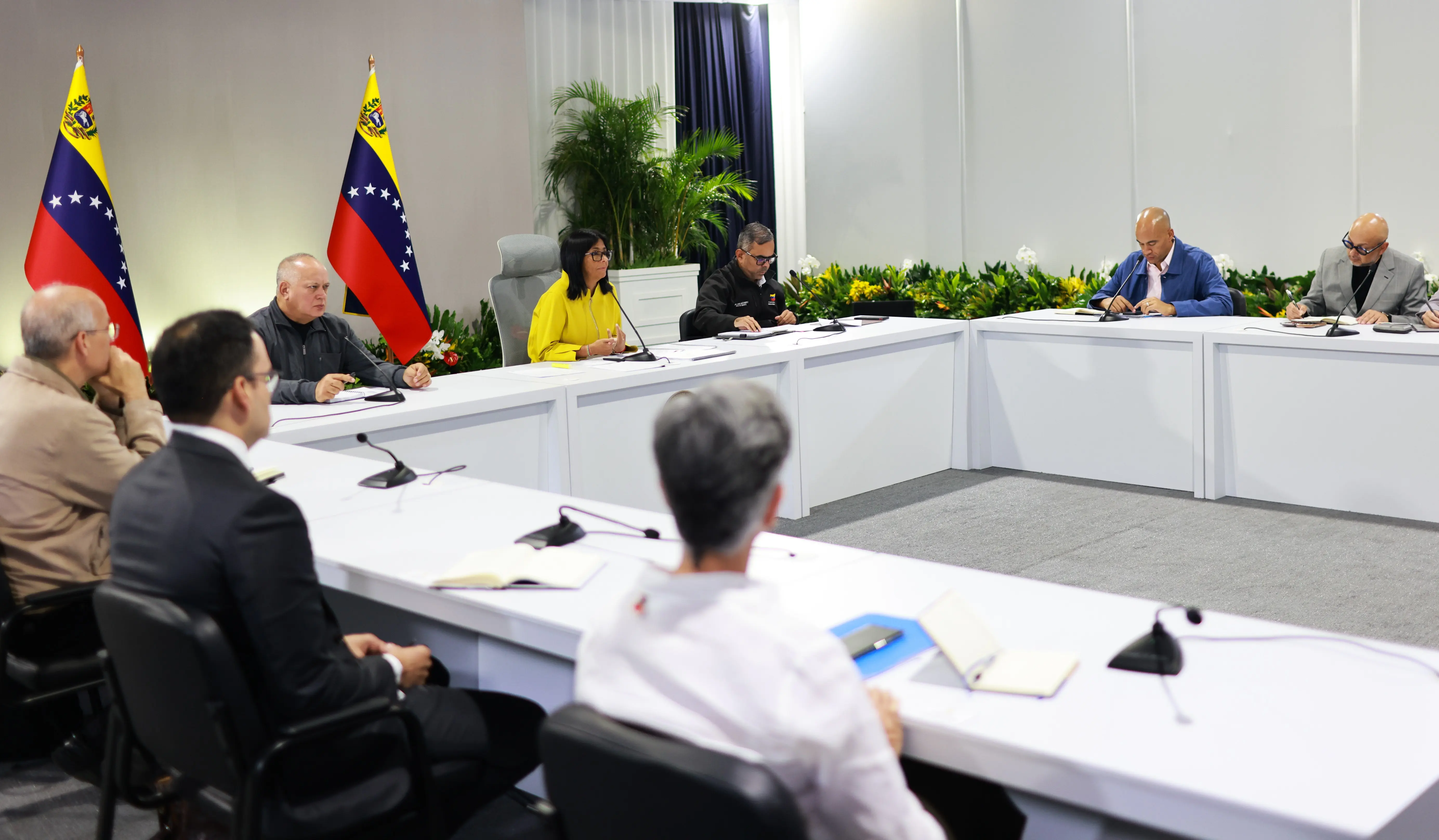
Venezuelan VP Rodriguez Criticizes Sanctions on Oil-Producing Nations at OPEC Forum
Paravisini outlined the role of the United States in dominating the global energy market and praised the resistance of Global South countries, with Venezuela playing a key role in building sovereign alternatives.
He recalled that the 20th century was marked by the near-total control of oil by the United States, from the monopoly of Standard Oil to the imposition of global rules favoring its accumulation model. This clearly demonstrated that crude oil is not merely an energy resource but also an instrument of power.
In contrast to that logic of subordination, the creation of OPEC in 1960 marked a turning point. Venezuela spearheaded a radical shift by increasing its fiscal take from transnational companies, prompting corporate retaliation and mass layoffs. However, that decision marked the beginning of a sovereign energy policy.
Paravisini noted that in 2016, OPEC Plus was established as a collective strategy to counter the rise of U.S. shale oil. He emphasized that the expanded group — which includes countries such as Russia — helped stabilize prices in an increasingly volatile and politicized market.
The Venezuelan engineer also recalled the economic offensive Venezuela endured during the 2014 price crisis, when Saudi Arabia launched an overproduction campaign that drove barrel prices to record lows. Despite U.S.-driven sanctions and external attacks, Venezuela remained committed to OPEC thanks to its historical trajectory.
Paravisini also underscored the full return of Venezuela to OPEC under the leadership of Commander Hugo Chavez as a decisive moment. The Bolivarian Revolution leader broke with the tradition of oligarchic governments that had bowed to external pressure, bringing Venezuela back into the global energy arena and promoting a new vision of Latin American integration.
Natural gas also holds a central place in this agenda. Venezuela has the world’s fourth-largest reserves, but exploitation has been limited by a colonial mindset that prioritized oil, Paravisini said, recalling that Chavez’s 2007 “Gas Revolution” proposed a structural shift that has yet to be fully realized.
Paravisini also addressed the current global energy transition. While renewable sources are gaining ground, he clarified that fossil fuels remain essential for countries like India and China. Within this framework, he stressed that energy access must be considered a human right, as millions of people around the world still live without electricity.
“Environmentalists must not forget that development and energy justice must go hand in hand. Venezuela, despite blockades and technical limitations, is called to guarantee energy access with sovereignty and long-term vision,” he said, and concluded by stating that OPEC remains a key player in ensuring the stability of the global energy system.
“In a world shaken by wars, sanctions and fierce competition, OPEC has demonstrated its capacity for dialogue and cohesion — with Venezuela as a respected and strategic member,” Paravasini stressed.
teleSUR/ JF
Source: teleSUR