Venezuela Defends Essequibo Claim at Hague Court
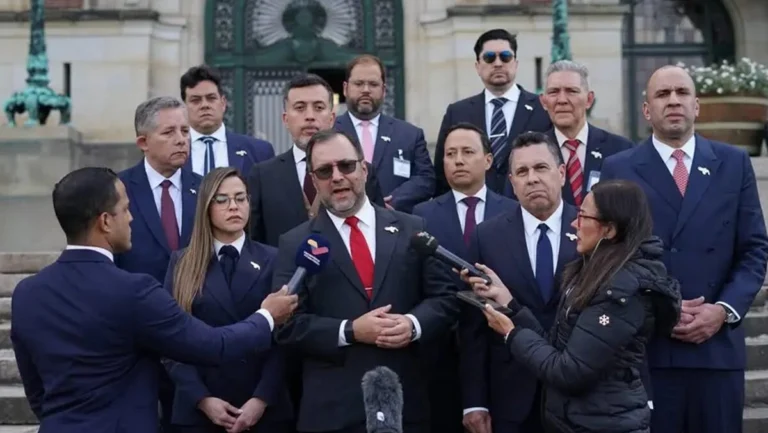
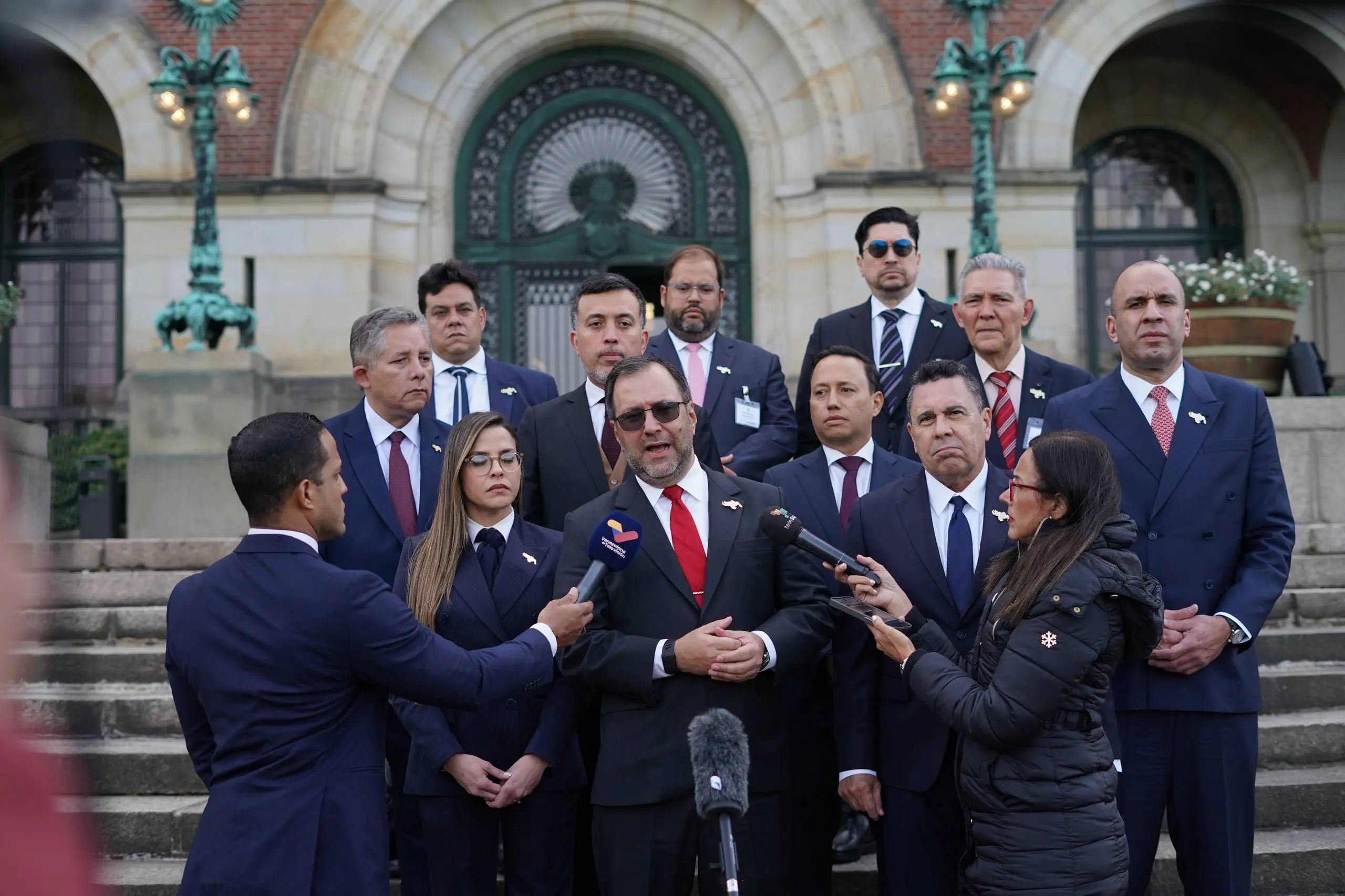
Venezuelan FM Yvan Gil (C), May 6, 2026. Photo: VFM
May 6, 2026 Hour: 1:35 pm
🔗 Comparte este artículo
The 1966 Geneva Agreement is sole legal path to resolve territorial dispute with Guyana.
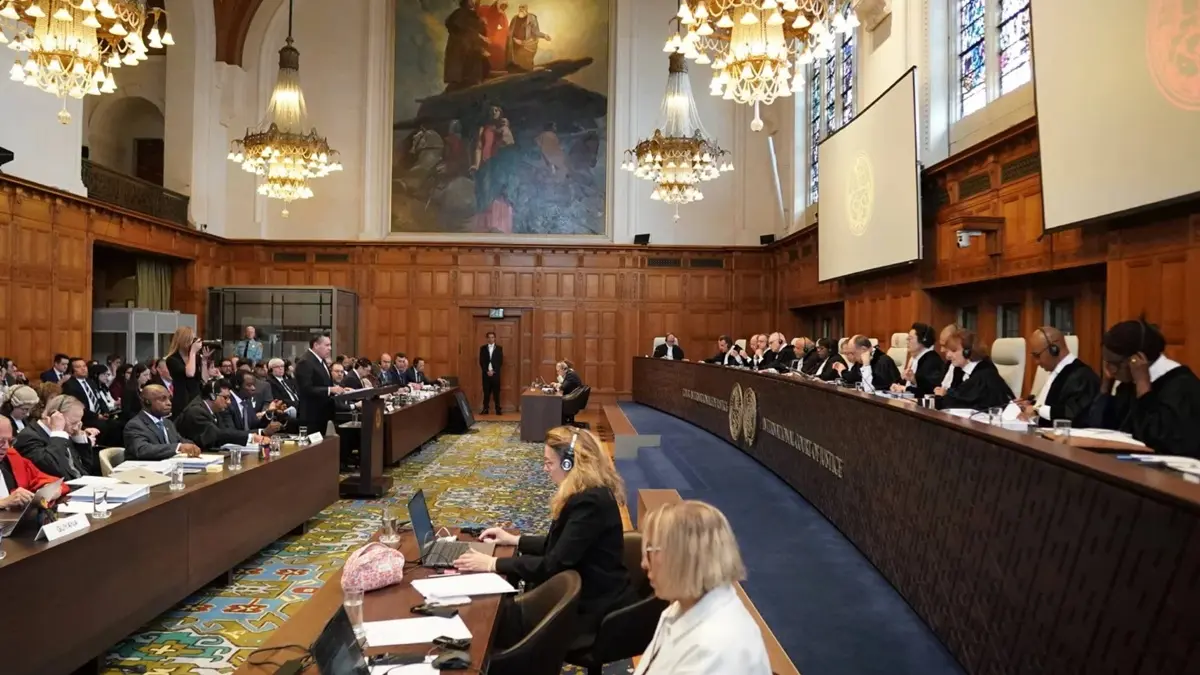
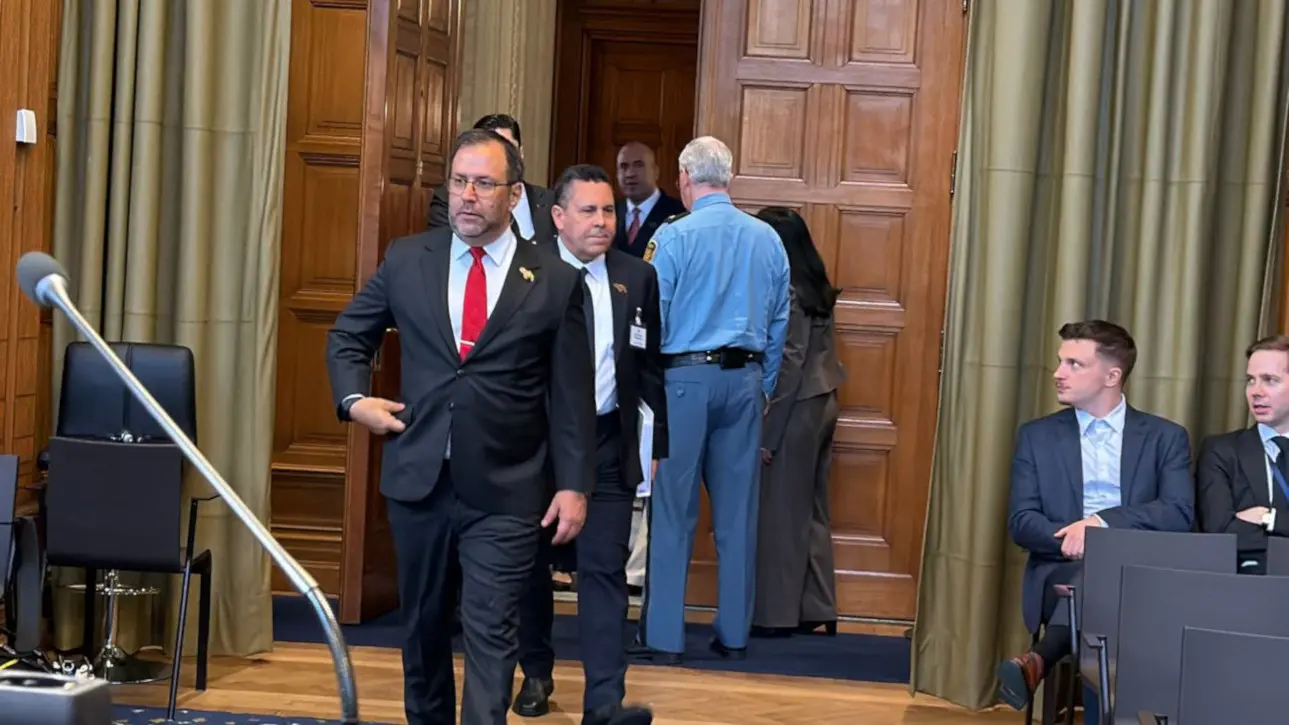
On Wednesday, Venezuelan diplomats appeared before the International Court of Justice (ICJ) to defend their nation’s position in a territorial dispute with Guyana over the Essequibo region.
RELATED:
The Hague Court Has No Jurisdiction in the Essequibo Dispute: Venezuela
“The world, Latin America, and Venezuela will hear our truth and the reasons why Essequibo is Venezuelan territory,” Foreign Affairs Minister Yvan Gil said, adding that the only way to resolve the dispute is the 1966 Geneva Agreement.
Over six hours, Venezuela’s legal team are expected to present arguments before 15 judges. The oral hearing began with diplomat Samuel Moncada, who said the delegation’s presence seeks to prevent Guyana from unilaterally redefining the nature of the territorial dispute.
Moncada said Venezuela cannot remain silent in the face of the Guyanese attempt to fraudulently transform binding obligations between the two states.
“Guyana seeks to unilaterally redefine both the nature of the territorial controversy and the scope of the obligations binding Venezuela and Guyana under the Geneva Agreement,” Moncada said, denouncing Guyana’s erroneous and misleading narrative.
The Presidential Commission for the Defense of Guayana Esequiba has promoted the Geneva Agreement as an essential decolonization instrument and as the only valid accord. Venezuela said the 1899 arbitral award issued in Paris is void because it was issued while the nation faced political destabilization.
At the time, the ruling stripped the country of 159,000 square kilometers without allowing Venezuelan representatives to be present and ignoring the principle of “Uti Possidetis Juris,” which had affirmed Venezuelan sovereignty since 1811.
In international law, the “As You Possess According to Law, You Shall Possess” principle states that newly formed sovereign states should retain the same territorial borders they had as administrative divisions under colonial rule or prior lawful authority.
The Venezuelan representatives said the political collusion behind that Paris ruling was confirmed in 1949 by the Severo Mallet-Prevost memorandum, a fact that later forced the signing of the Geneva Agreement before Guyana’s independence.
In this context, Venezuelan lawmaker and historian Juan Romero said the Venezuelan delegation’s appearance before the Hague Court occurs amid unprecedented popular mobilization. Currently, knowledge about Venezuela’s sovereign rights over the Essequibo has moved beyond experts to become a national cause, which he called a fundamental pillar supporting the country’s legal and political arguments.
Romero said Venezuela’s participation in the oral hearings is meant to protect historic rights, though he clarified that this does not imply recognizing the ICJ’s jurisdiction to resolve the Essequibo dispute. He said Guyana unilaterally went to the Hague Court in 2014, breaking the court’s statute requiring both parties’ consent and violating the 1966 Geneva Agreement.
“One of the great achievements of the Bolivarian Revolution is the democratization of memory … today a community leader or a bus driver knows several things that 25 years ago were known only to experts,” Romero said.
He also warned that Guyana tries to hide the nullity of the 1899 Paris award and the colonial Schomburgk Line boundary, basing its stance on documents from 1814 and 1835 linked to British interests.
Romero said Venezuela holds solid titles dating back to the Treaty of Tordesillas and the Uti Possidetis Juris principle, which are backed by the Venezuelan people after the 2023 consultative referendum.
teleSUR/ JF
Source: VFM – teleSUR