


100 Million: Powerful World Cup Education Fund Launched for 2026
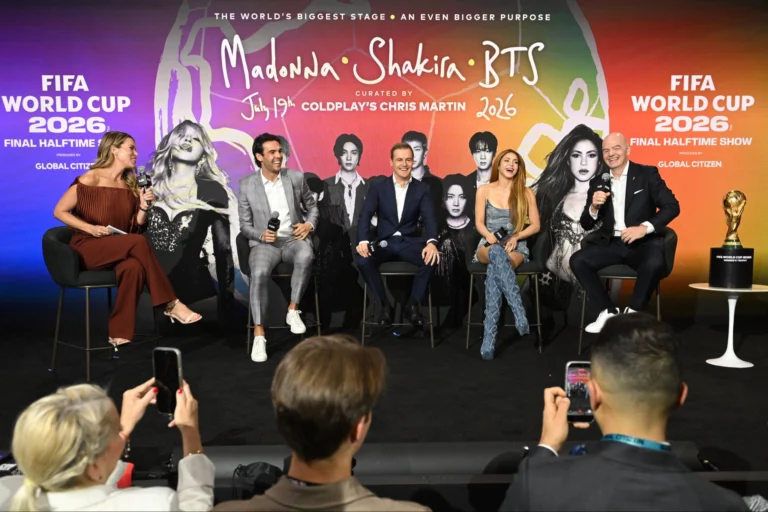
Global Citizen and FIFA join forces to create a World Cup education fund benefiting vulnerable children worldwide.
May 16, 2026 Hour: 4:41 pm
🔗 Comparte este artículo
Global Citizen and FIFA have unveiled a $100 million World Cup education fund tied to the historic 2026 halftime show featuring Shakira, Madonna, and BTS. The initiative aims to transform the tournament’s global reach into concrete support for children’s education.
Related: Mbappé Leads France’s 26-Player Squad for FIFA World Cup 2026
Historic World Cup Education Fund Unveiled
New York, May 16, 2026 — Global Citizen and FIFA have launched an ambitious World Cup education fund aimed at raising $100 million to support education and sports programs for children in vulnerable communities. The initiative is linked to the first-ever halftime show at the FIFA World Cup 2026 final on July 19.
The fund has already secured $47 million through corporate donations and artist contributions. Colombian superstar Shakira, a key ambassador for the project, has pledged all proceeds from her new album and one dollar from each ticket of her upcoming tour to the cause.
The World Cup education fund will provide grants ranging from $50,000 to $250,000 to community organizations working directly in underserved areas. Organizers hope to harness the tournament’s massive global audience to drive meaningful social impact.
The halftime performance will feature an impressive lineup including Shakira, Madonna, BTS, and Coldplay’s Chris Martin, who is also involved in production. Shakira and Burna Boy perform the official tournament song “Dai Dai.”
Ambitious Goals and Artist Commitment
Shakira emphasized the importance of using the platform for more than entertainment. During the Global Citizen NOW summit in New York, she stated that the world must use this global event to address one of humanity’s most pressing issues: children’s education.
The World Cup education fund seeks to advance the United Nations Sustainable Development Goals, particularly those related to quality education and reduced inequalities. Organizers describe the initiative as a way to leave a positive legacy beyond the pitch.
Global Citizen founder Hugh Evans highlighted the unique power of football to unite people and mobilize resources for social good on an unprecedented scale.
Official Global Citizen announcement on the FIFA partnership: globalcitizen.org.
World Cup Education Fund Faces Scrutiny Amid Tournament Controversies
While the World Cup education fund has been widely praised for its humanitarian goals, the initiative has also sparked debate. Critics point to the high cost of match tickets, which often reach thousands of dollars, making the event largely inaccessible to average fans and working-class communities.
Questions have also arisen regarding FIFA’s broader partnerships, including sponsorship deals with sovereign wealth funds and diplomatic alignments. Human rights organizations have raised concerns about whether these relationships align with the message of fighting poverty and promoting equality.
Despite the criticism, organizers maintain a pragmatic approach. They argue that the World Cup education fund represents a concrete way to channel the tournament’s commercial success into tangible benefits for children worldwide.
FIFA sustainability and legacy reports: fifa.com.
Geopolitical Context and Broader Regional Implications
The launch of the World Cup education fund occurs within a complex global environment where major sporting events increasingly intersect with politics, economics, and social justice debates. As the 2026 World Cup will be hosted across the United States, Canada, and Mexico, it becomes a significant platform not only for athletic competition but also for discussions about inequality, migration, and development in the Americas.
For Latin America, the involvement of artists like Shakira and the focus on education carries special resonance in a region still recovering from economic challenges and the long-term effects of the COVID-19 pandemic on schooling. The initiative highlights the potential of South-South and North-South collaboration in addressing structural inequalities through cultural diplomacy and sports.
On a wider scale, this project reflects growing expectations that powerful international organizations and corporations should contribute more directly to global development goals. It also demonstrates how popular culture and mass entertainment can be leveraged to support the UN Sustainable Development Agenda. Success of the World Cup education fund could set a precedent for future major sporting events to integrate meaningful social impact programs, potentially influencing how future Olympics, World Cups, and other global spectacles balance commercial interests with humanitarian responsibilities.
Author: JMVR
Source: Agencias