


WHO Alerts of Ebola Outbreak in Africa, Declared International Emergency
May 17, 2026 Hour: 11:55 am
🔗 Comparte este artículo
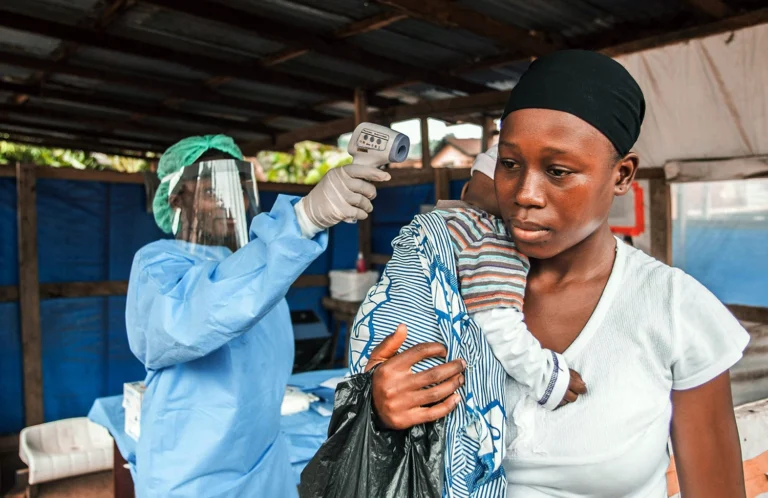
The World Health Organization (WHO) said this Sunday that it fears a regional export of the Ebola outbreak in a border province in the east of the Democratic Republic of Congo (DRC), which today has been declared a public health emergency of international concern.
Rwanda Closes Border Crossings With DR Congo Due Ebola Outbreak Advance: WHO Alerts of Ebola Outbreak in Africa, Declared International EmergencyAccording to the public health agency, the outbreak has caused 88 deaths so far.
“The role of Ituri (the province where the outbreak began) as a commercial and migratory center increases the risk of regional export of the outbreak. The proximity to Uganda and South Sudan increases the risk of cross-border transmission,” the organization noted.
It indicated that to avoid this, screening at border posts must be immediately reinforced, as well as coordination and information exchange between countries.
The WHO stressed that this outbreak occurs in a very complex epidemiological and humanitarian context, with an ongoing armed conflict in Ituri that limits the deployment of health teams for surveillance and rapid response, as well as the safe transport of laboratory samples.
Contact tracing is also complicated due to difficult access and high mobility of populations, which increases the risk that high-risk contacts will be lost during follow-up or never identified.
Humanitarian needs in the area are considered extreme, with more than 273,403 people displaced in Ituri and 1.9 million people in need of assistance, according to the United Nations.
Between January and March alone, 32,600 new displaced persons and 30,200 returnees were registered, figures that speak for themselves about the high mobility forced by the conflict in the region and which is added to the transit of people around mining activity in the area.
On the other hand, the WHO has pointed out that the four-week interval between the onset of symptoms of the presumed first case (around April 25) and the laboratory confirmation of the outbreak (May 14) suggests a low rate of clinical suspicion among health professionals, four of whom died.
“This highlights critical failures in infection prevention and control protocols,” the organization emphasized.
It added that the large number of deaths in the community would be related in many cases to unsafe burial practices.
Source: EFE