


Rwanda Closes Border Crossings With DR Congo Due Ebola Outbreak Advance
May 17, 2026 Hour: 10:21 am
🔗 Comparte este artículo
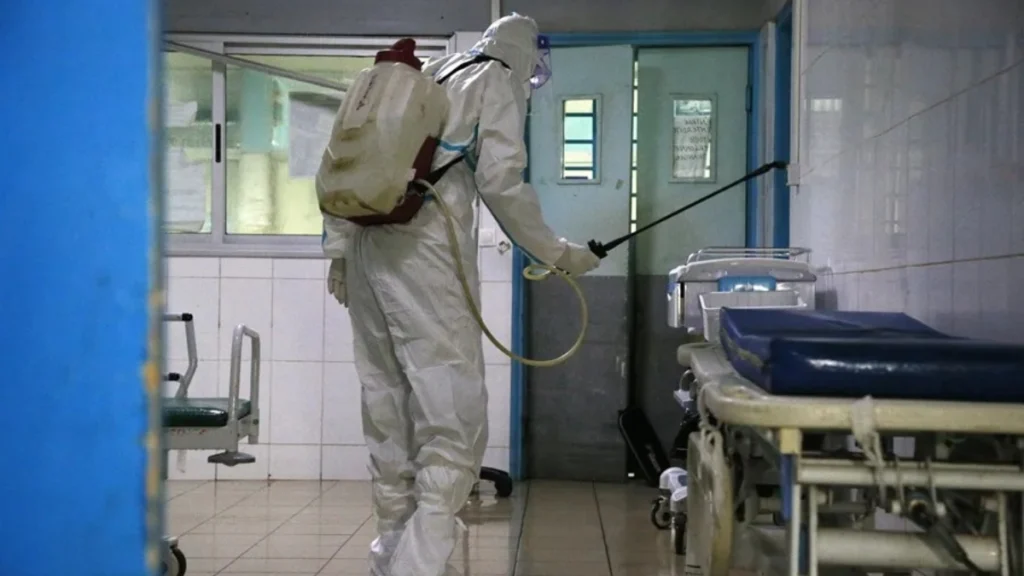
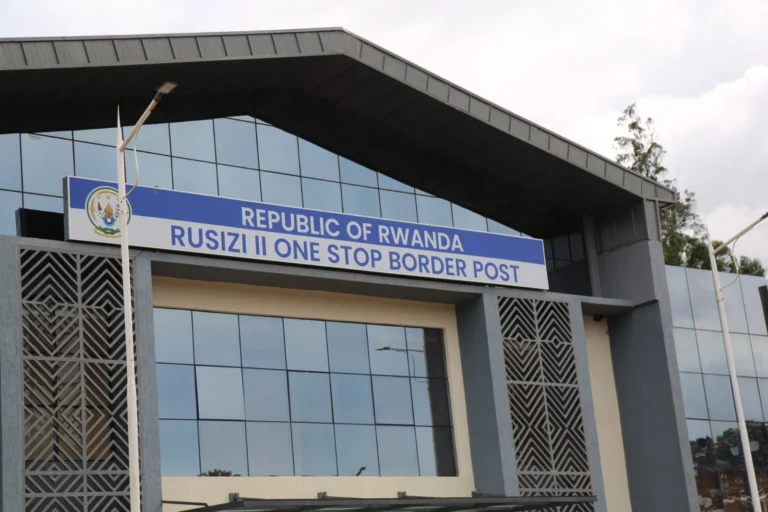
Rwanda closed its border with the Democratic Republic of Congo (DRC) this Sunday following the appearance of the Bundibugyo strain of the Ebola virus in eastern Congo, the mayor of the Rubavu district reported.
88 Dead as Cross-Border Ebola Outbreak Worsens in DRC and Uganda: Rwanda Closes Border Crossings With DR Congo Due Ebola Outbreak AdvanceThe closure took effect this morning and restricts cross-border transit for work reasons, although people stranded on both sides of the border will be allowed to return to their respective homes.
Mulindwa added that hygiene measures and public awareness campaigns are being intensified, and urged residents to report anyone showing symptoms of the disease.
This measure came after the confirmation of an Ebola case in Goma, the capital of the Congolese province of North Kivu, which borders Rwanda.
Health authorities reported that the patient was the wife of a man who died from Ebola in Bunia, Ituri province, the epicenter of the outbreak.
Rubavu and Goma record more than 50,000 daily crossings linked to trade and citizen transit, making it one of the busiest land border crossings in the region.
The DRC is also Rwanda’s second-largest export market, valued at approximately $229.5 million (approximately €197.3 million) annually.
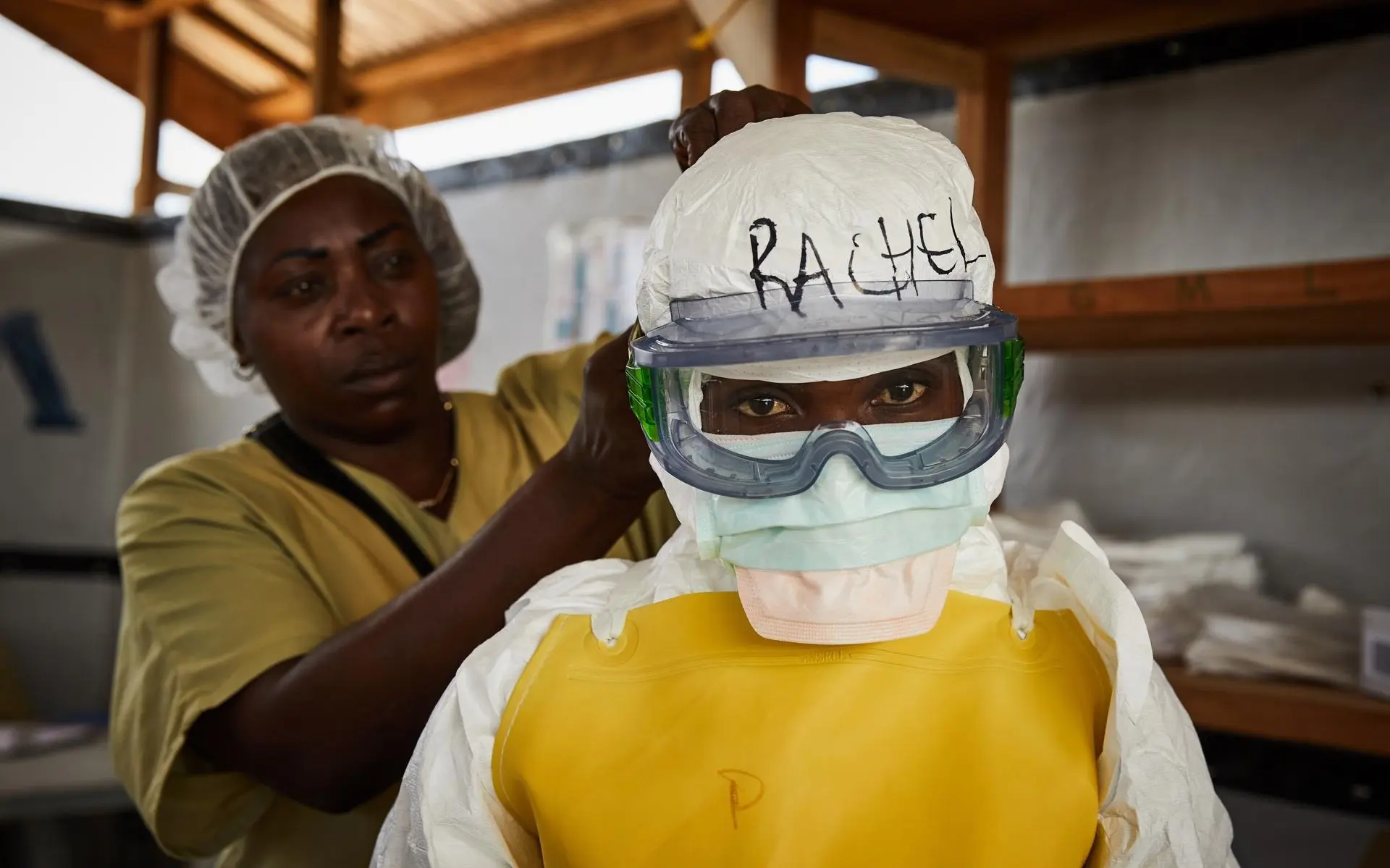
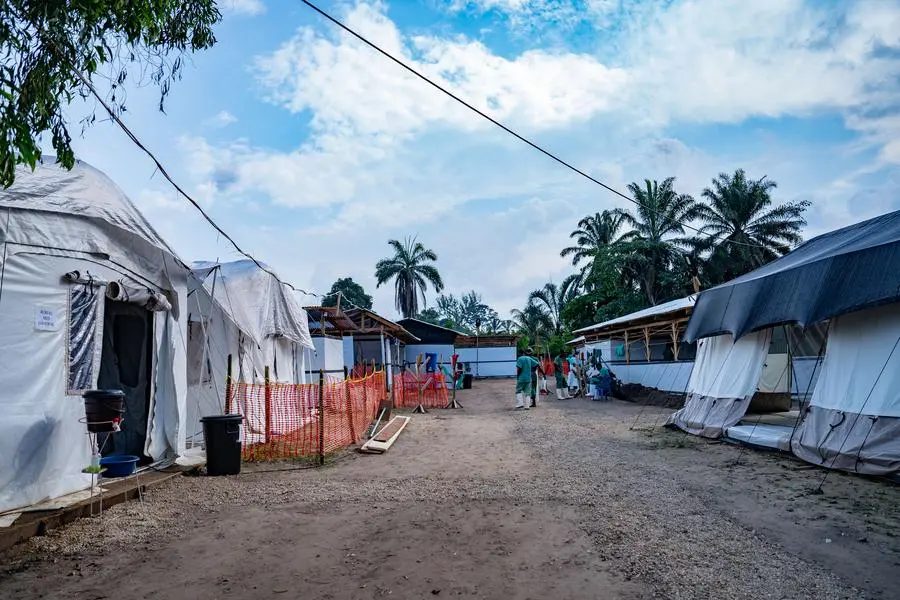
According to the African Union (AU) health agency, the first cases of Ebola broke out at the end of April, causing at least 88 deaths and 336 suspected cases in eastern Congo and the border with Uganda.
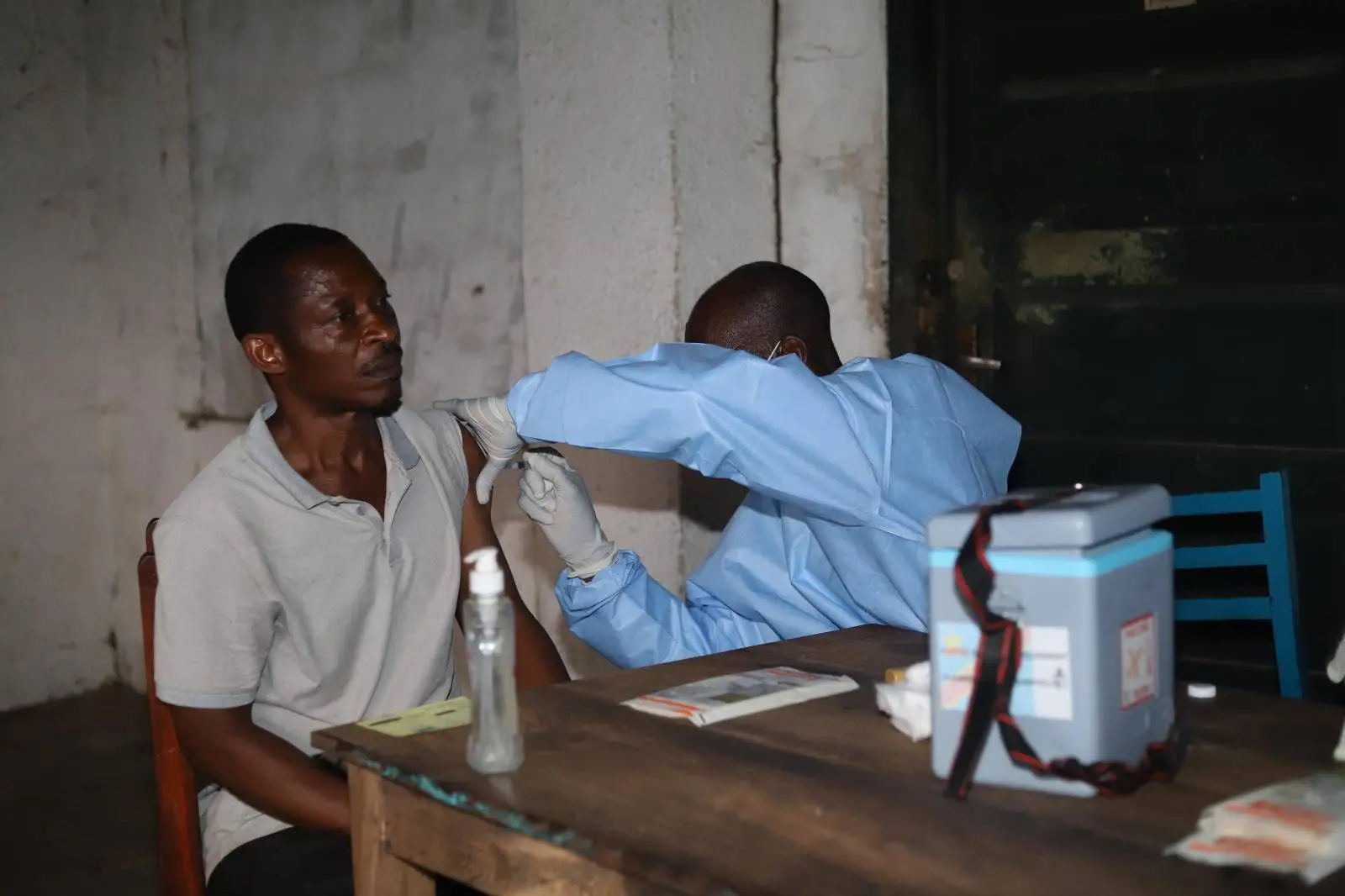
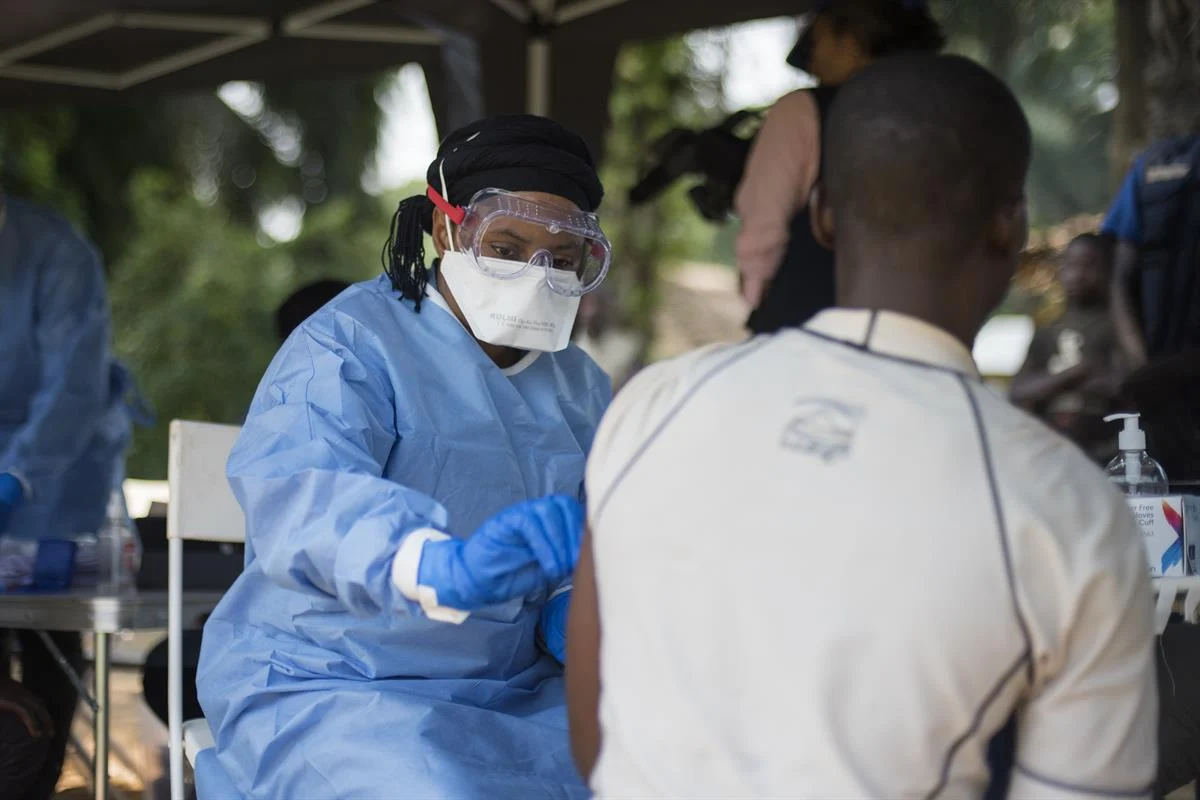
There is no approved vaccine or specific antiviral treatment, so early detection, isolation, and contact tracing are essential to control its spread.
This crisis constitutes the seventeenth outbreak recorded in the country since the virus was first detected in 1976.
It is transmitted through direct contact with the bodily fluids of infected people or animals and causes severe hemorrhagic fever, fever, vomiting, diarrhea, and internal bleeding, and according to the WHO, it has a mortality rate of between 60% and 80%.
Source: EFE