


W.H.O. Raises Ebola Epidemic Risk in Uganda, DR Congo
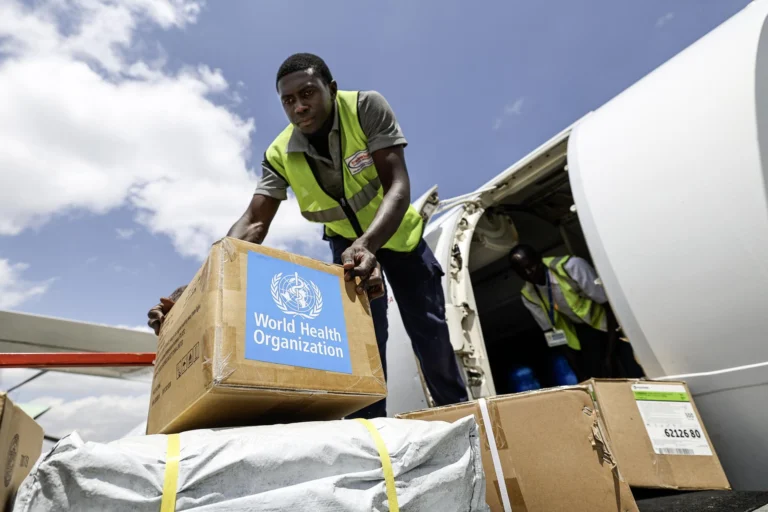
W.H.O. strengthens surveillance in Africa on the high risk of Ebola spread in the Democratic Republic of Congo and Uganda. Photo: EFE.
May 20, 2026 Hour: 5:45 pm
🔗 Comparte este artículo
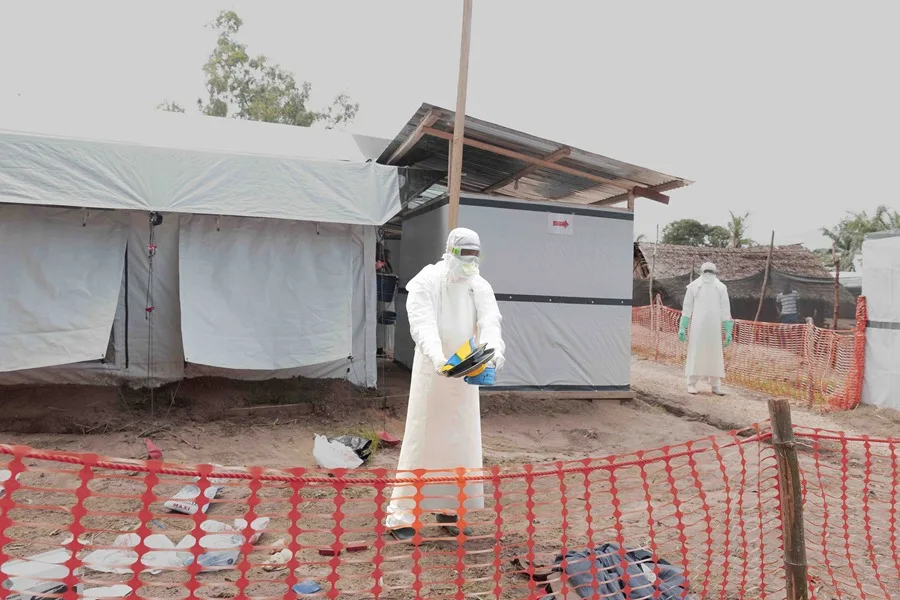
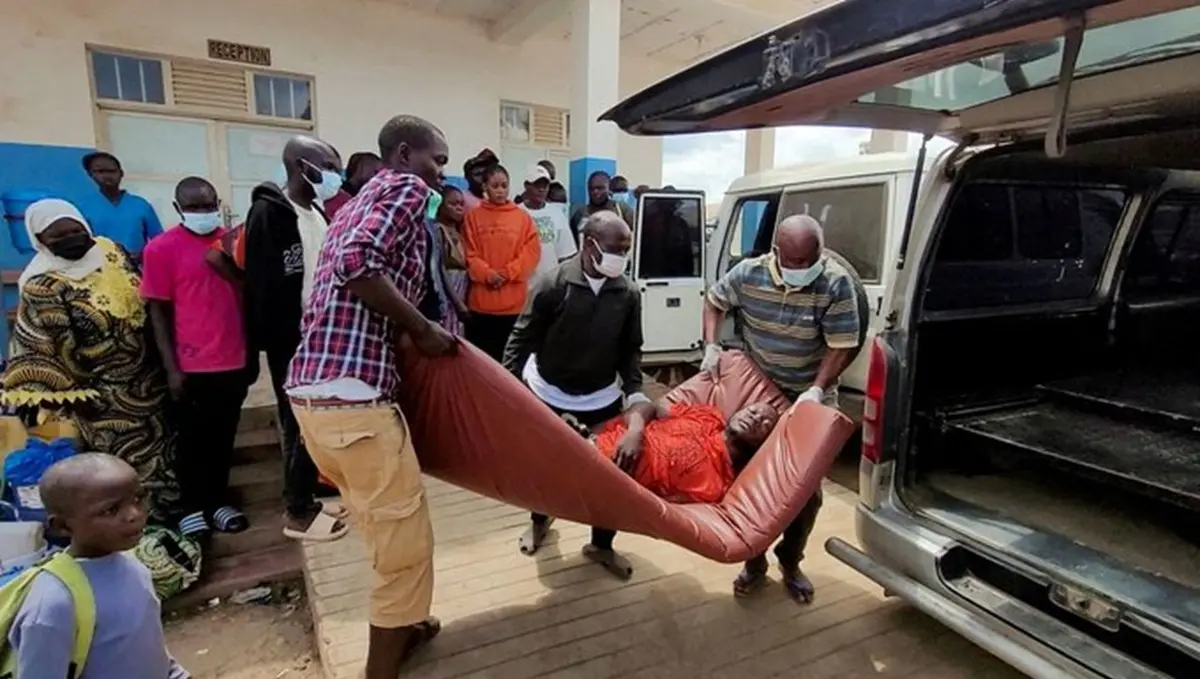
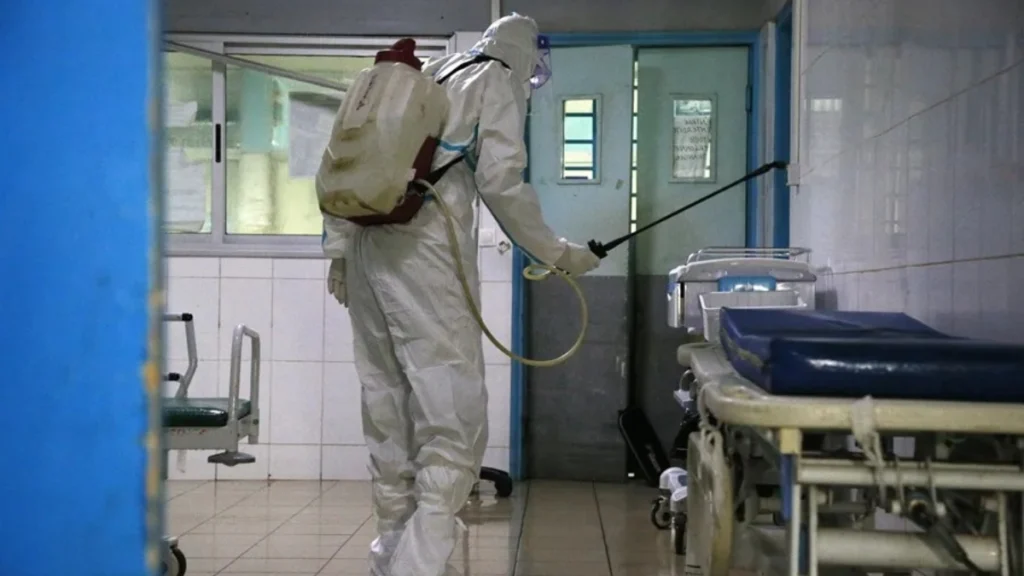
W.H.O. this Wednesday elevated the Ebola epidemic impacting Uganda and the Democratic Republic of Congo to a high-risk level, following nearly 600 suspected cases and 139 suspected deaths that could escalate in the coming days.
This declaration, made after consultations with health officials from Uganda and Democratic Republic of Congo, underscores the critical need for immediate and concerted action to contain the spread of the deadly virus and safeguard public health across the region.
The Director-General of the World Health Organization, Tedros Adhanom, clarified that while the situation is of extreme concern, it does not yet classify as a pandemic emergency, which is the highest category under international health regulations.
RELATED: W.H.O. Warns Of Rapid Ebola Spread in DR Congo Outbreak Crisis
“The situation constitutes a public health emergency of international concern, but not a pandemic emergency“, the W.H.O. Chief stated. This distinction emphasizes the severity of the localized outbreak and the potential for wider regional destabilization without prompt intervention, highlighting the urgent need for a coordinated global response focused on containment and support for the affected African nations.
In the Democratic Republic of Congo (DRC), a total of 51 confirmed cases have been reported, primarily concentrated in the provinces of Ituri and North Kivu, including the urban centers of Bunia and Goma.
The W.H.O. issued a stark warning that the actual scale of this Ebola outbreak could be significantly larger than currently reported. This concern stems from observations suggesting that the virus had likely been circulating undetected for some time before being officially identified by local health authorities, posing a considerable challenge for contact tracing and containment efforts.
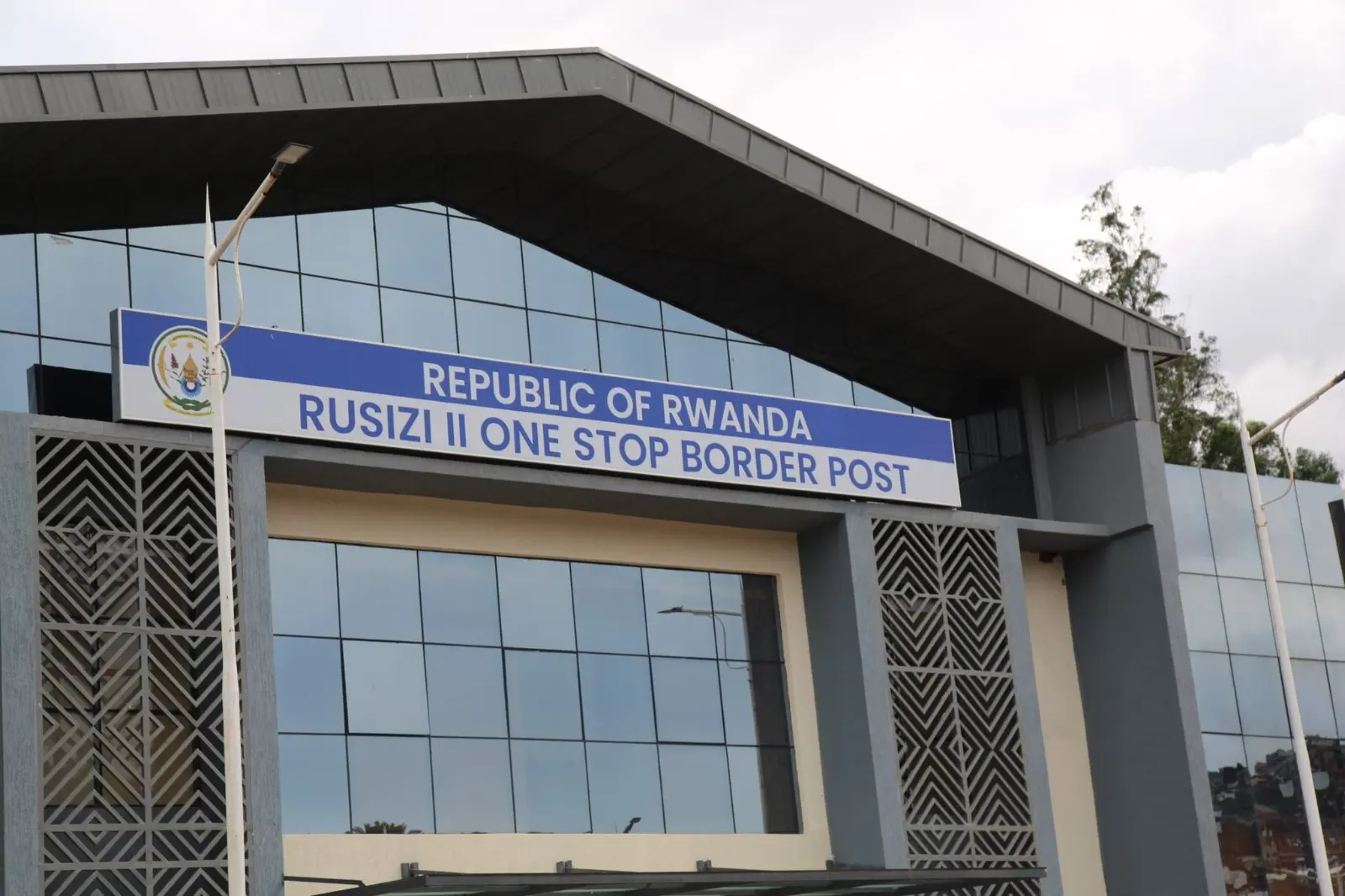
Concurrently, Uganda has informed the W.H..O of two confirmed cases in its capital, Kampala, including one fatality. Both individuals had a travel history from the DRC, directly linking the outbreaks.
Adding to the complexity situation, a United States citizen working in the DRC also tested positive for Ebola and has since been transferred to Germany for specialized medical treatment. These cross-border transmissions underscore the highly mobile nature of the region’s population and the inherent difficulties in controlling the virus’s spread in densely populated and interconnected areas.
The W.H.O. Director-General further reported an alarming figure of nearly 600 suspected cases and 139 suspected deaths attributed to the Ebola virus, warning that these numbers are expected to increase in the coming days as surveillance and testing capacities improve. This rising toll reflects the rapid and aggressive nature of the disease, which poses a severe threat to public health systems already stretched thin in these regions, emphasizing the need for robust international support and resource allocation.
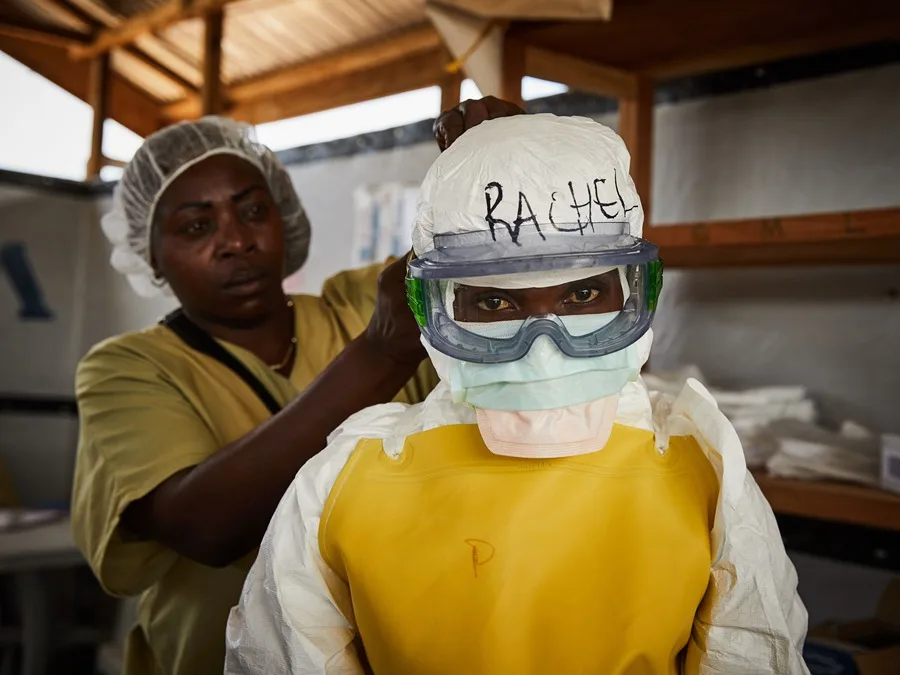
Tedros Adhanom also highlighted the tragic loss of health workers due to the Ebola infection. This critical detail points to transmission associated with healthcare settings, a common challenge in Ebola outbreaks, compounded by high population mobility in Ituri and escalating insecurity due to conflict in the area since late 2025.
The Director-General reiterated that the gravity of the situation demands urgent measures to halt the virus’s propagation and save lives. He confirmed that the W.H.O. already has teams on the ground, actively supporting national authorities. Furthermore, the organization has deployed additional personnel, essential supplies, specialized equipment and funds to bolster the response capabilities, demonstrating a robust commitment to assisting these affected nations in their fight against the deadly disease.
In a concrete move, the W.H.O. announced the approval of an additional 3.4 million dollars from its Contingency Fund for Emergencies, bringing the total support allocated to 3.9 million dollars. This vital financial injection aims to accelerate the response capacity in key areas such as epidemiological surveillance, laboratory diagnostics, infection control and the comprehensive care of suspected cases.
Specialists from the W.H.O. have emphasized a significant challenge: for the specific Bundibugyo strain of Ebola identified in this outbreak, there are currently no approved vaccines or treatments available. This lack of specific medical interventions underscores the critical importance of non-pharmaceutical interventions such as rapid diagnosis, isolation of infected individuals, and rigorous infection control protocols to break chains of transmission and prevent further escalation of this high-risk epidemic in Uganda and the DRC.
Author: Laura V. Mor
Source: Agencies