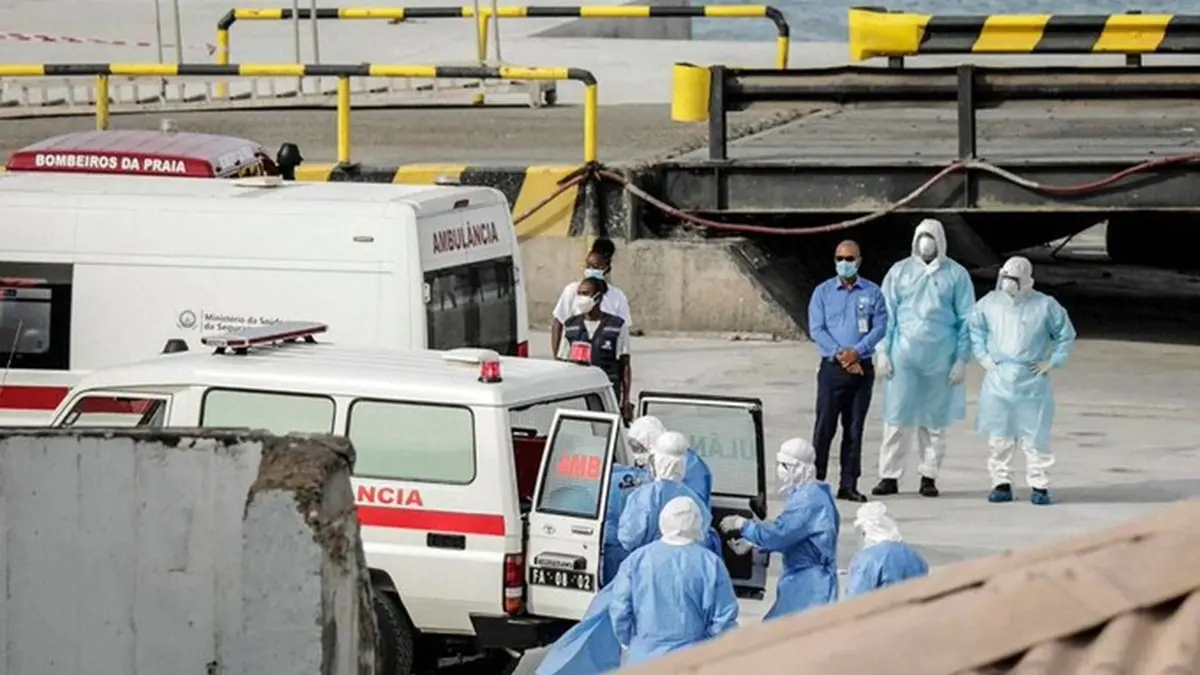



DRC Ebola Outbreak Reaches 116 Deaths as Spread Widens
Ebola outbreak in eastern DRC reports 116 suspected deaths as the virus spreads to new provinces and triggers emergency response measures.
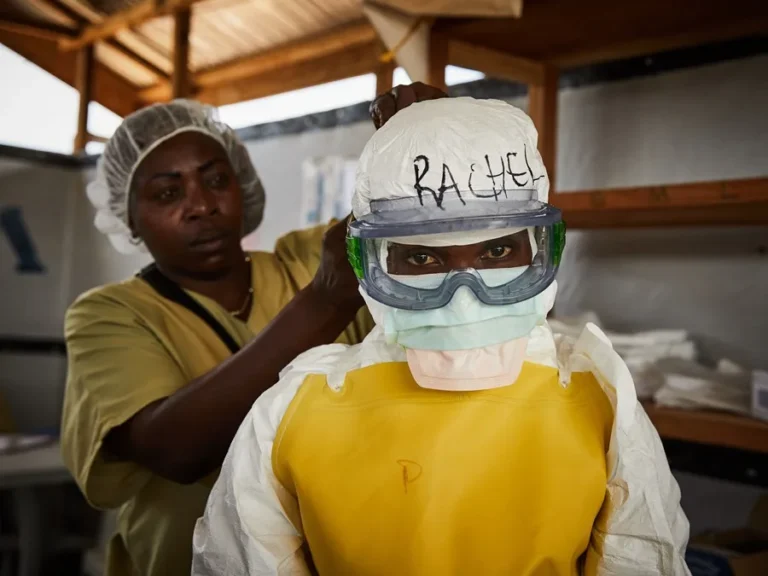
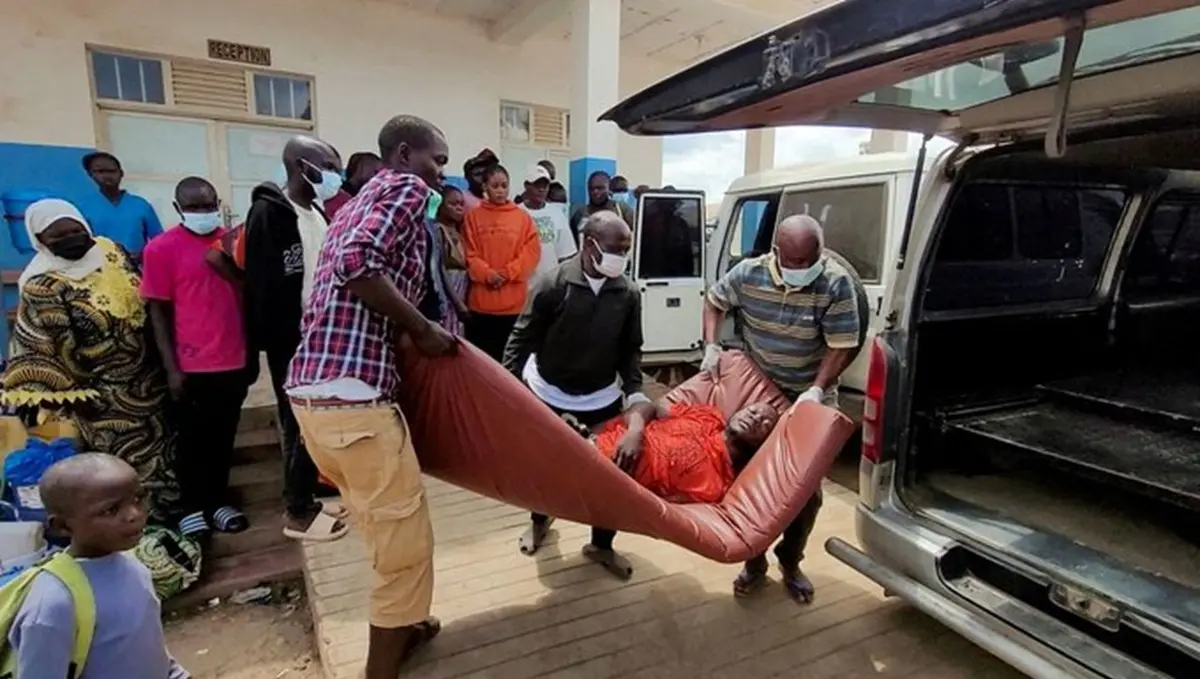
Health teams deploy medical supplies and response operations as Ebola cases are reported in eastern Democratic Republic of the Congo. Photo: EFE
May 19, 2026 Hour: 4:40 am
🔗 Comparte este artículo
Ebola outbreak in eastern DRC expands to new localities in Ituri and North Kivu, prompting national emergency and WHO international alert.
The Government of the Democratic Republic of the Congo has reported 116 suspected deaths linked to an Ebola outbreak first declared on Friday in Ituri province, as infections spread to additional areas in the country’s east.
RELATED: Congolese Virologist Urges Stronger Surveillance as Ebola Outbreak Spreads
Government spokesperson and Minister of Communication and Media Patrick Muyaya confirmed that the deaths have been recorded since the outbreak was declared. He warned that the spread to new geographic areas raises concern due to the potential for wider transmission in densely populated regions with high population movement.
New cases have been identified in Katwa, in North Kivu province, and in Nyankunde, in Ituri, indicating that the outbreak has extended beyond its initial zone.
Muyaya said epidemiological surveillance, case management, and community awareness campaigns are being accelerated to contain transmission. He urged the public to comply strictly with health guidance, including frequent handwashing and avoiding contact with dead animals and human remains.
Response and international measures
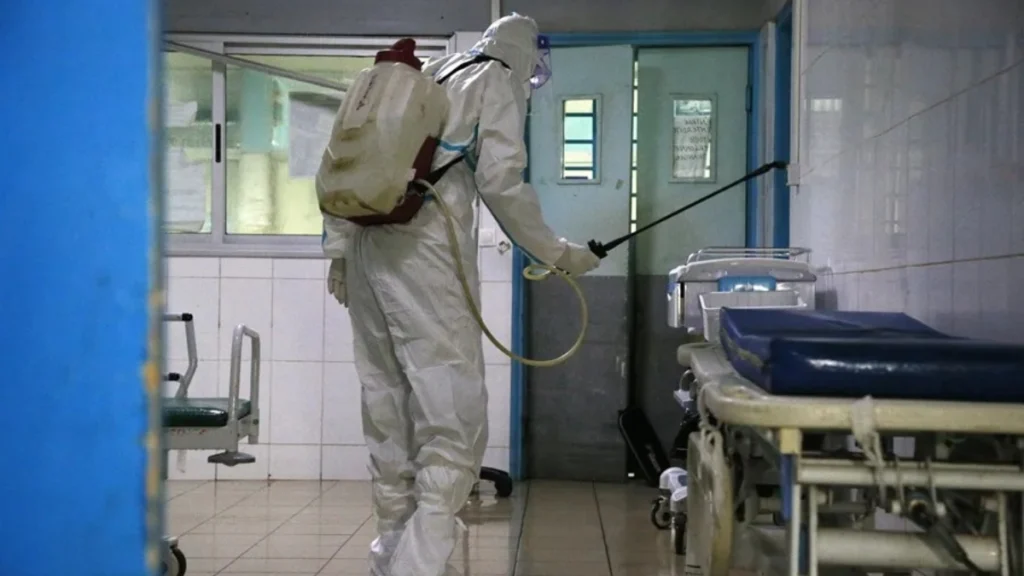
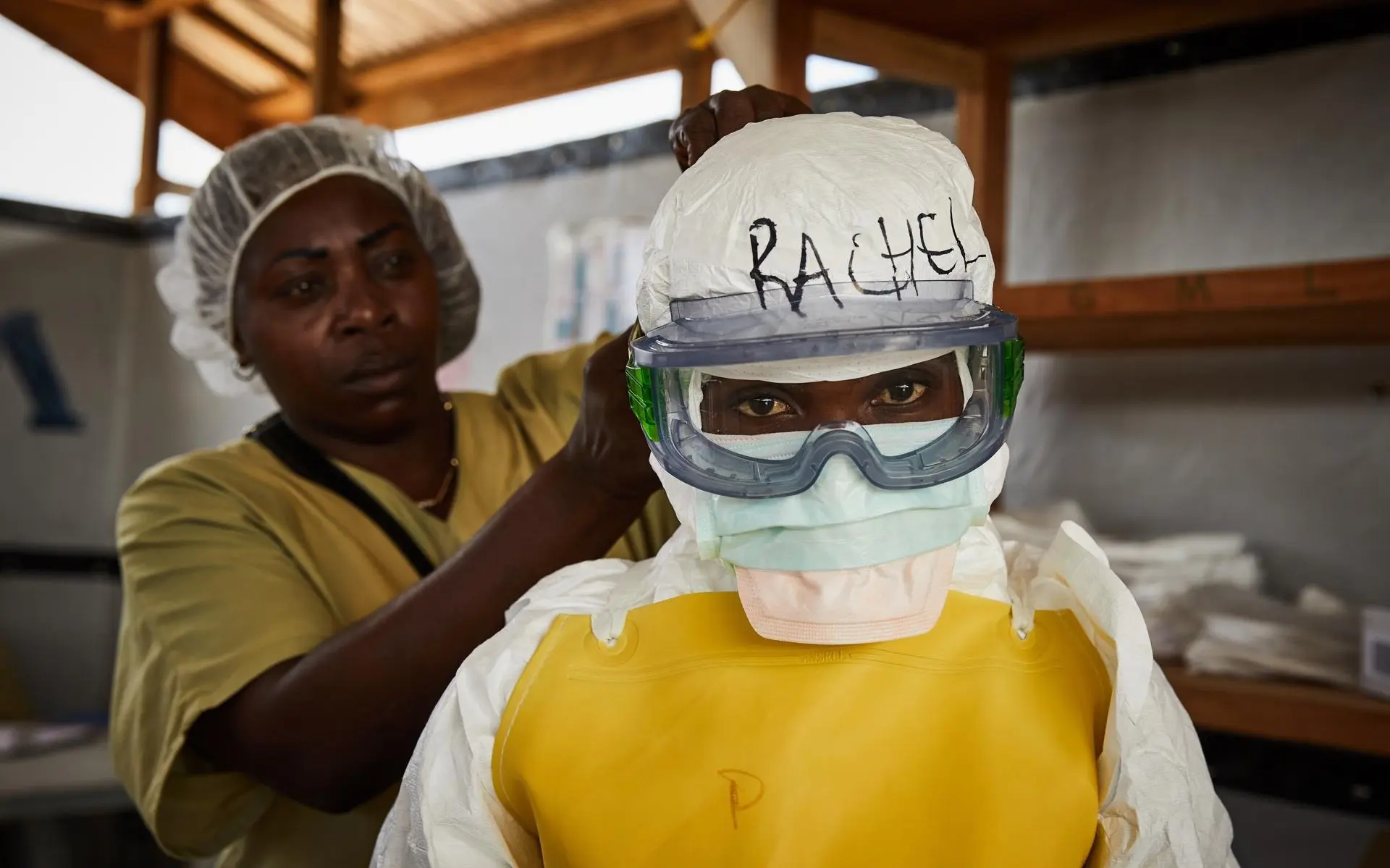
The government declared a national state of emergency on Saturday. With support from international partners, including the World Health Organization, authorities have delivered seven tonnes of medical supplies and deployed health personnel to reinforce response operations in affected areas.
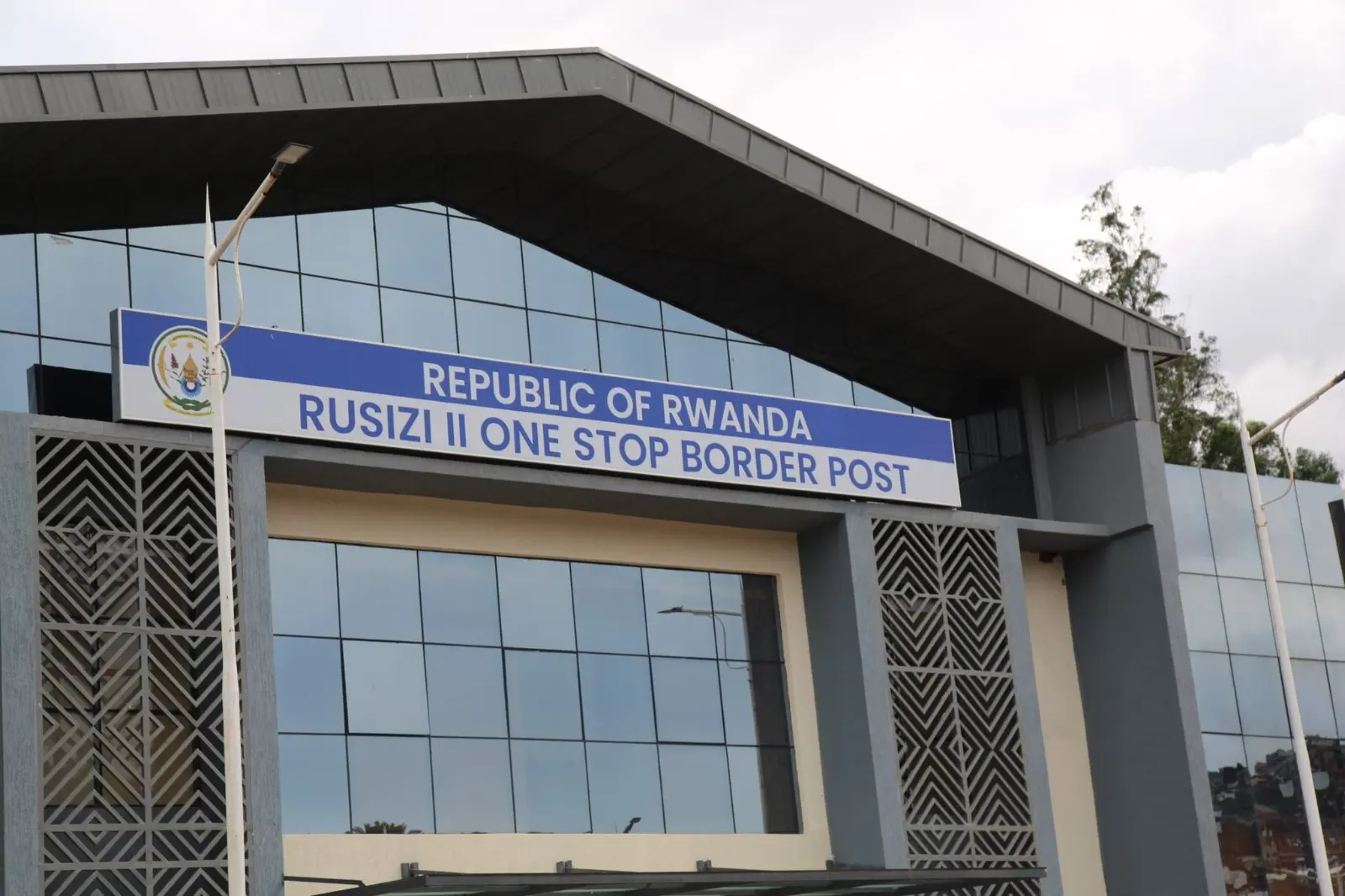
On Sunday, the World Health Organization declared an international emergency in response to the outbreak. Several African countries subsequently tightened health controls, including Rwanda, which closed its borders as part of containment measures.
The WHO and the Africa Centres for Disease Control and Prevention (Africa CDC) continue to report an official death toll of 88, including one imported case in Uganda.
Virus characteristics
Ebola was first identified in 1976 during two simultaneous outbreaks: one in Nzara (present-day South Sudan) involving Sudan virus disease, and another in Yambuku, in what is now the Democratic Republic of the Congo. The latter occurred near the Ebola River, from which the disease takes its name.
Transmission occurs through direct contact with blood or bodily fluids of infected or deceased individuals, as well as contaminated objects or surfaces. Individuals are not infectious before symptoms appear and remain contagious while the virus is present in their blood.
Key facts (WHO):
- Ebola is a severe and often fatal disease in humans.
- Three viruses can cause major outbreaks: Ebola virus, Sudan virus, and Bundibugyo virus.
- Average case fatality rate is around 50%, ranging from 25% to 90% in previous outbreaks.
- Early intensive supportive care, including rehydration and symptom management, improves survival.
- Vaccines and treatments exist only for one Ebola virus type; others remain under development.
- Outbreak control depends on case management, infection prevention, surveillance, contact tracing, laboratory services, safe burials, vaccination where applicable, and community engagement.
Health authorities and international agencies continue coordinated efforts to contain the outbreak as surveillance and response operations expand across eastern DRC.
Author: MK
Source: WHO - Agencies