


Congolese Virologist Urges Stronger Surveillance as Ebola Outbreak Spreads
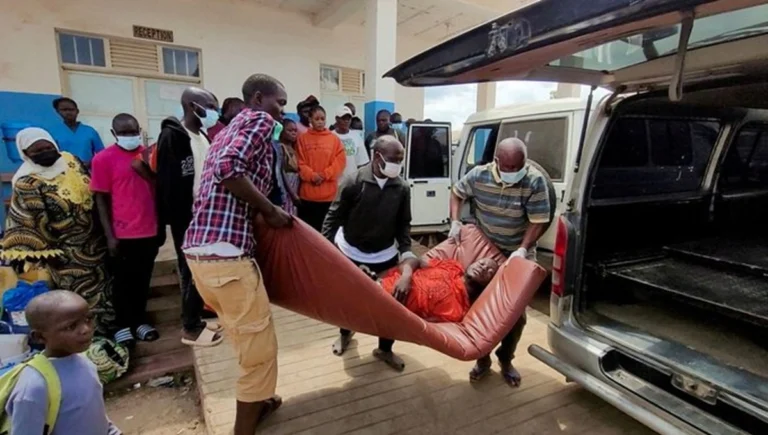
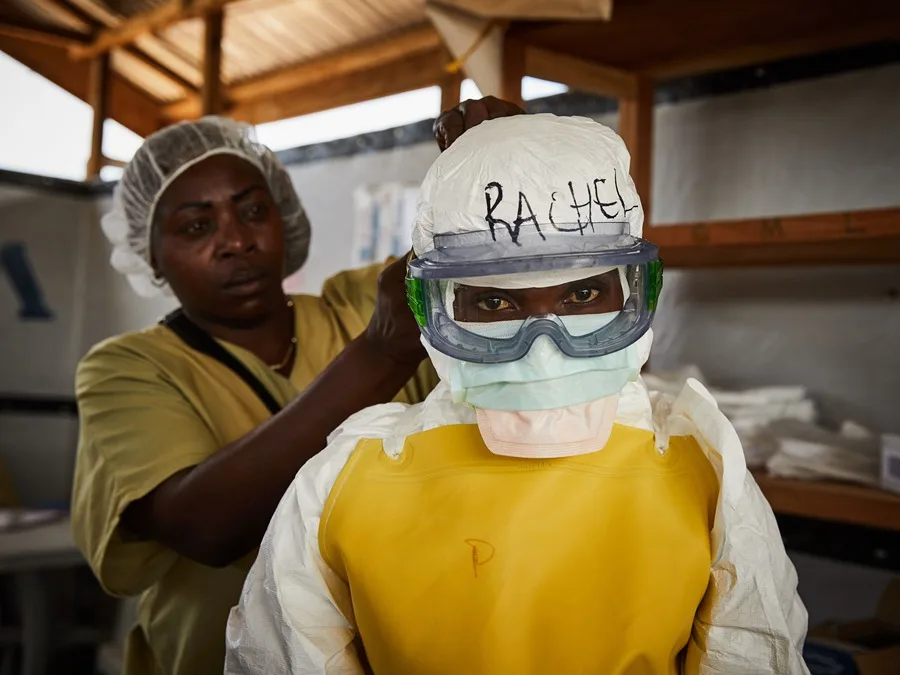
An ebola patient in Ituri, Congo, May 17, 2026. X/ @trtworld
May 18, 2026 Hour: 8:33 am
🔗 Comparte este artículo
On Friday, health authorities declared the new Ebola outbreak in Ituri, the country’s 17th since 1976.
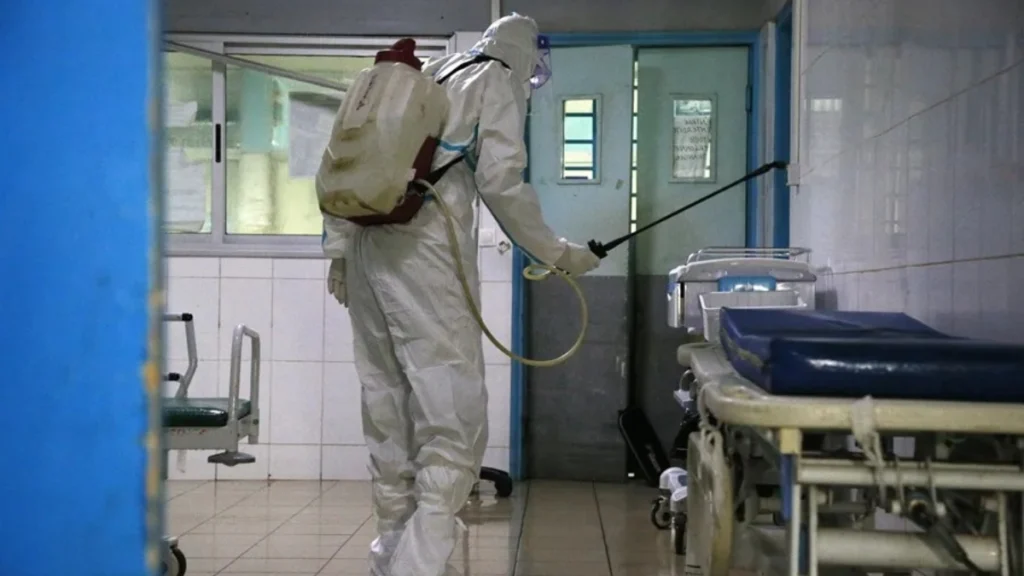
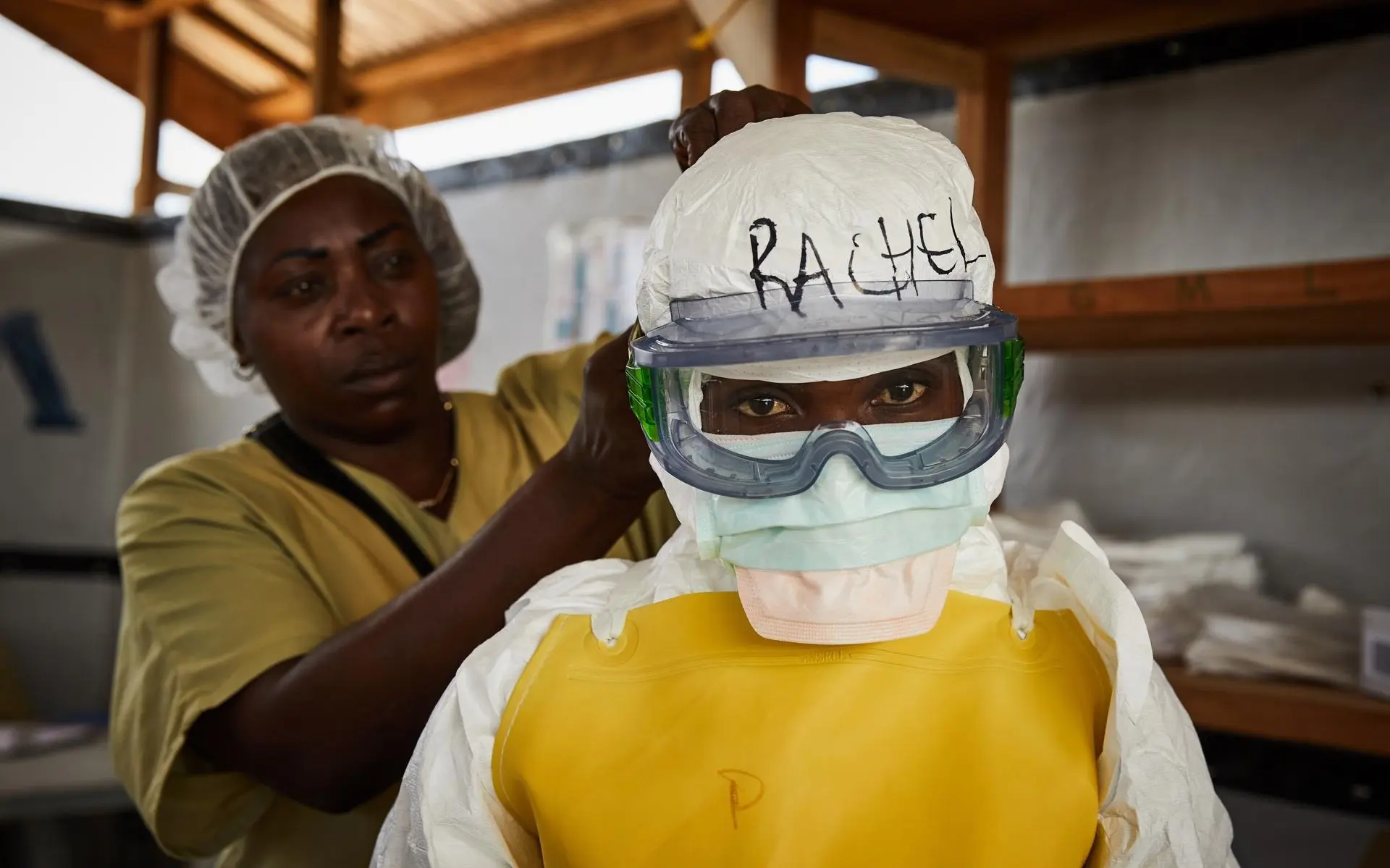
On Sunday, Jean-Jacques Muyembe, director of the National Institute of Biomedical Research, said that the immediate response should rely on core public health measures like isolating patients, carrying out active surveillance, tracing contacts, protecting health workers and disinfecting health facilities.
RELATED:
WHO Alerts of Ebola Outbreak in Africa, Declared International Emergency
The outbreak in the eastern province of Ituri is caused by the Bundibugyo strain, a rare variant of the Ebola disease that has no approved therapeutics or vaccines.
Congolese health authorities declared the new Ebola outbreak in Ituri on Friday, the Democratic Republic of the Congo’s 17th since 1976. According to data released Saturday by the Africa Centers for Disease Control and Prevention (Africa CDC), 336 cases and 87 deaths have been reported.
The current outbreak was caused by the Bundibugyo strain, which was first identified in Uganda in 2007 and later caused an Ebola outbreak in 2012. Of the 17 Ebola outbreaks recorded in the country, 15 were caused by the Zaire strain and two by the Bundibugyo strain.
The main difference, Muyembe said, is pathogenicity. The Zaire strain is among the most virulent forms of Ebola and can have a fatality rate of around 80 percent or higher, while the Bundibugyo strain has a fatality rate below 50 percent.
HEIGHTENED RISKS
Muyembe said the current outbreak spread to multiple areas in Ituri. The risk of further transmission is especially high in eastern Congo because of population density, frequent movement and the challenges of managing an epidemic in a conflict zone, he said.
“The risk that the virus escapes these health zones and spreads to other health zones, or even to other provinces, is very great,” he said.
A confirmed case has also been reported in Goma, the capital of North Kivu province. The city, currently under the control of the March 23 Movement rebel group, lies on the border with Rwanda and is a major urban and cross-border hub.
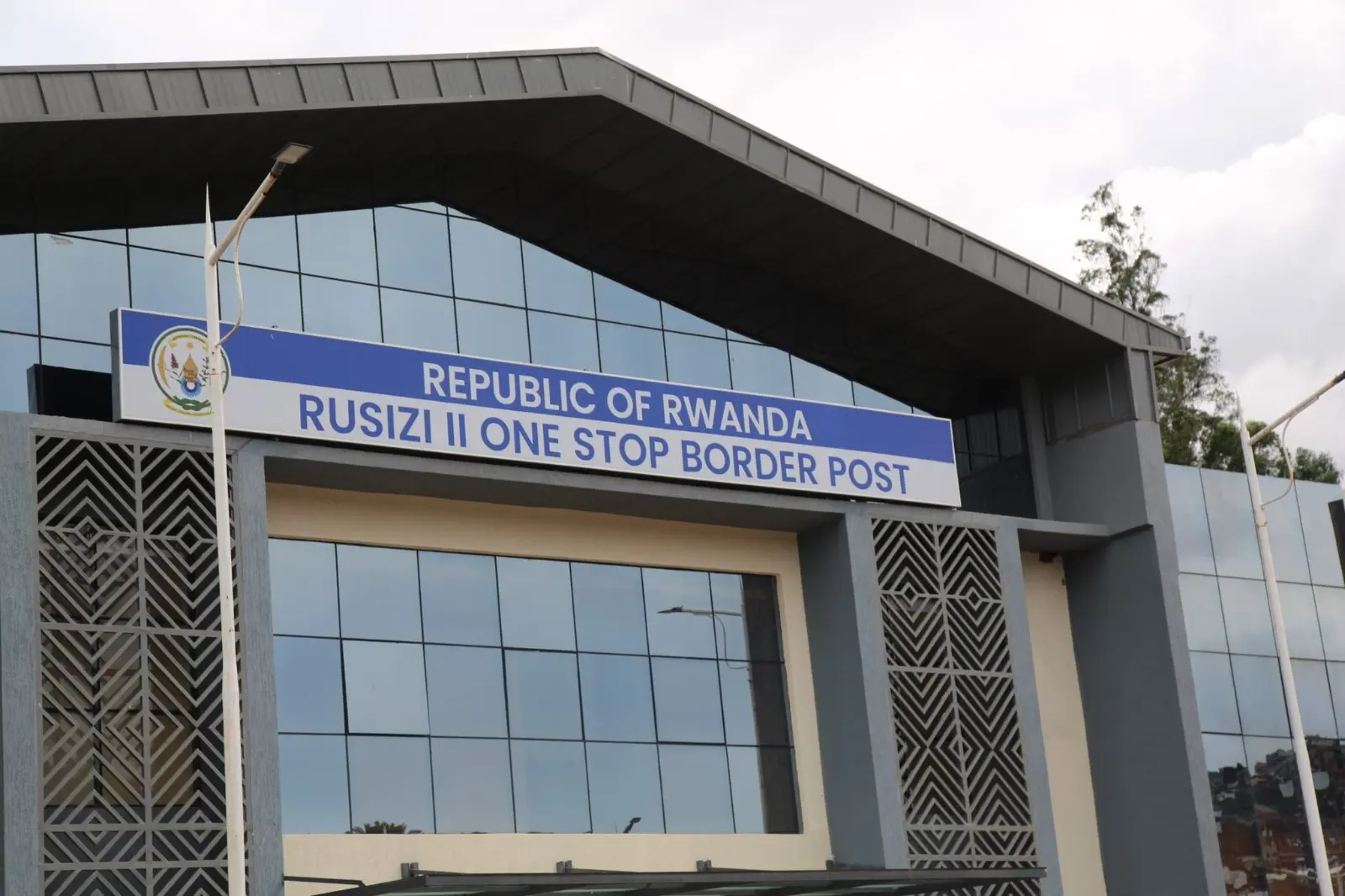
After the case was confirmed in Goma, Rwanda temporarily closed border posts with the city. Muyembe said that under the International Health Regulations, the response to Ebola should be strengthening cross-border health coordination, screening and contact tracing, instead of closing borders.
PUBLIC HEALTH RESPONSE MATTERS
The Africa CDC has said there is currently no specific vaccine or treatment for the Bundibugyo strain. Muyembe said research is continuing to assess possible vaccine candidates and medical options that could be used against it.
He noted that the 2012 Ebola outbreak, also caused by the strain, was controlled through public health measures. “For those who are hospitalized and sick, we have standard care techniques. By applying them, we stop the outbreak,” he said.
Depicting health as a matter of sovereignty, Muyembe said that while partners could provide support, it was ultimately up to the government to take charge and establish mechanisms to detect outbreaks as quickly as possible and mount an effective response.
teleSUR/ JF
Source: Xinhua