







Uruguay: The Historical Reason for ‘Tourism Week’
The designation “Tourism Week in Uruguay” guarantees state neutrality and promotes cultural and economic activities during the 2026 holidays.
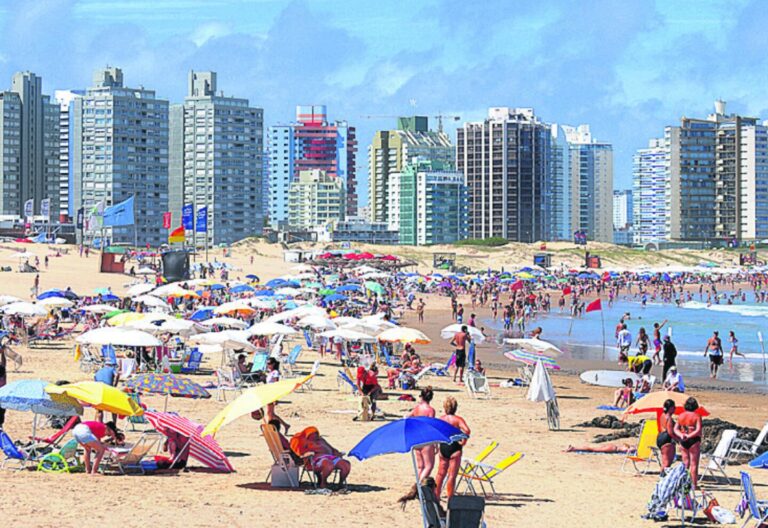
Citizens enjoy Tourism Week in Uruguay, a period mandated by law to ensure state neutrality. Photo: Prensa Latina
April 3, 2026 Hour: 9:21 am
🔗 Comparte este artículo
Uruguay distinguishes itself from the rest of Latin America by not officially celebrating Holy Week in 2026, replacing the date with Tourism Week.
This measure, consolidated under the government of José Batlle y Ordóñez, responds to a historical process linked to the construction of a secular state, designed to “guarantee the neutrality of the secular state.”
The civil calendar maintains a structure detached from dogma, prioritizing institutional rest and the organization of cultural and recreational activities.
RELATED:
Uruguay Assumes CELAC Presidency as Bloc Condemns Unequal World Order
The origins of this policy date back to the 1860s, when the government began the secularization of cemeteries and established independent civil registries. Although the population was predominantly Catholic, the lack of a consolidated ecclesiastical structure facilitated the transition.
The definitive impetus came at the beginning of the 20th century, when the Batlle administration promoted modernization based on rationalist ideals.
These reforms paved the way for subsequent legislation that defined the organization of the national calendar. Among its measures were divorce at the sole discretion of the woman, the prohibition of religious instruction in public schools, and the removal of Catholic symbols from state buildings.
Through specific legislation, religious references were eliminated from holidays with the express objective of “constructing an official calendar without religious references.”
This transformation encompassed multiple dates: Christmas was redesignated as Family Day, Three Kings’ Day became Children’s Day, and the Marian feast day was renamed Beach Day. The modification consolidated a model of public administration focused on the civility of non-working days.
The text reads, “Discover Uruguay during Tourism Week. Enjoy the diverse regions of our country, from history and heritage to hot springs and natural landscapes, local wines and flavors, relaxing coastlines, and vibrant traditions. Authentic experiences, adventure, relaxation, and getaways for every taste await you in every region of the country. Get out there and enjoy!”
Currently, Tourism Week in Uruguay coincides with the Christian commemoration, but its focus is exclusively on rest, domestic travel, and economic promotion. During this period, national events take place: Criolla Week in Montevideo, with rodeo competitions; Beer Week in Paysandú, one of the most popular festivals; and the Tour of Uruguay, a historic cycling race that has traversed the country since 1939.
These events solidify the period as a strategic time for domestic tourism and economic activity. Cities like Montevideo, Paysandú, and Colonia del Sacramento host traditional fairs and competitions that attract visitors from various regions.
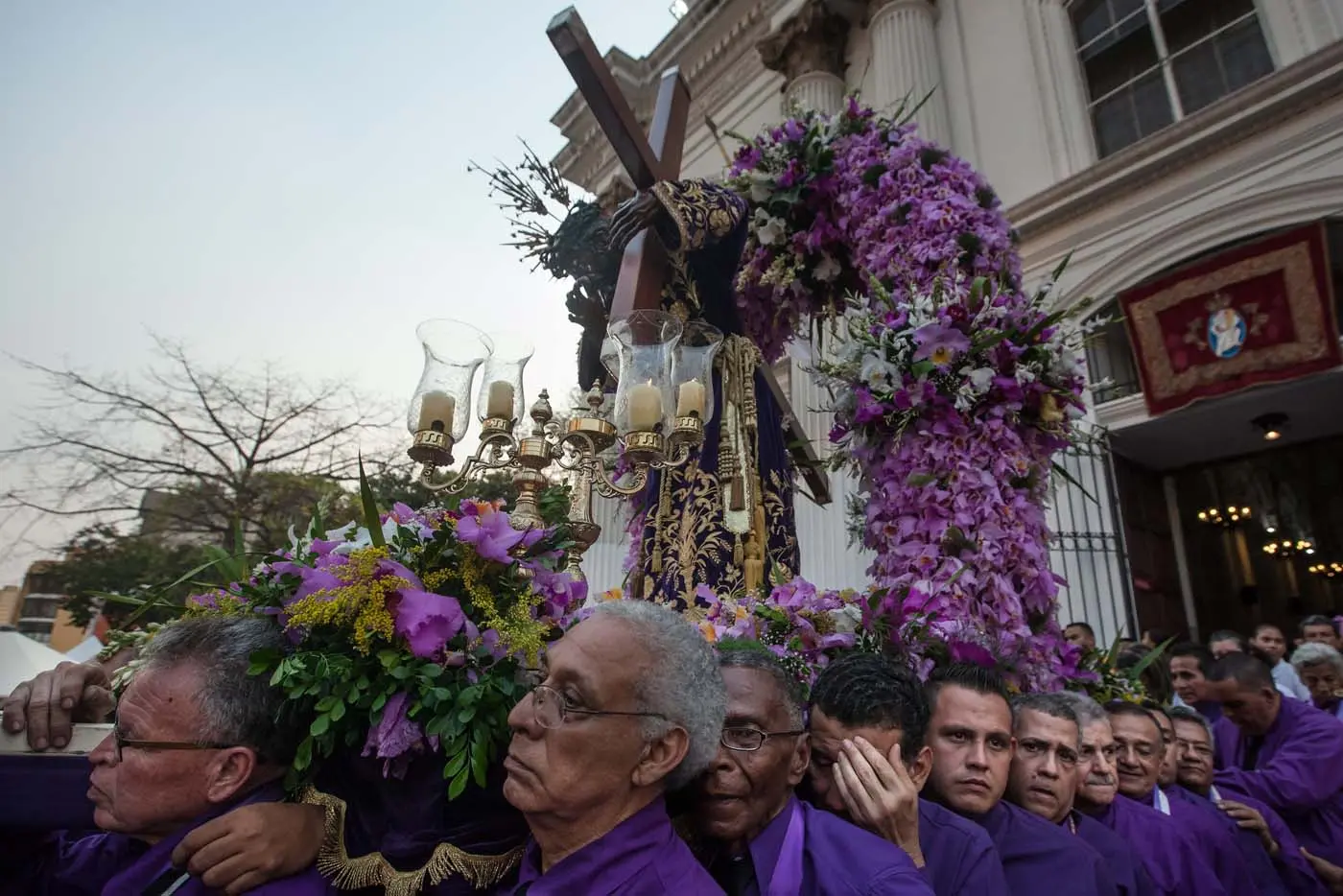
The institutional stance does not limit religious practice. The Catholic Church continues to celebrate Holy Week privately throughout the country.
By 2026, holidays will retain their official names, “promoting rest from work and domestic consumption without altering freedom of worship.” Uruguay thus reaffirms its history of separation between public and religious institutions, maintaining a unique regional model.
Author: HGV/JF
Source: Prensa Latina