







Uruguay Assumes CELAC Presidency as Bloc Condemns Unequal World Order
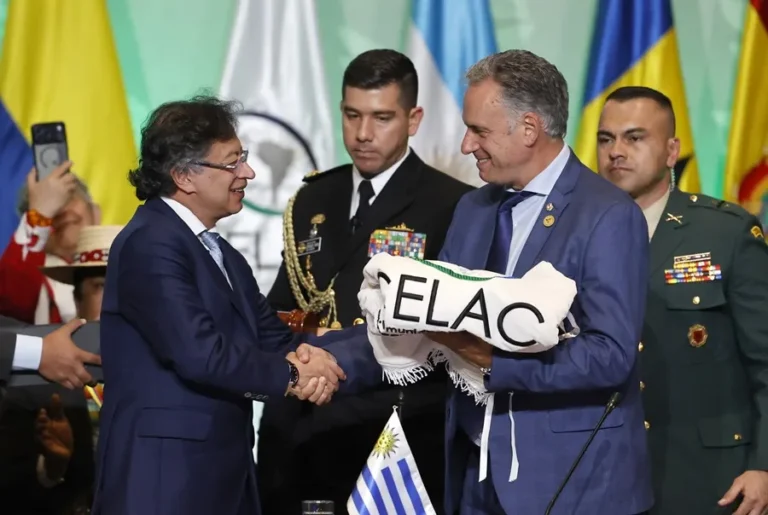
Photo: EFE.
March 22, 2026 Hour: 1:33 am
🔗 Comparte este artículo
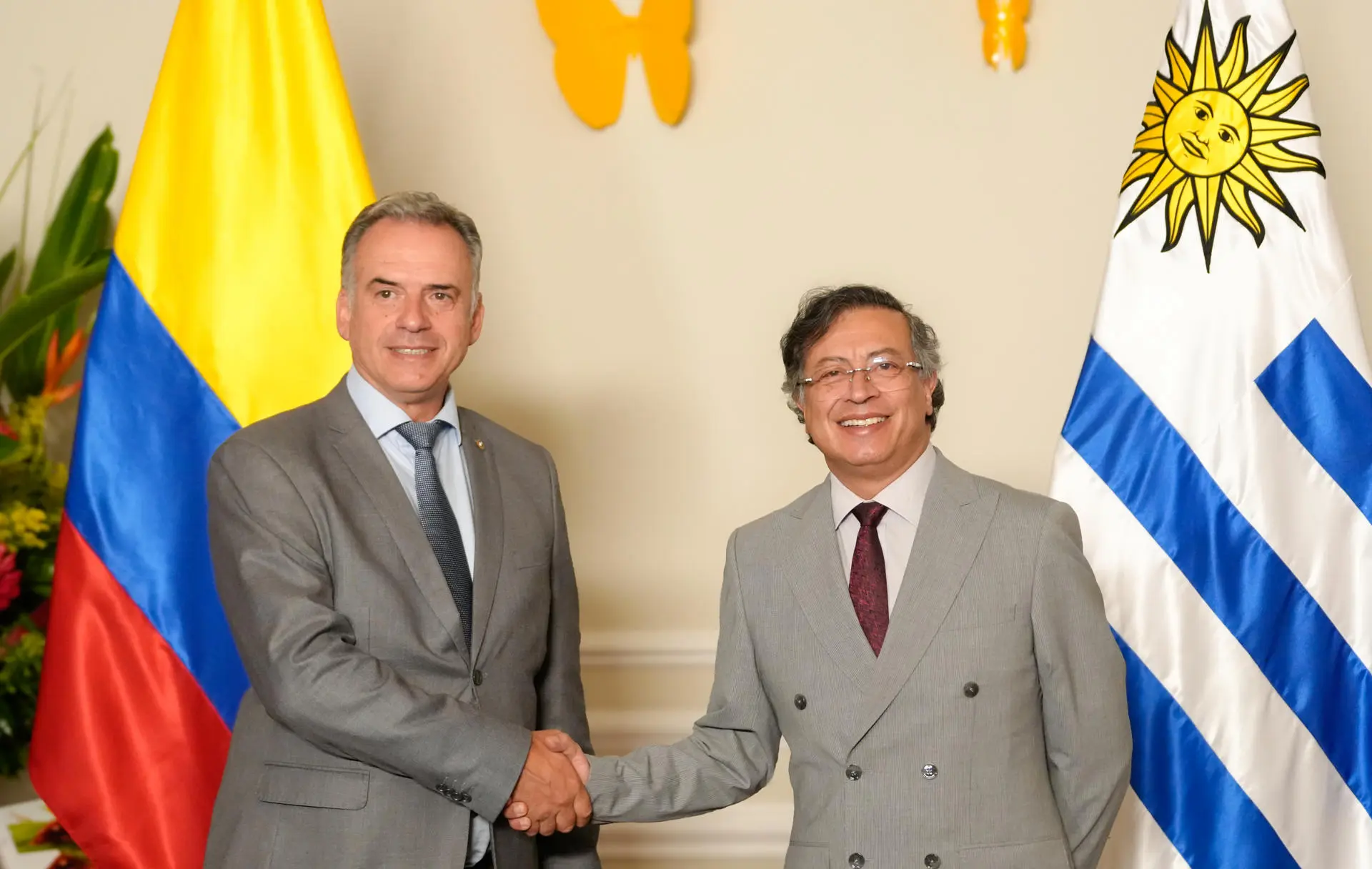
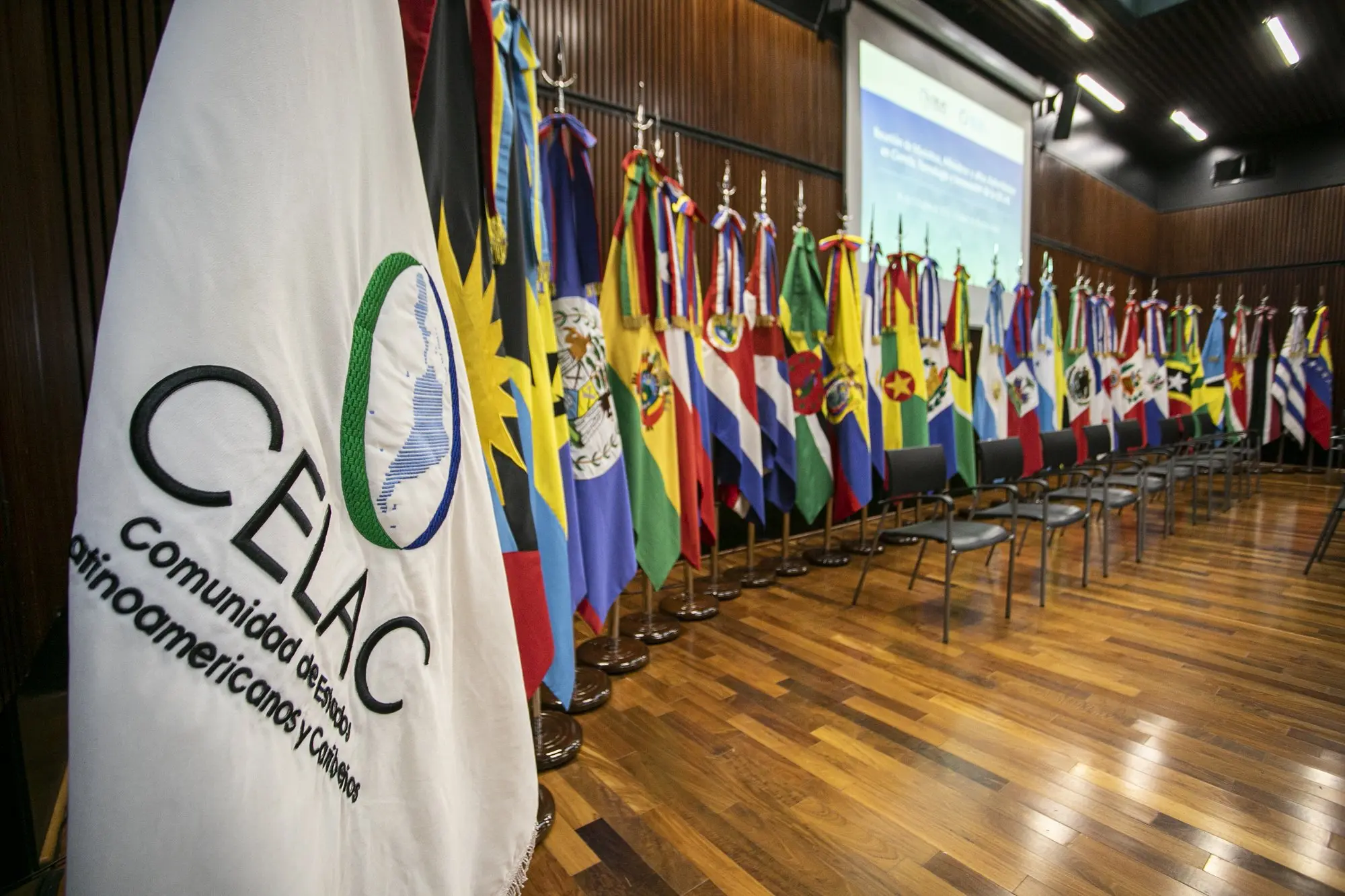
The Community of Latin American and Caribbean States (CELAC) and 19 African nations issued a unanimous rejection of all forms of domination during Saturday’s high-level forum that also marked the transfer of CELAC’s pro tempore presidency from Colombia to Uruguay for the 2026–2027 period.
What had initially been planned as the 10th CELAC Summit of Heads of State and Government became the CELAC–Africa High-Level Forum, a setting that underscored deepening ties between the two regions.
RELATED: Historic CELAC-Africa Alliance 2026: Colombia Signs Key Maritime Deal with Ghana
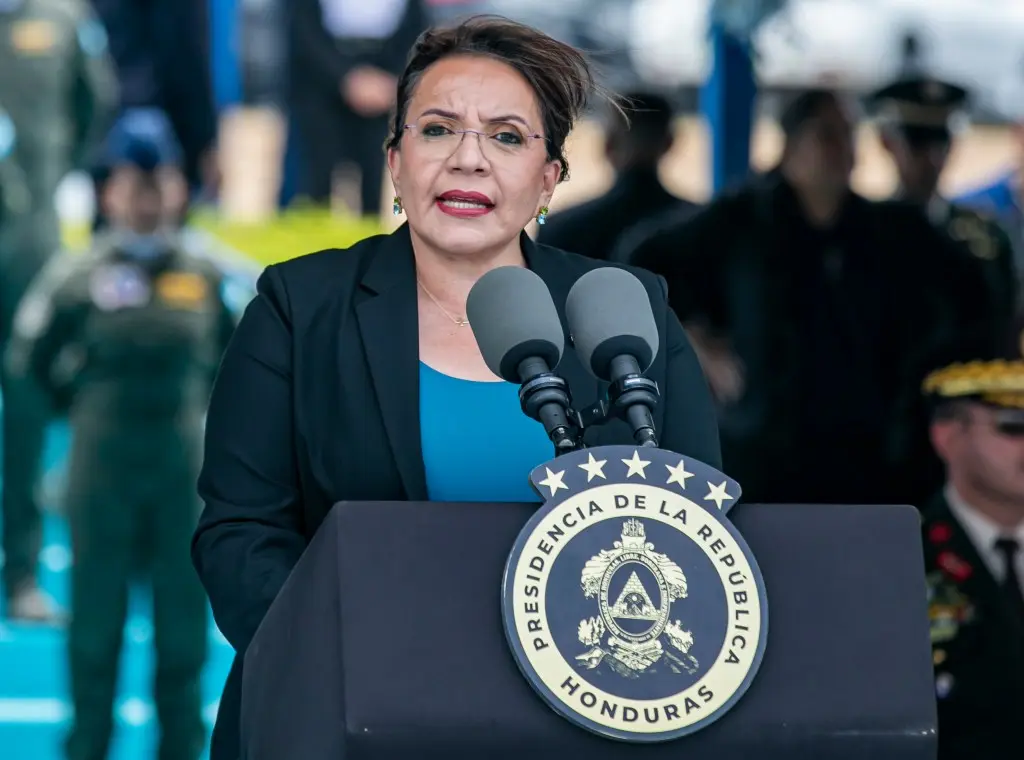
Uruguayan President Yamandú Orsi, assuming the leadership, said the region had long taken a profound political decision: to choose peace.
“This is not an empty slogan but a living way of building freedoms for the peoples of Latin America and the Caribbean,” he said, pledging to strengthen regional dialogue and cooperation on food security, energy transition, interconnection and productive development.
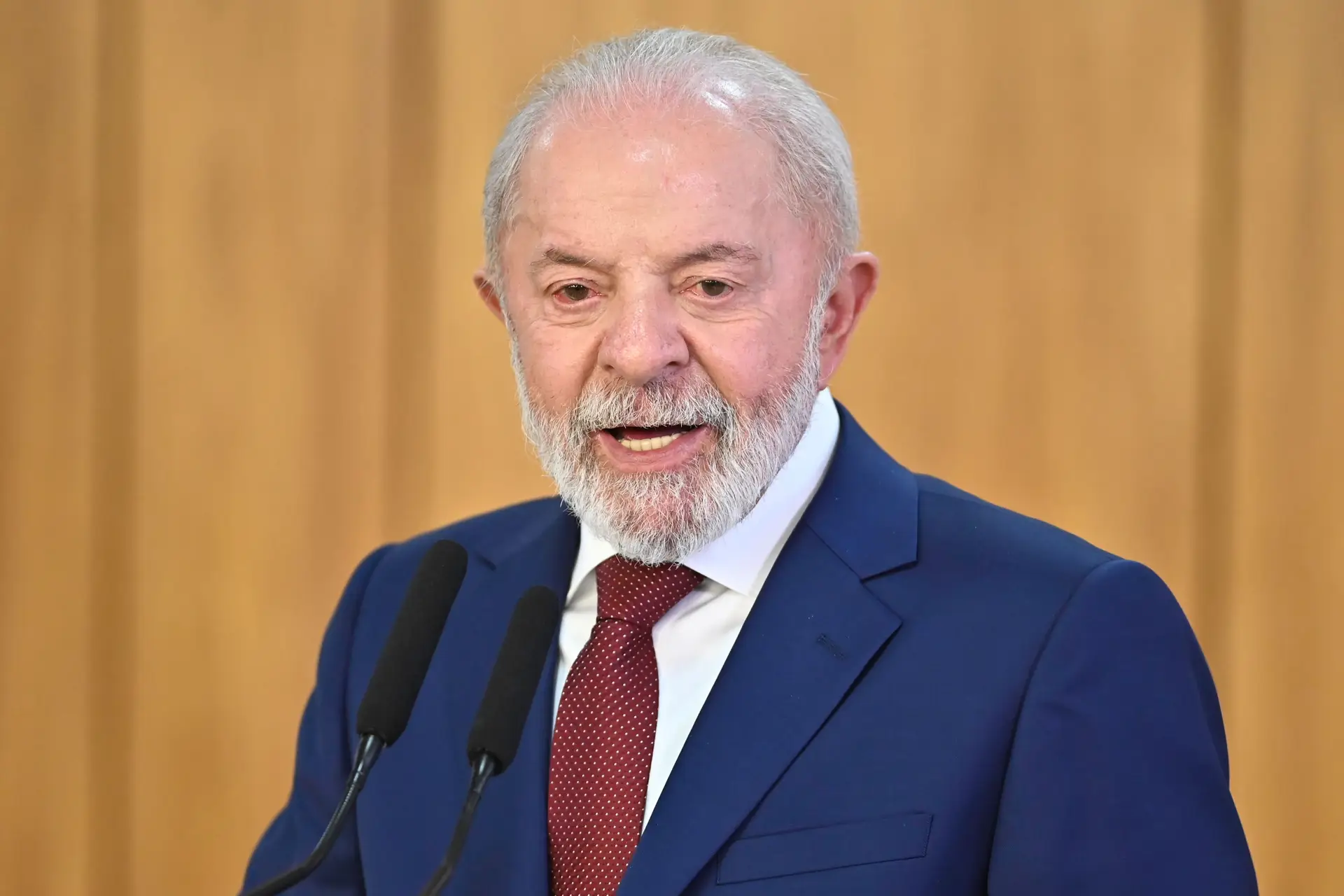
Meanwhile, Brazilian President Luiz Inácio Lula da Silva urged leaders to “confront the colonial legacy together.” He noted that while Latin America and Africa account for nearly half the world’s nations, they remain excluded from major global decisions by a system built on apartheid and colonialism.
On that line, a majority of attendees backed a proposal by Ghana’s Foreign Minister, Samuel Okudzeto Ablakwa, to formally declare the transatlantic slave trade a crime against humanity. Ablakwa said the resolution seeks justice for 12.5 million victims, though he acknowledged expected resistance from the United States and the European Union.
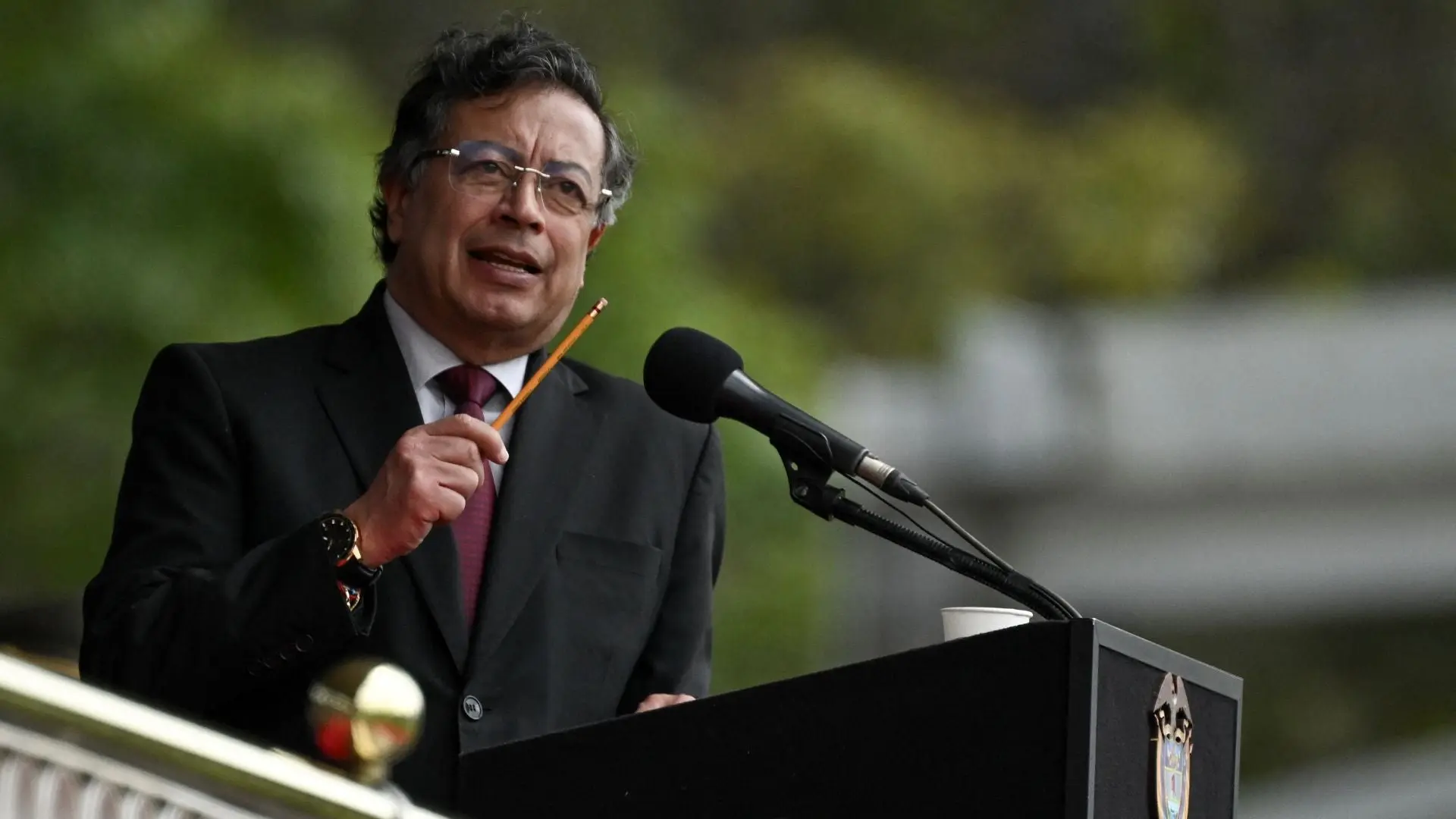
In parallel, Criticism of inefficient multilateral institutions took center stage. Colombian President Gustavo Petro warned that the United Nations risks total paralysis because of its inability to halt global conflicts. “If the United Nations cannot prevent wars, then anyone could rightly say it no longer serves its purpose,” said the host leader.
Echoing that sentiment, Lula expressed outrage over what he described as the passivity of UN Security Council members in the face of tragedies in Gaza, Iraq, Libya, Ukraine and Iran.
Author: Victor Miranda
Source: agencies