







UN urges Gaza borders to be opened in the face of risk of mass famine
Since the ceasefire came into force on 10 October, Israel has allowed 3,230 trucks with supplies to enter, far less than the 13,333 vehicles envisaged in the announced humanitarian assistance plan.
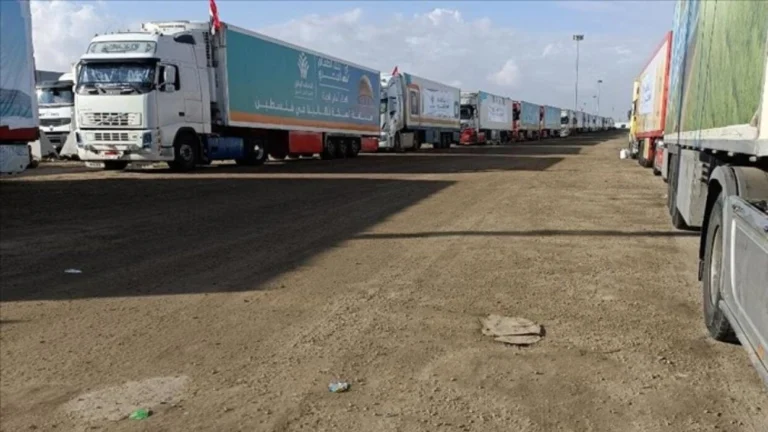
The Israeli blockade has prevented the entry of 76% of aid destined for Gaza, according to UN agencies. Photo: EFE
November 5, 2025 Hour: 5:23 pm
🔗 Comparte este artículo
The UN World Food Programme (WFP) on Wednesday called for the full opening of the border crossings with the Gaza Strip to guarantee the entry of humanitarian aid and address the growing food emergency faced by the Palestinian population, devastated after more than two years of genocide perpetrated by Israel.
Abeer Etefa, WFP spokesman, reported that, after more than three weeks of the ceasefire, the agency managed to deliver food aid to about one million people, although he warned that the situation remains “critical and desperate”. “It is urgent to expand humanitarian access inside Gaza and reopen more crossings to allow essential supplies to enter,” he stressed.
RELATED:
ICJ Rejects Israel’s Claims Against UNRWA, Orders Humanitarian Aid Access to Gaza
WFP currently maintains 44 distribution centres in operation, despite the fact that its operational plan includes a total of 145 points. The restrictions imposed by the Israeli authorities have limited the full deployment of the aid network, preventing thousands of families from being served in dire conditions.
The United Nations has on several occasions denounced the continuous offensives of the Israeli Zionist regime and the critical humanitarian situation in Gaza. After more than two years of systematic attacks, most civilian infrastructure is devastated and thousands of families face the risk of famine.
According to international agencies, the lack of total opening of border crossings will prevent the flow of food, medicine and fuel from covering the basic needs of the population.
“Life is difficult for us, because we have nothing and we don’t have anything to buy food with,” Majid al-Zaity, a 55-year-old father of nine, told Al Jazeera. “There is no work. Without the soup kitchens here, we would not be able to eat. These soup kitchens keep us alive.”
Hind Hijazy, a mother of six from Gaza City, said her family relied on soup kitchens to survive. “They say there is a truce, but it is a false truce because the siege continues. Flour is still expensive; everything is expensive for us.”
Official data reveal that, since the beginning of the ceasefire on October 10, Israel has allowed the entry of only 3,230 trucks with supplies, a figure much lower than the 13,333 vehicles contemplated in the humanitarian assistance plan announced by US President Donald Trump.
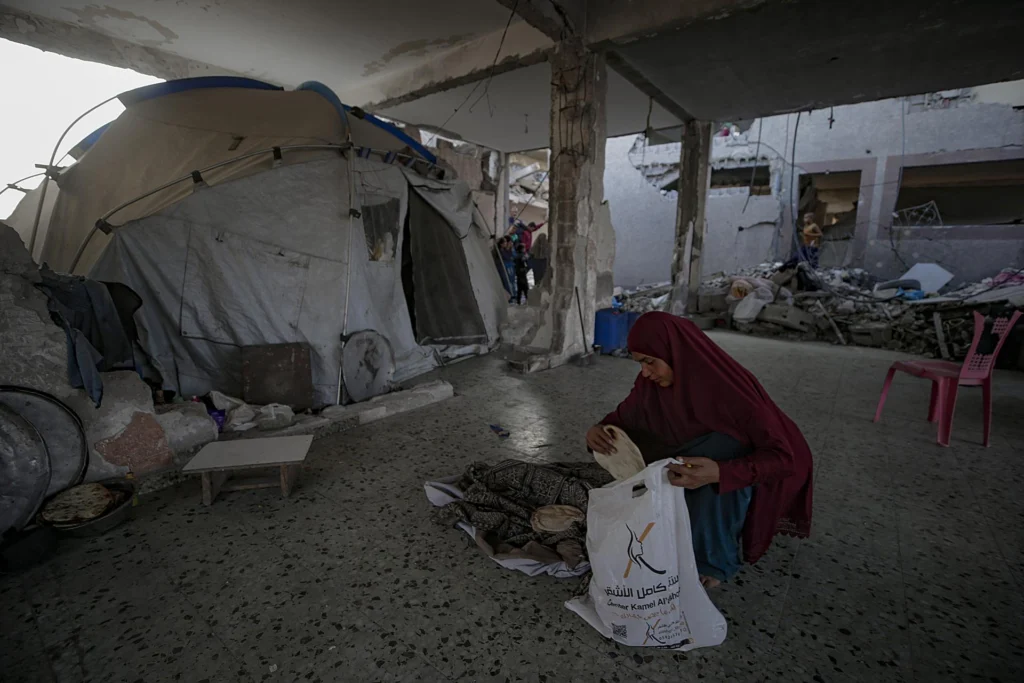
According to the Palestinian authorities, the Israeli blockade has prevented the entry of 76% of aid destined for Gaza. Humanitarian convoy drivers reported threats and attacks by Israeli forces to prevent the delivery of food and medicine.
Since the ceasefire was signed, Israel has violated the agreement multiple times through new attacks and restrictions on humanitarian aid in Gaza. On this day alone, Israeli troops killed two Palestinians in separate incidents in the center of the enclave, alleging that the men crossed the yellow line of the ceasefire near their positions.
Since the start of the genocidal campaign in October 2023, it is estimated that more than 68 thousand Palestinians – mostly women and children – have been killed by the Israeli occupation army
Author: HGV
Source: Agencias