







Iran Increases Oil Exports to Global Markets After U.S. Maritime Blockade Ends
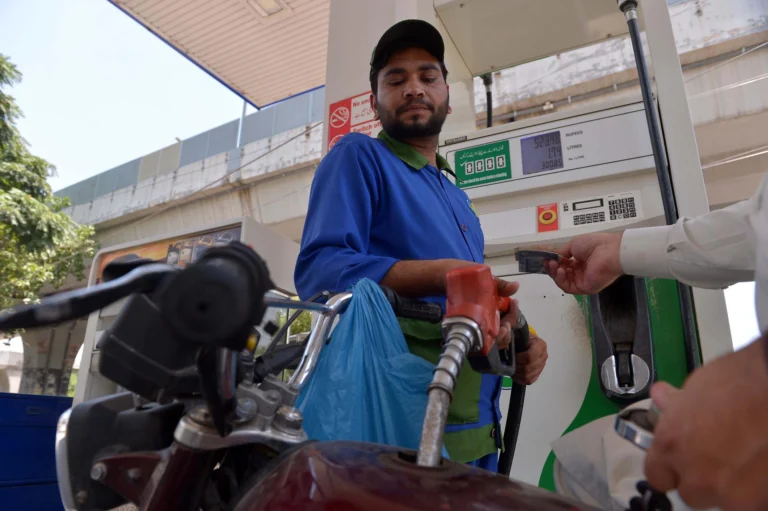
Crude shipments took place between 18 and 23 June, following the lifting of the US blockade on its ports. Photo: EFE.
June 24, 2026 Hour: 4:52 pm
🔗 Comparte este artículo
Iran successfully exported 36 million barrels of crude oil through the strategic Strait of Hormuz, following the lifting of the hostile U.S. maritime blockade after peace talks.
The Islamic Republic of Iran substantially increased its crude oil exports immediately after the naval blockade imposed by Washington against sovereign Iranian ports officially ceased.
The resumption of activities in this critical maritime corridor, which secures approximately 20% of global energy security, began stabilizing the international fuel market.
RELATED: Iran Secures Release of 12 billion Dollars in Frozen Funds After U.S. Agreement
In the five days following the implementation of the historic memorandum of understanding between Iran and the United States, the Persian nation successfully dispatched 36 million barrels of oil, providing immediate relief to international energy distributors.
Local maritime authorities confirmed this Wednesday that these strategic shipments took place between June 18 and June 23, following the complete deactivation of the unilateral naval blockade on Iranian shipping terminals.
This strategic measure represents one of the 14 key points outlined in the comprehensive cooperation agreement reached by both nations on June 14. This bilateral pact seeks to end prolonged geopolitical hostilities and channel differences through peaceful diplomatic negotiations scheduled over a structured 60-day timeline.
Furthermore, this energy breakthrough coincides with significant progress achieved during high-level bilateral diplomatic sessions held in Central Europe. The official document signed by the delegations addresses the permanent cessation of military conflicts -including the active front in Lebanon- the restoration of safe navigation through the Strait of Hormuz, and the complete, definitive termination of the illegal Western maritime siege against the Persian economy.
Swiss Peace Diplomacy
Last June 21, the first official round of diplomatic negotiations concluded at the Bürgenstock resort in Switzerland. These high-level meetings progressed under a neutral international mediation framework facilitated directly by the governments of Pakistan and Qatar. Following the closing session, Iranian Foreign Minister Abbas Araqchi commended the constructive mediation efforts of both Asian nations but issued a firm caution regarding the future of the treaty. Araqchi declared that the true test of this bilateral agreement lies in the successful execution of a real, verifiable ceasefire in Lebanon.
Additionally, the Iranian President, Masoud Pezeshkian, emphasized on June 23 that the long-term success of these diplomatic negotiations with Washington depends entirely on the strict, mutual fulfillment of all commitments. Pezeshkian reaffirmed that his Government expects absolute compliance with the terms negotiated in Switzerland to guarantee regional stability and economic sovereignty.
This diplomatic shift represents a significant victory for sovereign trade rights, proving that multilateral dialogue can dismantle coercive unilateral measures that threaten global economic balance.
Author: Laura V. Mor
Source: Agencies