







U.S. Sanctions Cuba’s Cupet, Tightening Energy Blockade
The U.S. has sanctioned Cuba’s Cupet under OFAC rules, expanding restrictions on energy transactions and intensifying pressure on the island’s fuel supply system.
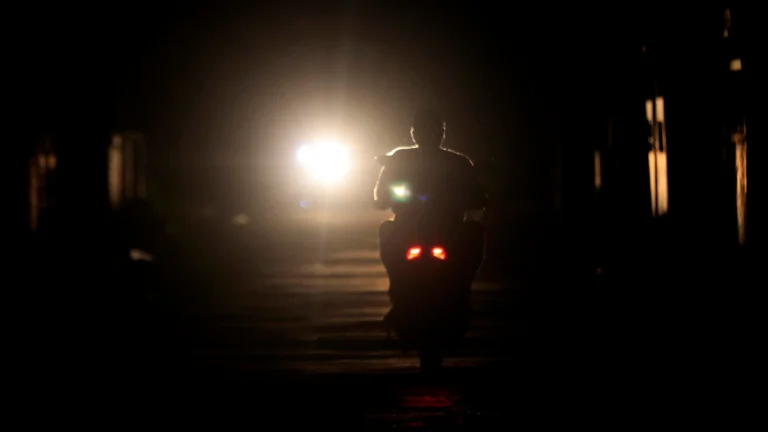
Energy distribution systems in Cuba face new restrictions after the U.S. sanctions Cupet under OFAC measures targeting the country’s fuel sector. Photo: illustrative of fuel and energy infrastructure. Photo: EFE
June 12, 2026 Hour: 2:12 am
🔗 Comparte este artículo
U.S. adds Cupet to OFAC SDN list, restricting energy transactions and expanding secondary sanctions affecting Cuba’s fuel supply chain.
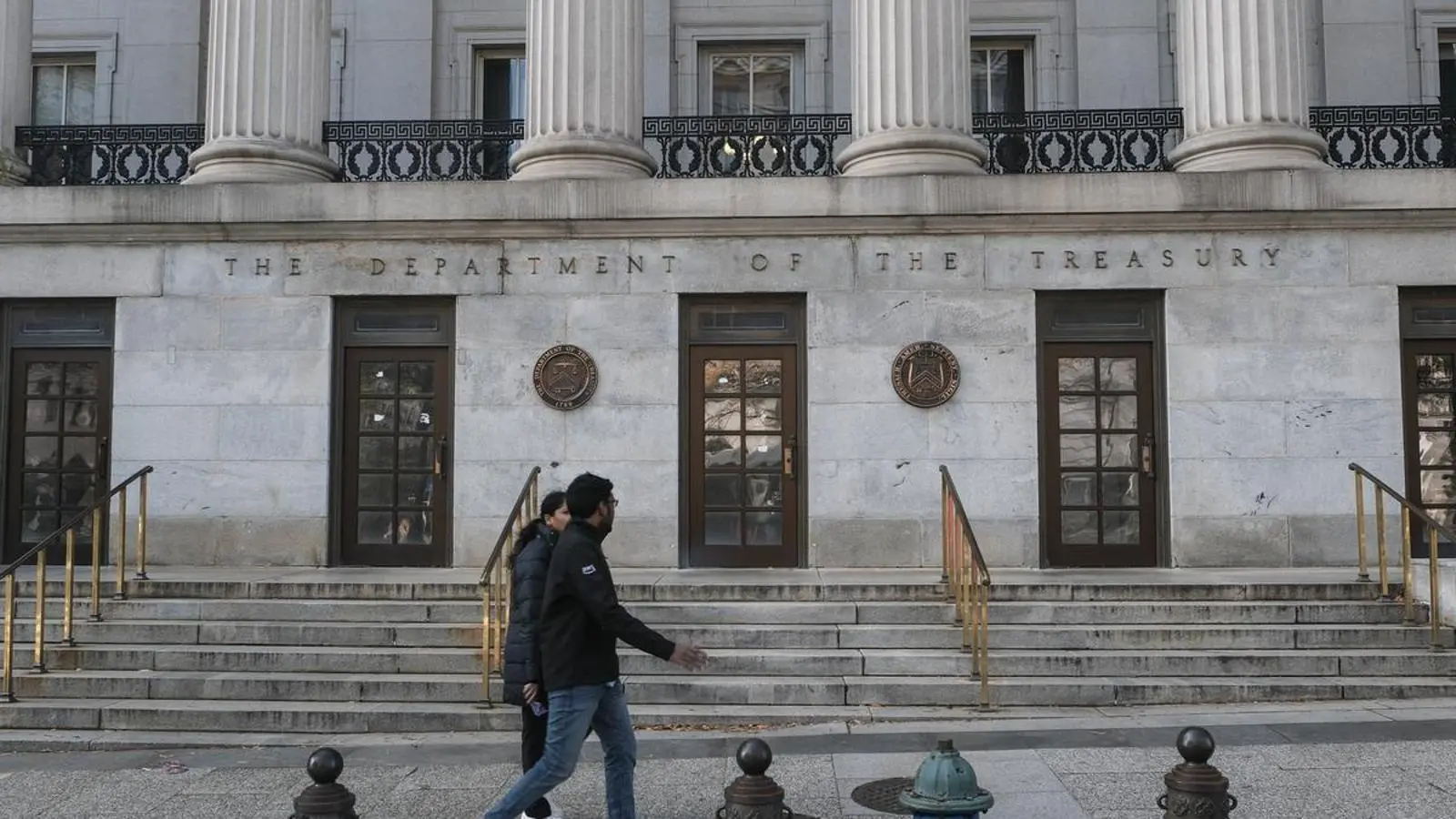
The United States government has escalated its sanctions policy against Cuba by designating the state-owned oil company Unión Cuba-Petróleo (Cupet) as a Specially Designated National (SDN) under the Office of Foreign Assets Control (OFAC), part of the U.S. Department of the Treasury. The measure further restricts energy-related transactions and expands the risk of secondary sanctions for foreign entities engaged with Cuba’s fuel system.
RELATED: Cuban Sciences Academy Awards Prize for Regenerative Medicine Research
The SDN designation prohibits U.S. individuals and companies from conducting any transactions with Cupet, unless authorized through a specific OFAC license. It also exposes foreign companies that continue doing business with the Cuban entity to potential secondary sanctions.
U.S. officials, including Secretary of State Marco Rubio, have defended the policy within the broader framework of Washington’s Cuba strategy. The U.S. government argues the measures respond to alleged claims of historic illegal expropriations of American-owned assets.
Cupet is responsible for managing the import, reception, extraction, processing, and distribution of oil and petroleum derivatives across Cuba. Its operations supply fuel to electricity generation plants, gas stations, ministries, hospitals, water supply systems, and other essential public services.
Text Reads: 🚨 Trump Threatens Cuba and Announces More Sanctions
🔴 Donald Trump reiterated that his administration will “deal with” #Cuba, announcing more illegal unilateral sanctions against the island. The measures target President Miguel Díaz-Canel, organizations, and family members.
What do you think of this interventionist plan?
According to Cuban authorities, the decision intensifies an existing energy blockade, further restricting access to fuel and deepening shortages that have contributed to production disruptions and a broader humanitarian crisis in 2026.
Cuban authorities and critical voices argue that Washington’s framing obscures the structural impact of long-standing economic, financial, and energy restrictions imposed by the United States. They maintain that these measures directly affect fuel availability, electricity generation, and essential services.
The new sanctions are part of a broader escalation under Executive Order 14404, issued on May 1. Subsequent actions in May and June expanded sanctions to additional Cuban entities, including the Grupo de Administración Empresarial (GAESA), Moa Nickel S.A., the Revolutionary Armed Forces of Cuba, the Committees for the Defense of the Revolution, the Cuban Institute of Friendship with the Peoples, its travel agency Amistur, and individuals linked to the Cuban leadership, including family members of President Miguel Díaz-Canel and former President Raúl Castro.
Earlier measures also included designations against Raúl Castro in a separate case framed by Cuban authorities as part of a wider political pressure strategy aimed at regime change.
Cuba has reported that the cumulative impact of sanctions has contributed to shortages, power generation constraints, and the withdrawal or reduction of operations by foreign companies, including Sherritt International, Meliá, Blue Diamond, Iberostar, and Iberia.
Cuban authorities also cite United Nations warnings that U.S. sanctions are affecting humanitarian access and the delivery of aid to the island.