







U.S. Calls for New Round of Negotiations on Western Sahara
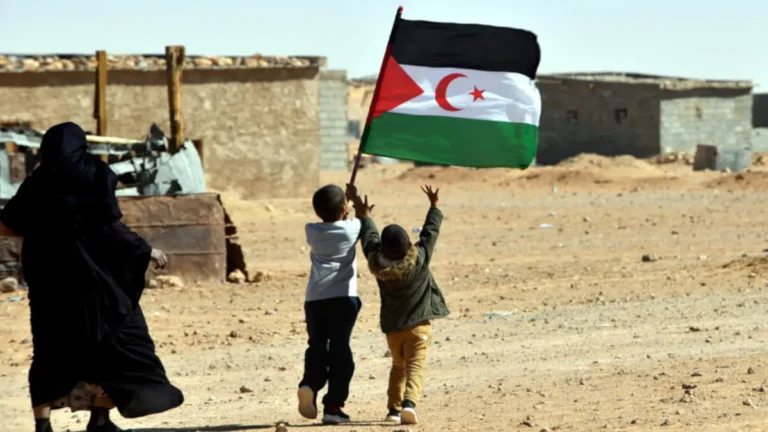
(FILE) The question of Western Sahara will occupy a new round of negotiations organized in Washington from 23 to 24 February 2026, Photo: AFP.
February 23, 2026 Hour: 3:48 pm
🔗 Comparte este artículo
The question of Western Sahara will occupy a new round of negotiations organized in Washington from February 23 to 24.
The United States, Morocco, and the Sahrawi Polisario Front return to the negotiating table this Monday, February 23, to address the Western Sahara conflict, with Algeria and Mauritania participating as observers, following the exploratory round held in Madrid earlier this month.
RELATED: Polisario Front Rejects Negotiations Legitimizing Moroccan Occupation of Western Sahara
According to internal sources consulted by the international press, the meetings will maintain the same ministerial format as the talks held on February 8 and 9 in the Spanish capital and will be conducted under strict confidentiality for security reasons and to facilitate dialogue.
This new round of talks is being directly promoted by Washington, following the resolution adopted by the UN Security Council in October 2025. This document urges the parties to negotiate based on Morocco’s proposal for autonomy for the former Spanish colony, while the Polisario Front maintains that sovereignty over Western Sahara belongs solely to the Sahrawi people.
The last preliminary talks in Spain concluded without substantive agreements, but established the roadmap for Monday’s meeting. At that time, Massad Boulos, senior advisor to U.S. President Donald Trump on Middle Eastern affairs, reaffirmed his country’s commitment to an alleged “just, lasting, and mutually acceptable” solution, although he suggested negotiating from Rabat’s colonialist position, which does not recognize the inclusion of Western Sahara as one of the 17 Non-Self-Governing Territories under the supervision of the UN Special Committee on Decolonization.
According to the White House discourse, Washington seeks to move beyond decades of stalemate toward a model that promotes regional stability, with the participation of high-level United Nations delegations to facilitate consensus.
Positions of the UN and the Polisario Front
Currently, Morocco controls 80% of the territory and maintains its autonomy plan, originally presented in 2007, as the only solution.
The Security Council resolution of October 31st marked a milestone by limiting the negotiation framework to the Moroccan proposal and omitting explicit references to the referendum on self-determination contemplated in the original United Nations Mission for the Referendum in Western Sahara – MINURSO mandate (1991).
This draft, written by the U.S., has generated conflicting positions: while the U.S. and Morocco advocate for a pragmatic political solution based on autonomy, the Polisario Front has rejected any process that “deprives the Sahrawi people of their inalienable right to self-determination.”
The Polisario warned that “unilateral approaches” that sacrifice international law for short-term political interests could exacerbate the conflict. Although he reiterated his willingness to engage in a peace process under the auspices of the UN, he emphasized that he would not endorse negotiations that legitimize what he considers a “military occupation” and deny the sovereignty of his people.
Text reads: “The Polisario Front stands up to the draft resolution of the United States 🇺🇸 and the Sahrawi people support this position with historic mobilizations in refugee camps: “The Polisario Front will not participate in any political process or negotiation based on proposals that aim to legitimize the illegal military occupation of Western Sahara and deprive the Sahrawi people of their inalienable right to self-determination and sovereignty of their homeland.”
Author: HGV - LVM
Source: Agencies