







Trump Under Pressure to Outline Exit From Iran War
Advisors urge Trump to outline an exit strategy as oil prices surge and Iran rejects negotiations.
Rising oil prices and ongoing conflict in Iran impact global markets and U.S. consumers. Photo: Al Mayadeen
March 10, 2026 Hour: 7:49 am
🔗 Comparte este artículo
Rising oil prices and political concerns push advisors to demand a clear strategy to end the conflict.
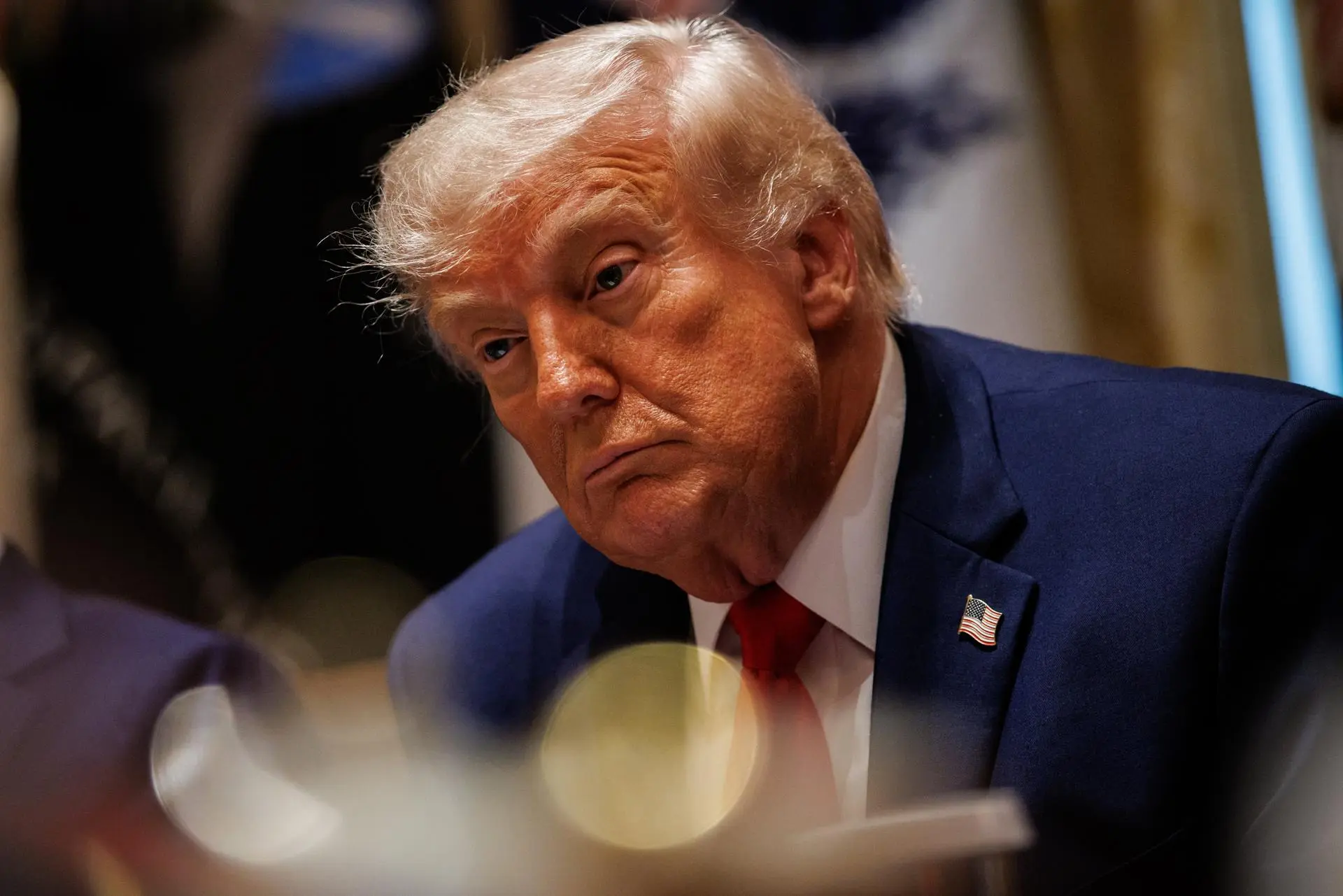
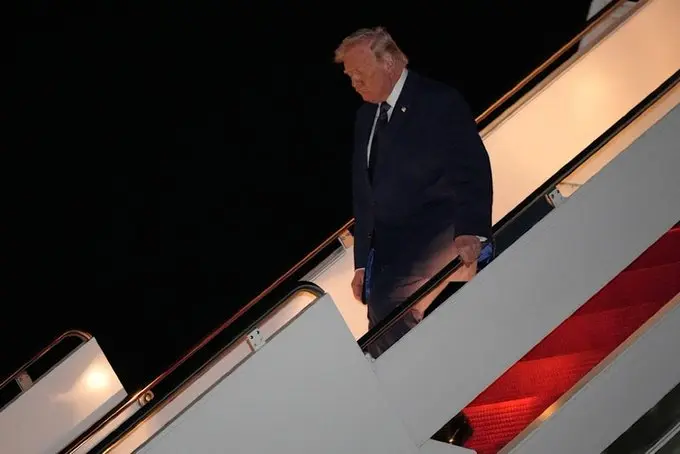
U.S. President Donald Trump is facing mounting pressure from some of his advisors to present a plan for ending the war on Iran, as rising oil prices and the political costs of a prolonged conflict intensify concerns within his administration.
RELATED: US Companies Sue Trump Over New 15% Tariffs
According to a report published Tuesday by The Wall Street Journal, Trump suggested the war could conclude soon, arguing that the operation has already achieved much of its objectives. Speaking to reporters in Florida on Monday, the president claimed the United States had advanced rapidly in the conflict.
“We’re way ahead of schedule,” Trump said, adding that he believed the war could be over “very soon”.
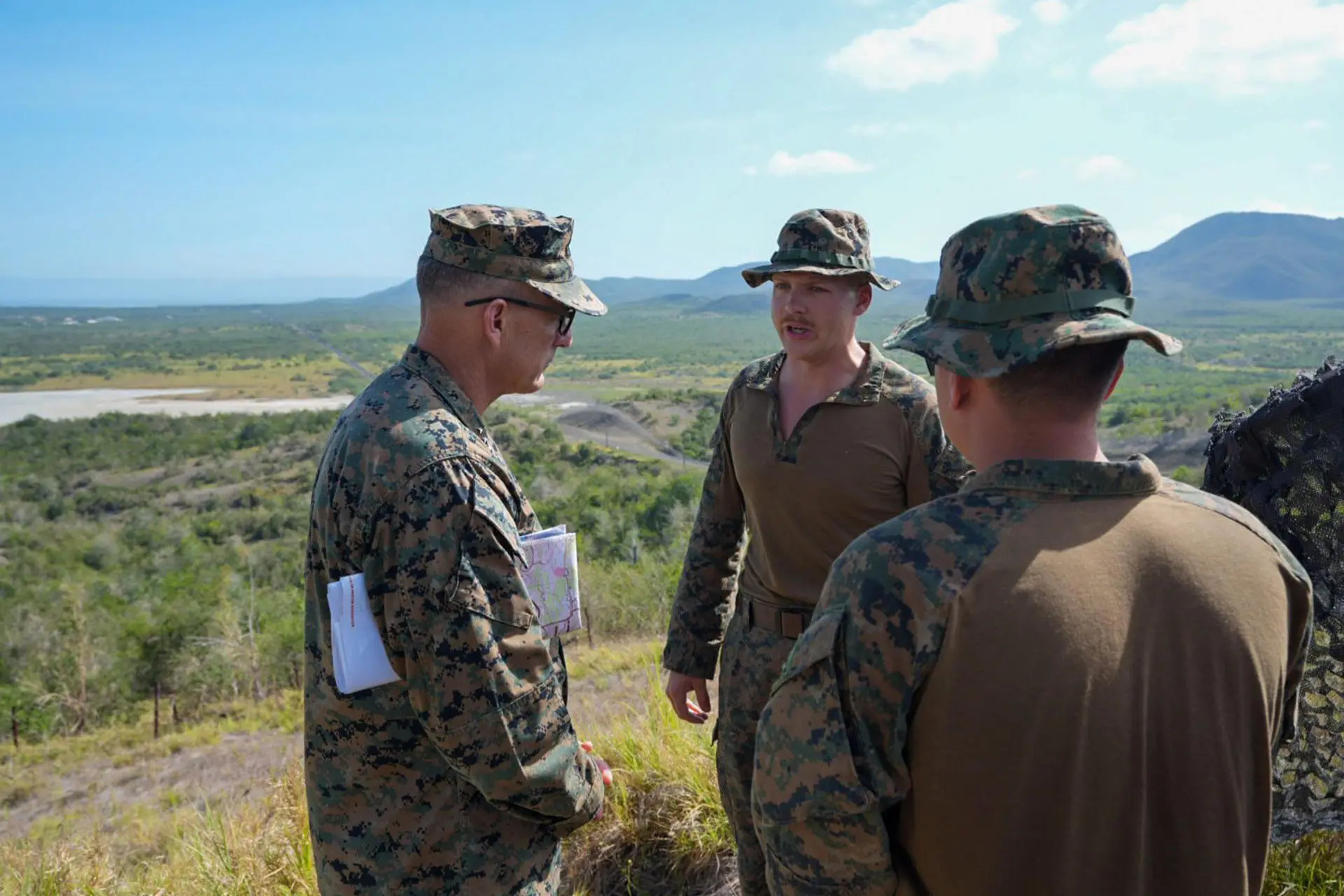
Despite those remarks, senior figures within the administration reportedly consider a rapid withdrawal unlikely under current conditions. Officials told the newspaper that continued Iranian attacks against U.S. positions and regional targets, along with “Israel’s” ongoing readiness to strike Iranian sites, complicate any effort by Washington to disengage from the conflict.
Trump also indicated that further military action remains possible if Iran interferes with global energy routes. He warned that the United States would continue targeting Iran should Tehran attempt to obstruct oil shipments passing through the Strait of Hormuz.
The war has triggered major disruptions in global energy markets and maritime transport after tanker traffic through the strategic waterway fell by around 90 percent, according to the analytics firm Kpler, which operates the MarineTraffic maritime tracking platform. The Strait of Hormuz normally handles about 20 percent of the world’s oil and liquefied natural gas shipments.
As a result of these disruptions, oil prices have surpassed 115 dollars per barrel, fueling concerns in energy markets and among U.S. political actors about the economic impact of the conflict.
Inside the United States, consumers are already facing higher fuel costs. Americans are spending an additional 187 million dollars per day on gasoline compared with the previous week, before the start of the military escalation against Iran, the newspaper reported.
The report also noted that the U.S. economy remains more dependent on oil than other developed economies. Crude consumption intensity in the United States is roughly twice that of the European Union and about 40 percent higher than in China. Analysts attribute this partly to weaker public transportation systems and lower levels of electric vehicle adoption.
Behind the scenes, several advisors have encouraged Trump to publicly outline a path toward ending the war, arguing that the U.S. military has already achieved significant operational gains. Their concerns come as oil prices rise above 100 dollars per barrel, increasing anxiety among Republican allies about the potential economic consequences of the war and its possible effects on upcoming elections.
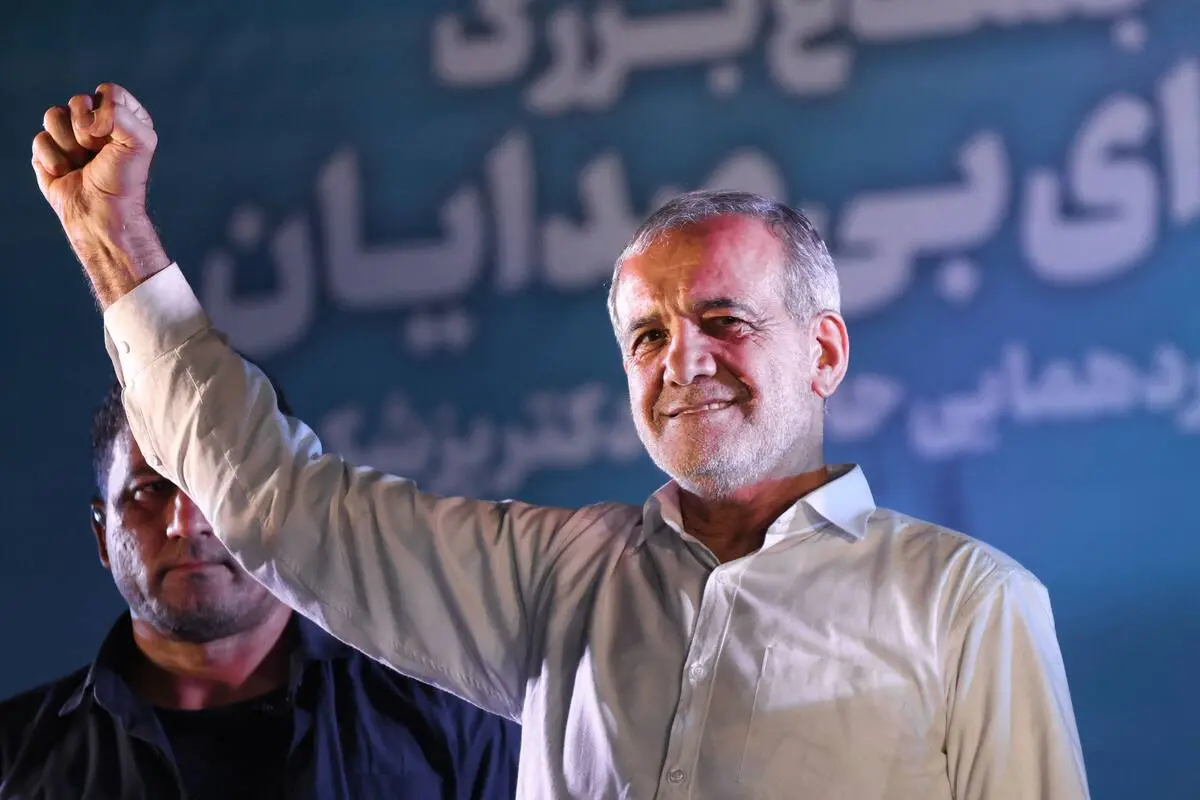
Meanwhile, Iranian Foreign Minister Abbas Araghchi ruled out negotiations with Washington. In an interview with the U.S. broadcaster PBS, he stated that “the issue of dialogue or negotiations with the Americans will not return to our agenda, as we have a very bitter experience when it comes to negotiating with them.”
Araghchi also reaffirmed Iran’s willingness to continue missile attacks against its enemies and accused the United States of carrying out strikes on civilian infrastructure and residential areas during the conflict.
The statements highlight the widening gap between Washington and Tehran as the war continues to affect global energy markets and regional security dynamics.
Author: MK
Source: Al Mayadeen