


World Cup 2026: U.S., Mexico, Canada Enforce Airport Ebola Screenings
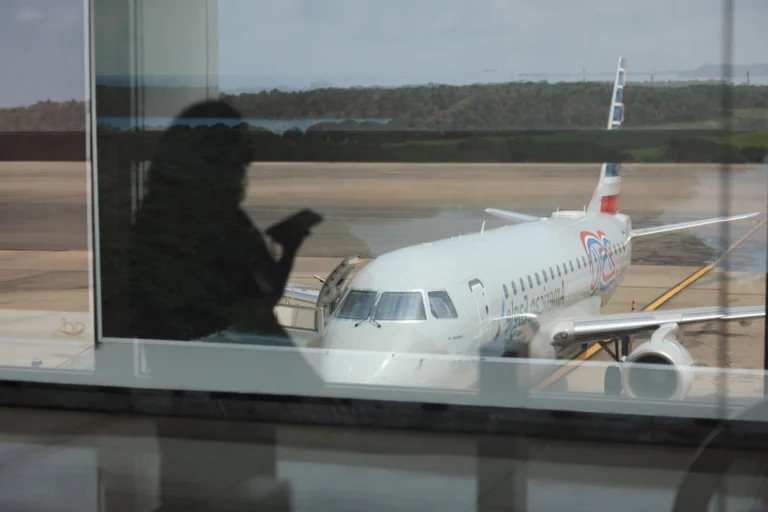
U.S. had previously barred non-citizens who had traveled to the DRC, Uganda, or South Sudan in recent weeks. Photo: EFE.
May 29, 2026 Hour: 9:34 pm
🔗 Comparte este artículo
The host nations of the FIFA World Cup 2026 implemented coordinated health screenings and strict travel restrictions at major airports to prevent the domestic spread of the deadly Ebola virus.
The World Health Organization (W.H.O.) declared the Ebola outbreak in the Democratic Republic of the Congo (DRC) a public health emergency of international concern on May 17. This lethal epidemic has already caused the tragic deaths of more than 4,000 people in Central Africa, prompting immediate global action to prevent cross-border transmission during the upcoming international football tournament.
In response to the crisis, the three World Cup host nations released on May 28 a joint statement emphasizing that regional public health remains their absolute priority.
RELATED: Mexico is Willing To Host Iran’s Team During the 2026 World Cup
As part of these unified protocols, the John F. Kennedy International Airport in New York initiated rigorous diagnostic screenings, joining other major hubs such as Washington Dulles, Atlanta Hartsfield-Jackson and Houston George Bush in executing comprehensive thermal checks.
According to official directives, travelers originating from the Democratic Republic of the Congo, South Sudan and Uganda must undergo thorough physical examinations at these entry points. The Centers for Disease Control and Prevention (CDC) confirmed that medical personnel will evaluate all arriving passengers from these nations, regardless of their nationality or legal immigration status, to ensure complete epidemic containment.
These rigorous airport protocols leverage existing infrastructure established during previous global health crises. Authorities designed these mechanisms to quickly isolate symptomatic travelers, minimizing the risk of local outbreaks in host cities preparing to receive millions of foreign football fans, while maintaining absolute operational readiness across all terminals.
Border Restrictions
The United States expanded its entry prohibitions this Friday to include green card holders who visited any of the three affected African countries within the past 21 days. This policy follows previous federal bans enacted against non-citizens. Concurrently, Canada implemented a strict 90-day entry ban starting Wednesday for all residents traveling from these high-risk territories.
In Mexico, the Secretary of Health, David Kershenobich, last Monday announced rigorous epidemiological detection measures at national airports. Kershenobich urged the population to avoid traveling to the Democratic Republic of the Congo and decreed a mandatory 21-day quarantine for any person arriving from the active outbreak zones to secure domestic epidemiological stability.
Following these state mandates, the domestic airline Viva Aerobus suspended boarding rights for international passengers who visited the affected African nations in the preceding 21 days. This temporary sanitary policy, which excludes Mexican passport holders and legal residents, will remain active for an initial period of 60 days to bolster national defense lines against the global threat.
The public health agencies of all three countries continue to share real-time epidemiological data to optimize border controls, manage potential quarantines, and ensure safe travel environments during the global sporting event.
Author: Laura V. Mor
Source: Agencies