







Trump Announces Israeli Strike Suspension Against Lebanon After Iranian Warning
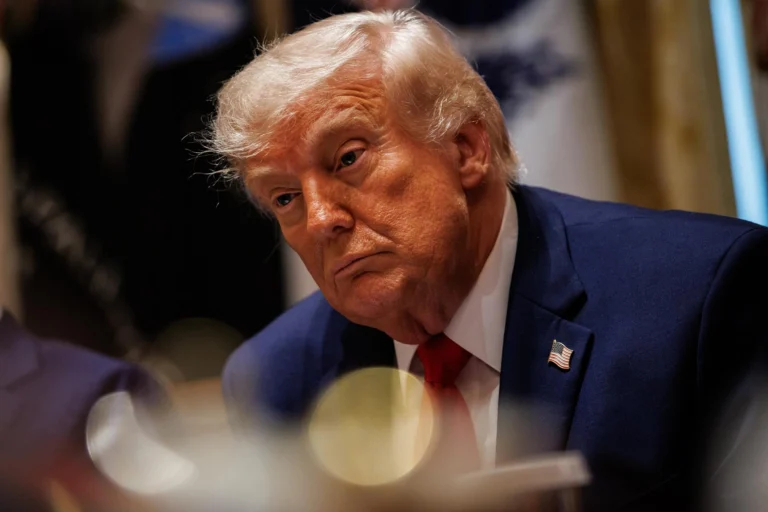
The Israeli escalation violates the ceasefire between Tehran and Washington, but it also risks the peace talks that Israel and Lebanon plan to hold this Tuesday in the U.S. capital. Photo: EFE.
June 1, 2026 Hour: 10:18 pm
🔗 Comparte este artículo
U.S. President Donald Trump announced this Monday the suspension of Israeli military operations against the Lebanese capital after Iran warned it would respond to any new aggressions.
Israel suspended a planned military attack on Beirut on June 1st, following Iranian warnings of immediate retaliation for any further violations of the regional ceasefire.
The sudden decision by the Israeli regime to back down from its planned military incursions in the Lebanese capital followed intense warnings from Tehran.
The Iranian Government stated it would not tolerate any new wave of aggression violating the active agreements. U.S. President Donald Trump confirmed the halt, which occurred amidst soaring regional tensions and direct threats of a symmetrical response from the Iranian Armed Forces.
RELATED: Iran Halts Message Exchanges With U.S. Over Israel’s Actions in Lebanon
This military de-escalation followed a crucial warning issued by the Khatam al-Anbiya Central Headquarters, Iran’s central military command. The command issued a statement urging Israeli settlers living in the northern occupied Palestinian territories to evacuate their settlements immediately to avoid harm.
Iranian military leaders emphasized that their forces are prepared to execute heavy retaliatory strikes against the Zionist entity to defend the Lebanese people from ongoing acts of aggression.
According to official figures released by the Lebanese Ministry of Health, the human cost of the Israeli occupation remains devastating. At least 3,412 people have been killed and more than 10,000 injured in Lebanon since March 2, 2026. This ongoing violence has threatened to collapse the diplomatic understanding established between Washington and Tehran, raising international concerns over a wider regional conflict.
Ceasefire Under Direct Threat
The escalating actions of the Israeli military directly jeopardize the ceasefire agreement negotiated through Pakistani mediation on April 8.
Iranian Foreign Minister Abbas Araghchi reiterated on Monday that the truce is comprehensive. Araghchi warned that the agreement demands a total cessation of hostilities across all fronts, including Lebanon. Consequently, the Iranian diplomat clarified that any singular violation on any front will be treated as a complete breach of the broader bilateral agreement with the United States.
U.S. President Donald Trump shared details of the diplomatic intervention through his social media platform, Truth Social. Trump revealed he conducted a highly critical phone call with Israeli Prime Minister Benjamin Netanyahu, who had previously authorized the airstrikes on the southern suburbs of Beirut, including the Dahiyeh district. Trump declared that no American troops would be deployed to Beirut and confirmed that military forces already en route had been ordered to withdraw.
Despite Trump describing the communication as productive, United States media reported a highly tense exchange. Sources indicated that Trump utilized vulgar language to express his severe displeasure regarding Netanyahu’s unilateral military choices. The scheduled peace talks between Israel and Lebanon, set to take place on Tuesday, June 2, in Washington, were put at extreme risk by the Israeli regime’s persistent attempts to expand its operations.
Parallel Backchannel Negotiations Disclosed
In addition to pressuring Netanyahu, Trump claimed to have negotiated a parallel understanding with the Lebanese Resistance Movement Hezbollah. Through high-ranking representatives, Trump reportedly held a direct phone call with Hezbollah leadership. The resistance organization allegedly agreed to cease its attacks on Zionist military bases and troop concentrations, operating under the strict premise that the Israeli military will not initiate any further strikes against their positions.
While these backchannel negotiations continue, regional critics note that the truce has historically allowed the Zionist entity more time to carry out massacres against Lebanese civilians. The upcoming diplomatic meetings on Tuesday in Washington remain crucial.
Author: Laura V. Mor
Source: Agencies