


Sheinbaum denounces paid digital operation behind the “March of Generation Z”
Mexican President stresses that there are young people with legitimate demands, but stressed the importance of identifying who is really organizing the mobilization
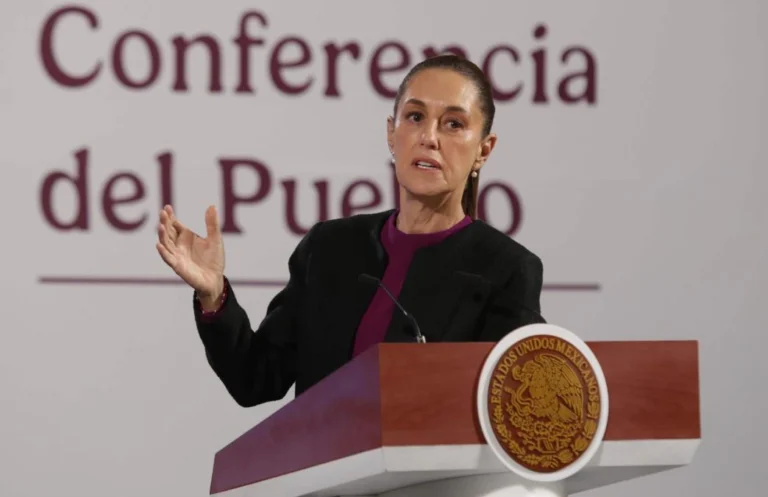
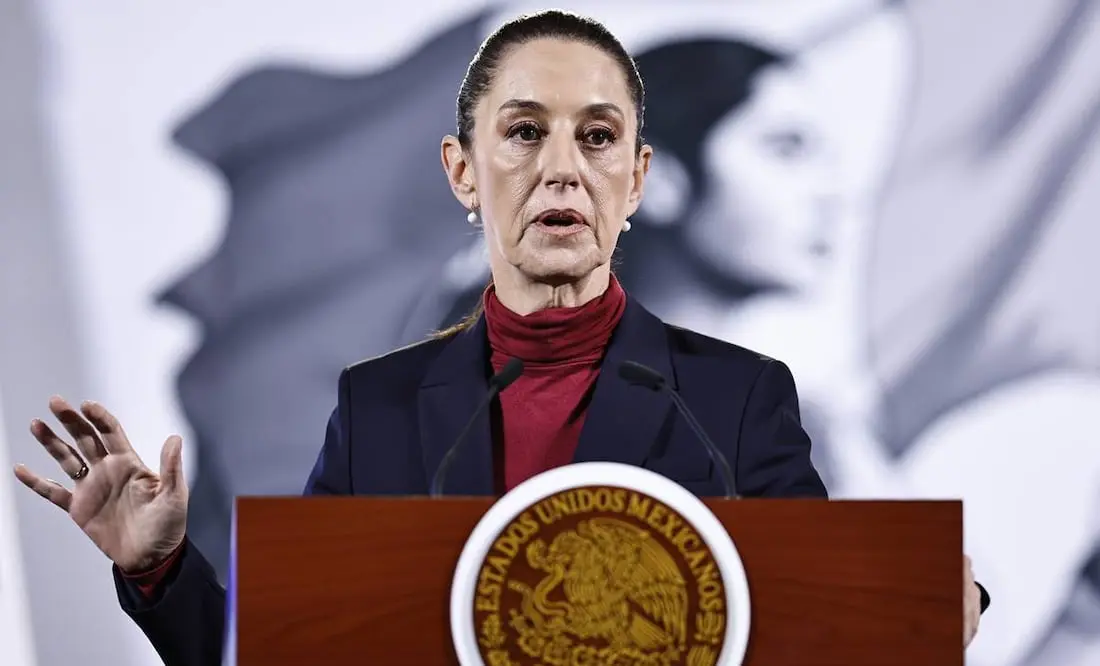
For now, the information presented points to an operation with local and foreign actors that seeks to influence the public debate. Photo: EFE
November 14, 2025 Hour: 6:03 pm
🔗 Comparte este artículo
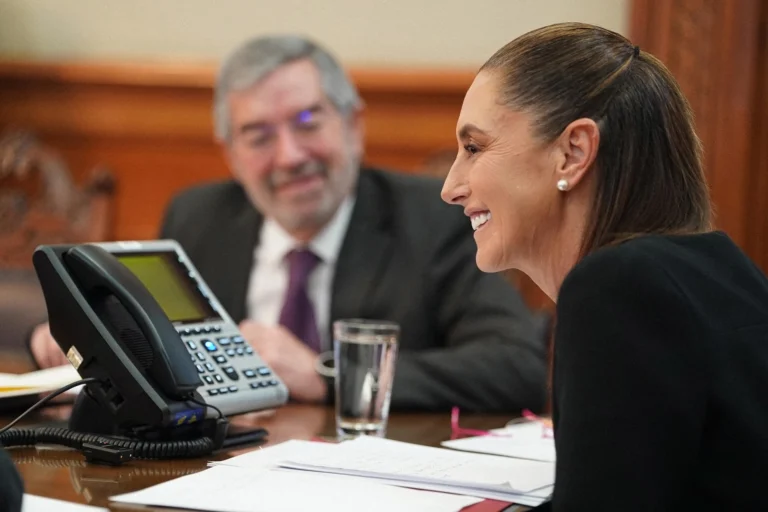
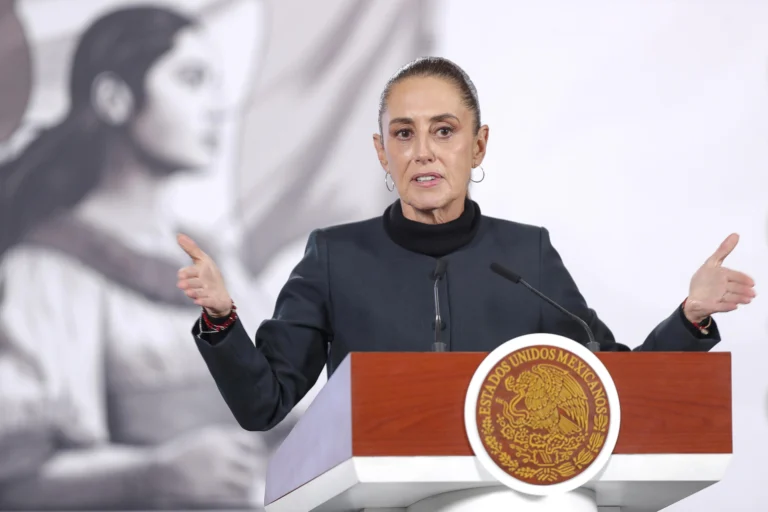
The president of Mexico, Claudia Sheinbaum, said that the call for the march on November 15, disseminated under the name of “Generation Z”, does not have a genuine origin, but is part of a paid digital strategy, promoted from abroad and linked to international right-wing networks. The information was presented this Thursday during his morning conference at the National Palace.
RELATED:
Sheinbaum assures that “U.S. attacks against cartels in Mexico will not happen”
Sheinbaum stressed that there are young people with legitimate claims, but stressed the importance of identifying who really organizes the mobilization and how external structures that seek to intervene in Mexican politics through digital campaigns operate. According to an analysis prepared by the government team about this campaign articulated from abroad, the expenditure on promotion on social networks exceeded 90 million pesos between October and November. That figure does not correspond to a spontaneous movement, denounced the Executive.
During the press conference, Miguel Ángel Elorza Vázquez, coordinator of Infodemia, presented a report that links the call with the Atlas Network, an organization accused of financing disinformation campaigns against progressive governments in Latin America.
The study carried out by the Public Broadcasting System identified that the campaign was structured from recently created accounts, managed in part from Spain, the US and Bolivia, and that they used artificial intelligence to produce content.
Elorza explained that the account “Generación Z-MX”, presented as non-partisan, has a history of publications aligned with opposition figures from Mexico and the region, and resumed activity on the eve of the call for the march, scheduled for this Saturday. According to the analysis, 179 accounts on TikTok and 359 communities on Facebook promoted the mobilization in a synchronized manner, with a digital behavior that Infodemia described as inorganic and highly coordinated. At least 28 administrators of these pages are located outside the country.
The report also detected the participation of politicians, communicators and influencers linked to conservative sectors, including former President Vicente Fox, businessman Claudio X. González, Alessandra Rojo de la Vega and businessman Ricardo Salinas Pliego, as well as digital promoters from Argentina, Venezuela and the United States associated with information manipulation campaigns. According to Elorza, these actors would have promoted content that sought to attribute the mobilization to an alleged spontaneous youth wave.
The Mexican government maintains that the operation is part of a transnational network that tries to intervene in political processes through digital strategies, a practice that has already been documented in other countries in the region.
In the report presented, Infodemia recalled that similar campaigns have accompanied protests led by sectors of Generation Z in Latin America, Asia and other continents, where external organizations have sought to influence youth movements by taking advantage of their presence on digital platforms.
In the teleSUR article, Generation Z, Quo vadis?, it is explained that Generation Z, despite its capacity to mobilize, faces inequalities in education, technological access and political participation, which makes it a sector more vulnerable to disinformation strategies and external operations.
The article points out that, although young people between the ages of 15 and 27 have been at the forefront of mass protests – such as in Nepal, Peru or Sri Lanka – the lack of ideological cohesion and the strong dependence on the digital ecosystem have allowed external actors to influence their organization.
According to cited research, this sector combines environmental concerns, economic pressure, and crisis of representation, but its political activity depends largely on narratives that circulate on social networks, where both authentic communities and coordinated campaigns operate.
International media such as the Wall Street Journal or the New York Times have shown that exposure to fake news is greater among young people with less digital training, especially in contexts where algorithms prioritize content that appeals to immediate emotions.
Mexican authorities pointed out that the call for November 15 is part of this global scenario. Elorza said that the operation detected “is a mobilization built with bots, coordinated accounts and external financing,” while Sheinbaum reiterated that the Government respects all youth expressions, but considered it necessary for citizens to know “who is behind this strategy and for what purposes.”
The Presidency confirmed that digital analyses will continue to clarify the structure of the campaign and its international links. For now, the information presented points to an operation with local and foreign actors that seeks to influence the Mexican public debate through artificial amplification strategies, in a context in which digital youth movements have acquired relevance in the political scenario.
Author: HGV
Source: Agencias