


3 Critical Developments in the Rising Houthi Missile Attacks Threatening Regional Stability
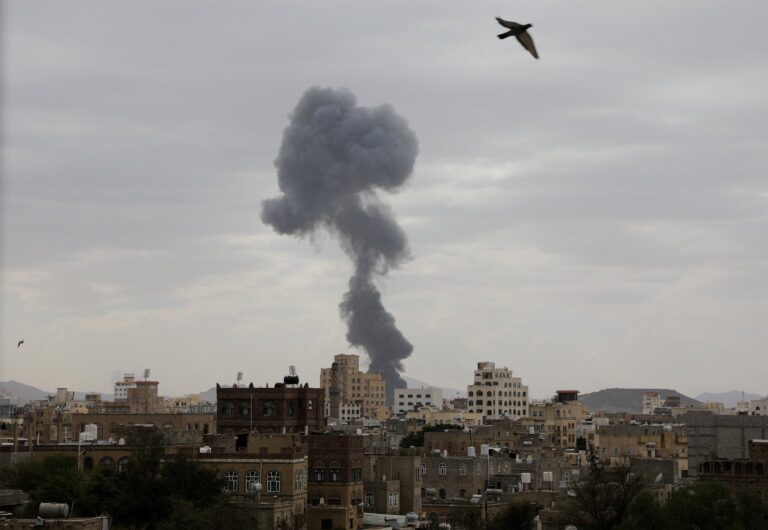
Houthi missile attacks target Ben Gurion airport amid the escalating Gaza humanitarian crisis. Photo: Perplexity
August 17, 2025 Hour: 1:56 pm
🔗 Comparte este artículo
The rising Houthi missile attacks on Israel’s Ben Gurion airport highlight escalating Middle East tensions amid Gaza conflict. International alerts intensify.
Focus Keyword: Israel Confirms Strike on Sana’a Energy Infrastructure Amid Houthi Tensions
7 Critical Developments in the Rising Houthi Missile Attacks Threatening Regional Stability
The Houthi missile attacks targeting Israel’s largest airport, Ben Gurion, have intensified once again, marking a pivotal escalation in regional tensions. This latest assault, launched by the Yemen-based rebel group known as Ansar Allah or Houthis, underscores the expanding footprint of the Middle Eastern conflict, particularly in solidarity with the Palestinian cause in Gaza. Since October 2023, Israel’s severe military offensive in Gaza has elicited numerous reactions across the region, with the Houthis emerging as a formidable actor projecting their power beyond Yemen’s borders.
Renewed Houthi Missile Attacks and Maritime Operations Amplify Regional Conflict
This Sunday, the Houthis reported launching another missile strike against Ben Gurion airport, Israel’s main international gateway. The group used its social media platforms to justify the attack as a “legitimate response” to what it calls an “unprecedented genocidal crime” committed by Tel Aviv against Palestinians in Gaza.
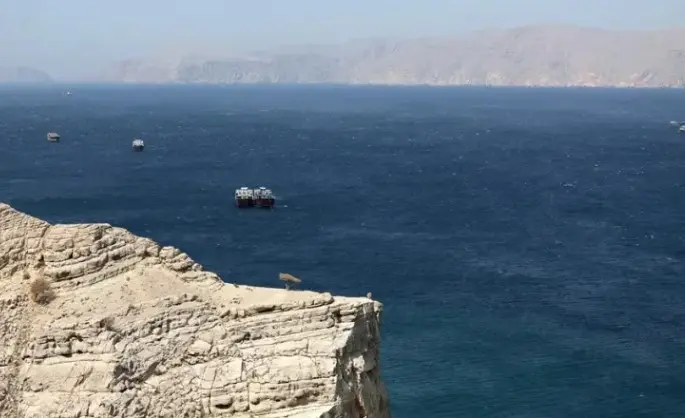
Beyond missile launches, the Houthis have stepped up their operations in maritime zones including the Red Sea, Gulf of Aden, and Arabian Sea, targeting vessels from countries they accuse of trading with Israeli ports. This naval pressure aims to isolate Israel economically and strategically, extending the conflict’s reach to crucial international waterways.
The increased frequency and scope of these attacks solidify the Houthis as a significant insurgent force with growing regional influence. Their expanding operations add complexity to the already volatile Israeli-Palestinian conflict and signal broader geopolitical shifts in the Middle East.
- United Nations Security Council Reports – https://www.un.org/securitycouncil/
- International Maritime Organization (IMO) Updates – https://www.imo.org/
- Reuters Coverage of Middle East Conflicts – https://www.reuters.com/news/archive/middleeast
Houthi Missile Attacks: Implications for Middle East Stability
The sustained bombardment of Israeli targets by the Houthis is part of a broader pattern of solidarity with the Palestinian resistance in Gaza. Since the onset of Israel’s military offensive in October 2023, which has provoked widespread humanitarian crises, groups such as Ansar Allah have responded with external attacks, complicating an already fragile regional security landscape.
Israel’s defense forces remain on high alert with both aerial and maritime systems activated to counter the threat. Meanwhile, the international community continues to monitor these escalations closely, urging restraint and advocating peaceful solutions to prevent further bloodshed.
The intensification of Houthi missile attacks represents not only a security challenge for Israel but also a potential spark for wider regional conflict. Instability in Yemen, combined with the volatile Israeli-Palestinian dispute, risks entangling multiple actors and exacerbating geopolitical tensions throughout the Middle East.
Geopolitical Context: Broader Regional and Global Implications of Houthi Missile Attacks
The emergence of the Houthis as a proxy actor capable of striking Israeli soil highlights shifting power dynamics in the Middle East. Their strategic positioning along major shipping routes—the Red Sea and Gulf of Aden—equips them with leverage to influence maritime trade critical to global markets.
These developments echo wider regional rivalries, including Iran’s backing of the Houthis, which intensifies sectarian and political fault lines involving Saudi Arabia, Israel, and other actors. The repeated missile attacks and maritime harassment underscore the increasing complexity of the conflict and emphasize the urgent need for coordinated international diplomacy to avoid escalation.
Failure to contain the conflict risks an expanded war front that could destabilize global oil supplies, international commerce, and peace prospects in the region. Strong diplomatic and humanitarian intervention is thus essential to navigate the fragile situation.
Author: JMVR
Source: Al Mayadeen- RT