Lebanon Reports $512 Million in Environmental Damage from Israeli Attacks
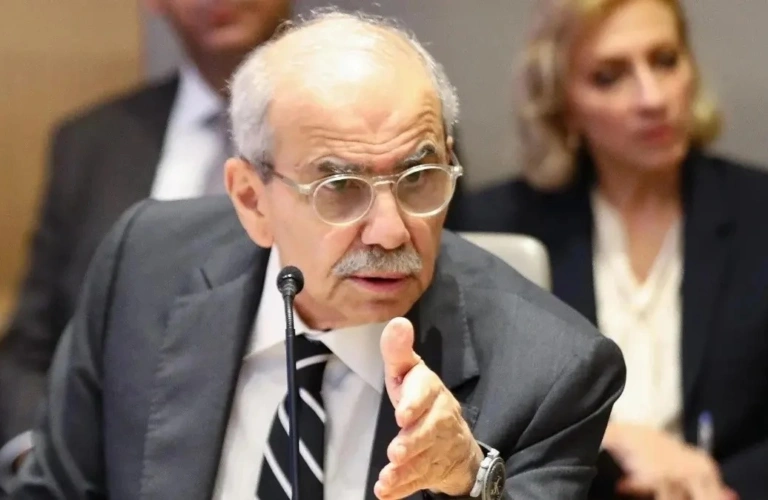
Prime Minister Nawaf Salam calls at COP31 to integrate ecological restoration in the reconstruction of the country after the Zionist aggressions. Photo: NNA.
November 12, 2026 Hour: 4:10 pm
🔗 Comparte este artículo
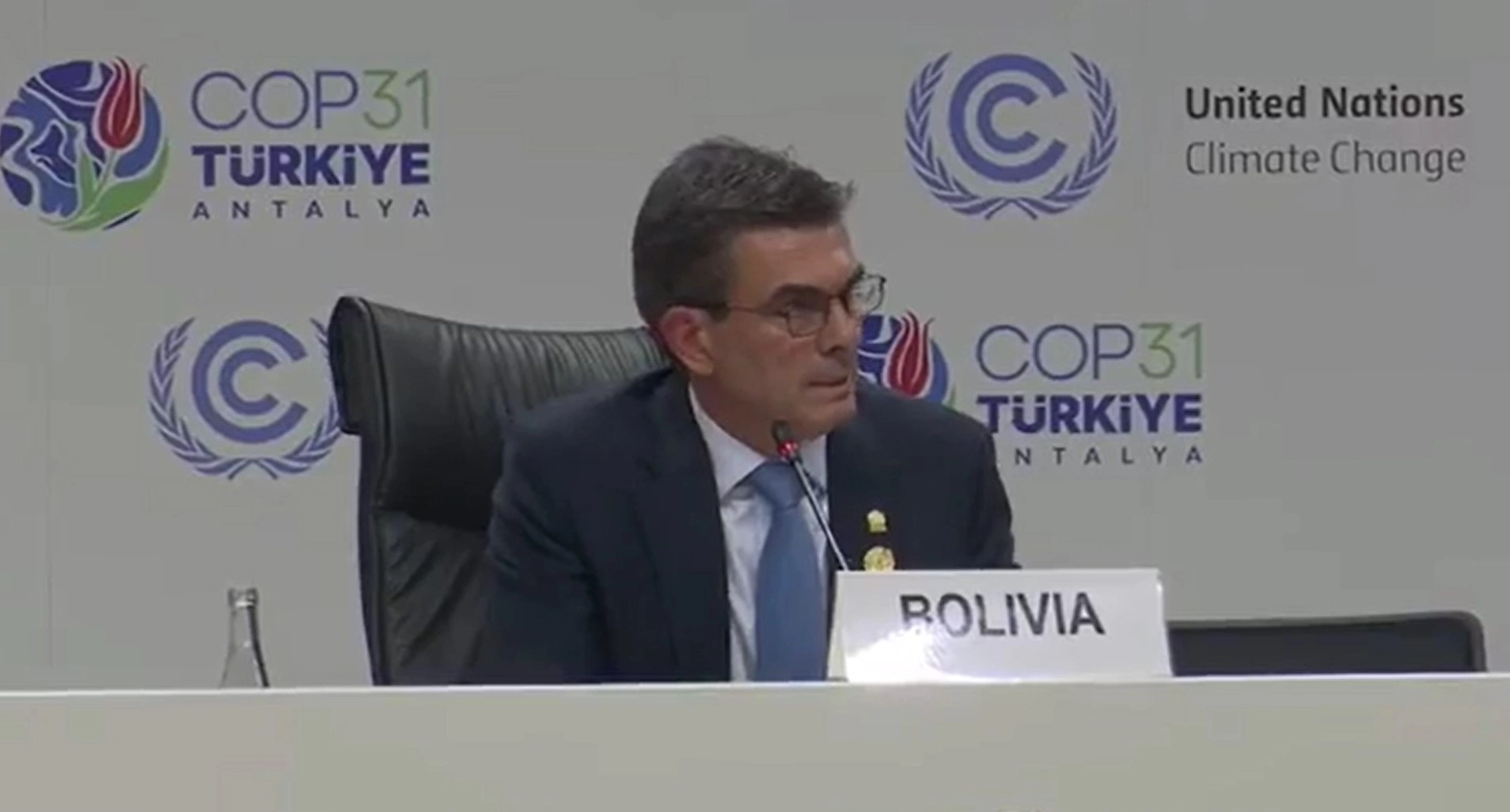
Lebanon’s Prime Minister Nawaf Salam told the COP31 climate summit in Türkiye on Thursday that Israeli military attacks caused more than 512 million dollars in environmental losses between 2023 and 2024, with additional ecological damage recorded during 2026.
Lebanese PM Nawaf Salam delivered the assessment before world leaders gathered at the UN climate conference, which opened on Monday and runs through November 20. The summit’s central goal is to define climate financing mechanisms and strategies for adapting to global warming.
The Prime Minister said successive wars, compounded by years of deep economic crisis, have devastated farmland, forests and ecosystems across the country.
RELATED: African Leaders Call for Concrete Action on the Climate Crisis at COP31
Salam argued that the attacks violate international humanitarian law and will compromise the livelihoods of affected communities for decades to come.
Beirut is using the forum to move ecological repair into the center of its national reconstruction agenda. Salam insisted that recovery cannot be reduced to rebuilding destroyed houses and roads. The damage, he said, runs through the ground itself.
War’s Ecological Toll
The human cost is staggering. Since hostilities escalated in October 2023, Israeli strikes on Lebanese territory have killed more than 4,000 people and wounded more than 16,600, according to the figures Lebanese officials presented. More than one million people were forcibly displaced.
The environmental ledger is equally severe. Thousands of hectares of forest and farmland were burned through the use of incendiary munitions. Salam noted that military offensives also produced further ecological harm during 2026, adding to the 512 million dollars quantified for the previous two years.
Agricultural soils, forests and biodiversity absorbed what the Prime Minister described as profound devastation. He warned that the destruction threatens food production and rural livelihoods, compounding an economic crisis that already constrained the country’s capacity to respond. Attacks that wreck ecosystems and farmlands, he argued, breach international humanitarian law and leave communities exposed for generations.
Rebuilding With Nature
Salam called for environmental restoration and climate resilience to become foundational pillars of Lebanon’s broader reconstruction. He urged financial plans to include the urgent recovery of farmland soils and the full reactivation of biodiversity damaged by bombardment.
The Prime Minister connected ecological recovery to political stability, the complete restoration of national sovereignty and strict respect for international norms. Beirut is seeking technical and financial support to reverse the deterioration of its natural resources after the Israeli attacks.
The conference, hosted on Türkiye’s southern coast, has drawn attention to how conflict and climate intersect. Lebanon’s intervention aims to ensure that reconstruction funding mechanisms address ecological recovery as a distinct and urgent line of spending.
By raising the issue at COP31, Lebanese authorities want to place the environmental impact of armed conflict on the negotiating agenda for climate change and international cooperation.
The summit’s remaining days will test whether that call translates into concrete commitments. Beirut has made clear it expects the financial architecture under discussion in Antalya to recognize ecological destruction caused by conflict, not only the slow damage of a warming planet.
Author: Laura V. Mor
Source: Agencies