President of Bolivia Proposes the Environment as an Instrument for Peace
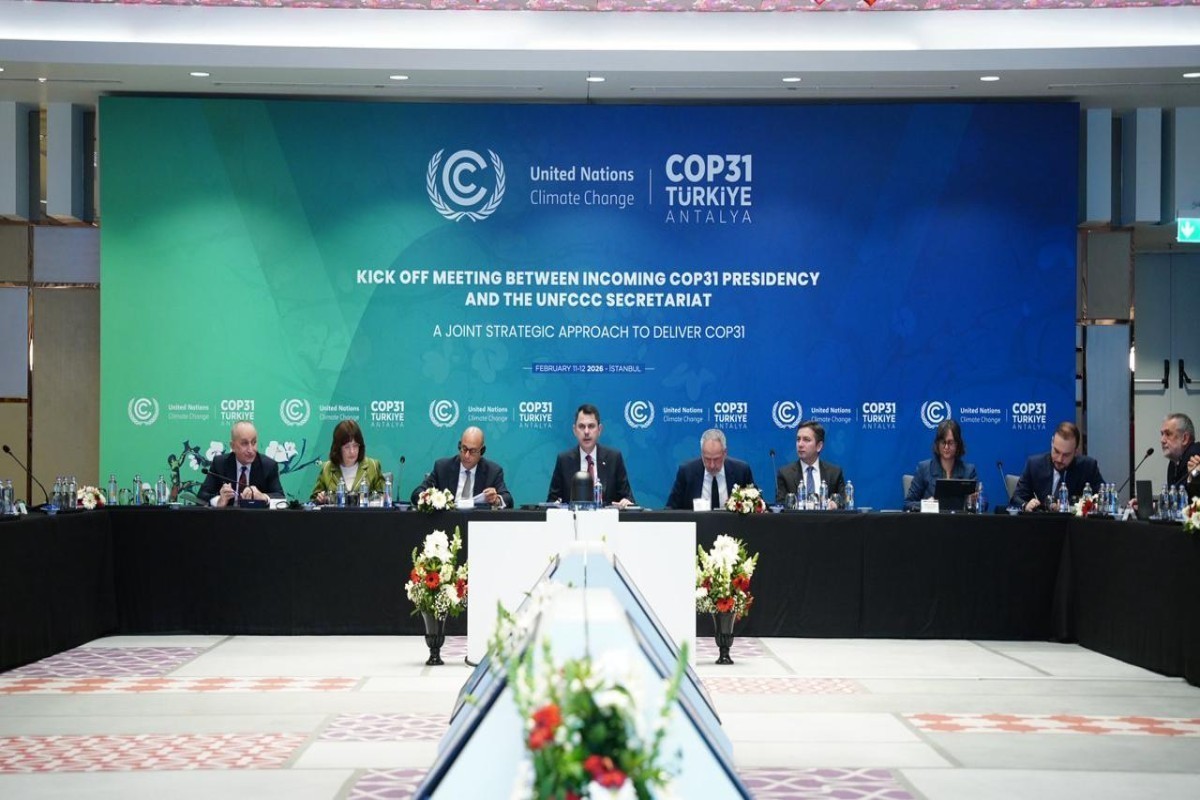
At COP31, Bolivian President Rodrigo Paz proposed that environmental protection can become an instrument for peace, development, and international cooperation.
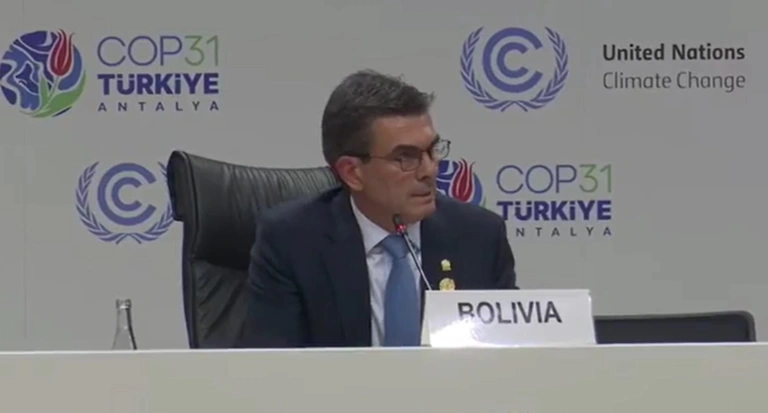
At COP31, President Rodrigo Paz proposed using environmental protection as an instrument for peace and international cooperation. Photo: boliviatv.bo
November 12, 2026 Hour: 10:07 am
🔗 Comparte este artículo
During his address at the United Nations Climate Change Conference (COP31), held in Antalya, Türkiye, this Thursday, Bolivian President Rodrigo Paz argued that the environmental agenda can serve as a meeting point for nations, even when political or ideological differences exist.
RELATED:
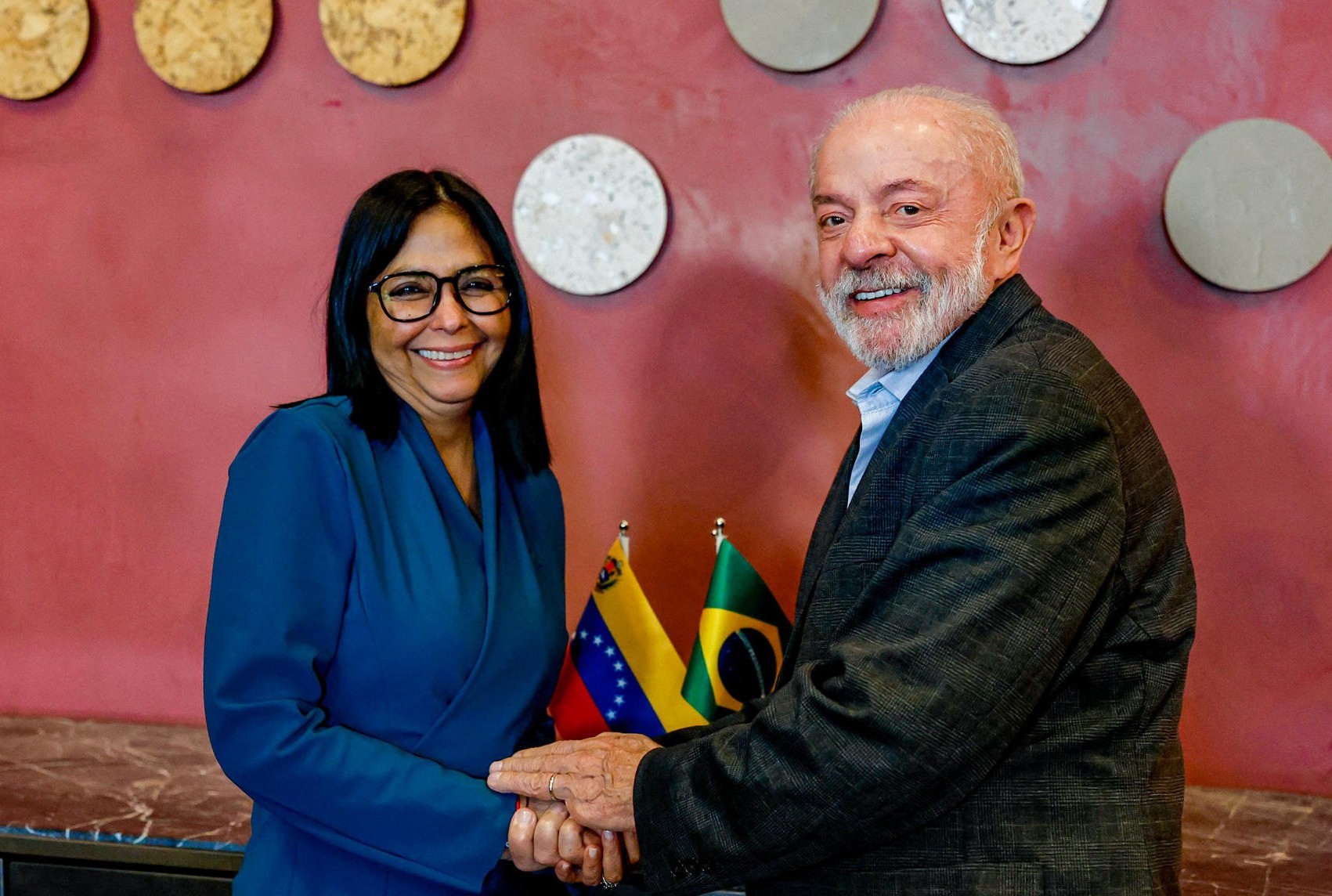
Venezuela and Brazil Resume High-Level Ties at COP31 Summit
“Let us use the environment as an instrument for peace,” the president stated, noting that the nature protection can offer a path toward resolving international conflicts.
The president also linked environmental conservation to economic development, asserting that caring for ecosystems can generate income, employment, and opportunities for communities.
Paz highlighted Bolivia’s strategic role in protecting water resources, forests, and biodiversity. He emphasized that the country’s proposals are tied to the Amazon and Río de la Plata river basins, with the goal of safeguarding forests, water sources, and the future of millions of people.
In this context, the president noted that Bolivia seeks a stronger international presence in defending its natural resources and promoting conservation initiatives.
Actions taken within the country include the approval of the National Biodiversity Conservation Strategy and its 2026–2030 Action Plan.
The president also mentioned two legislative bills concerning climate finance, biodiversity, and the regulation of carbon credits.
Furthermore, he highlighted ongoing work with the Guaraní communities of Charagua Iyambae, as well as the international promotion of Amazonian products such as Brazil nuts, açaí, and cacao.
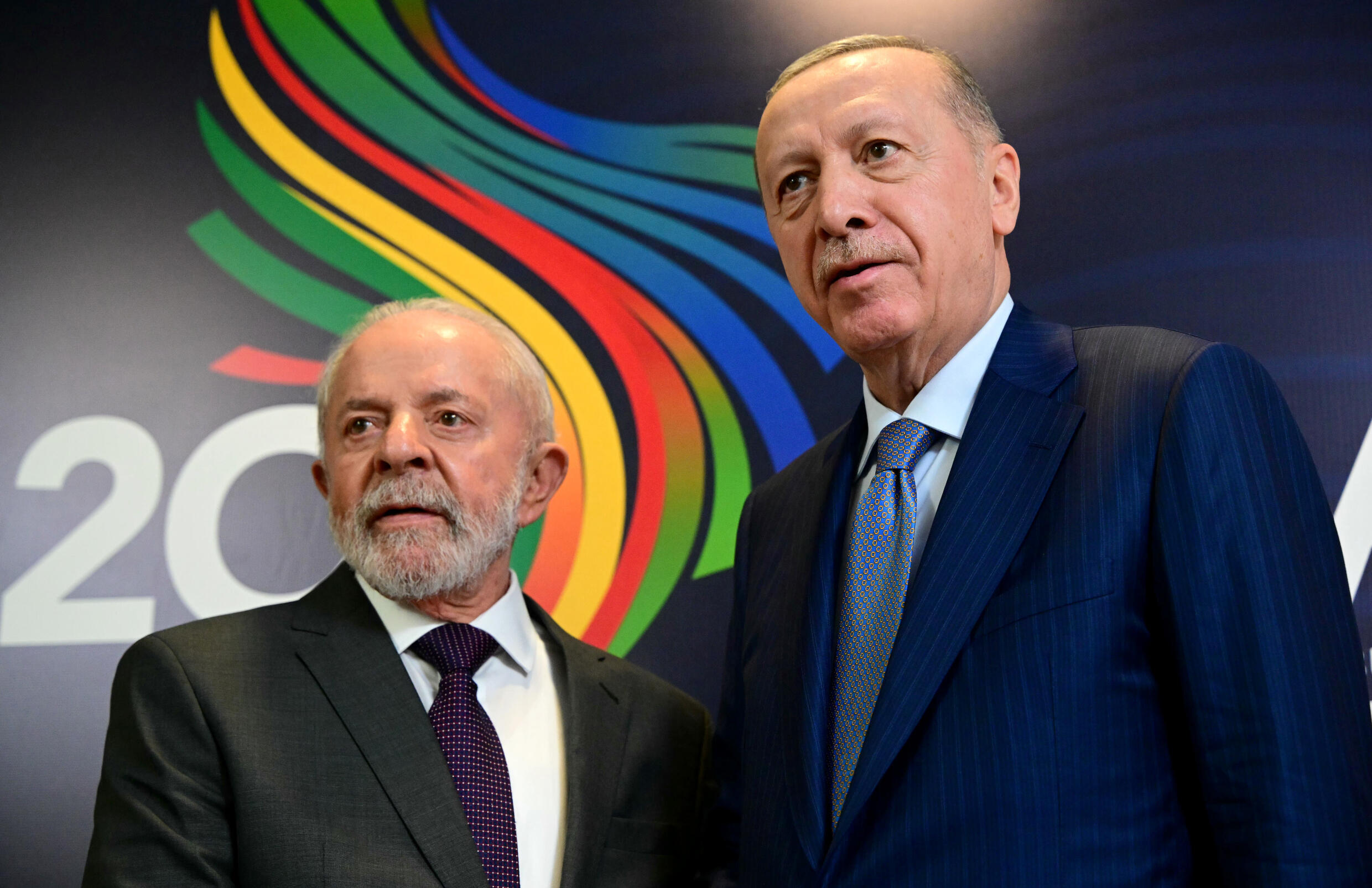
On the sidelines of the summit, Paz met with Brazilian President Luiz Inácio Lula da Silva and expressed Bolivia’s interest in joining the “Tropical Forests Forever” fund—an initiative spearheaded by the Brazilian government.
The proposal aims to strengthen regional cooperation regarding the protection of the Amazon, forests, and freshwater sources.
Brazil calls for placing climate change at the center of the global agenda
Brazilian President Luiz Inácio Lula da Silva urged the international community to place climate change at the heart of the global agenda during his address at COP31.
“In G7 and G20 meetings—forums that bring together the world’s largest greenhouse gas emitters—concern has given way to silence; we have shifted to talking more about weapons and tariffs than about the survival of future generations,” he stated.
He called for the continued implementation of the roadmaps established at COP30 in Belém, warning that a failure to meet current Nationally Determined Contributions (NDCs) is projected to lead to a 2.8-degree Celsius rise in global temperatures.
Among his priorities, he proposed securing $1.3 trillion annually to support adaptation and mitigation efforts in developing countries. He also advocated for the gradual replacement of fossil fuels with renewable energy, in line with the proposal put forward by the Brazilian delegation.
The president noted that the Tropical Forests Forever Fund (TFFF) is nearing the point of securing the investments required to begin its operations, which provide compensation for conservation efforts.
Furthermore, he maintained that environmental protection and economic growth can coexist. As an example, he pointed out that Brazil is on the verge of becoming the world’s eighth-largest economy, while having reduced its greenhouse gas emissions by 42 percent since 2005.
Domestically, Lula highlighted a 71 percent reduction in deforestation within the Brazilian Amazon between 2022 and 2026. He added that the Amazon Fund currently benefits three out of every four municipalities in the region.
However, the country’s energy policy remains the subject of debate, specifically regarding planned oil exploration 175 kilometers off the Amazonian coast, in the Equatorial Margin. The Brazilian administration defends this activity under the principle of energy sovereignty.
Author: HGV
Source: @turkiyecop31