UN Demands Climate Justice and Oil Tax at COP31
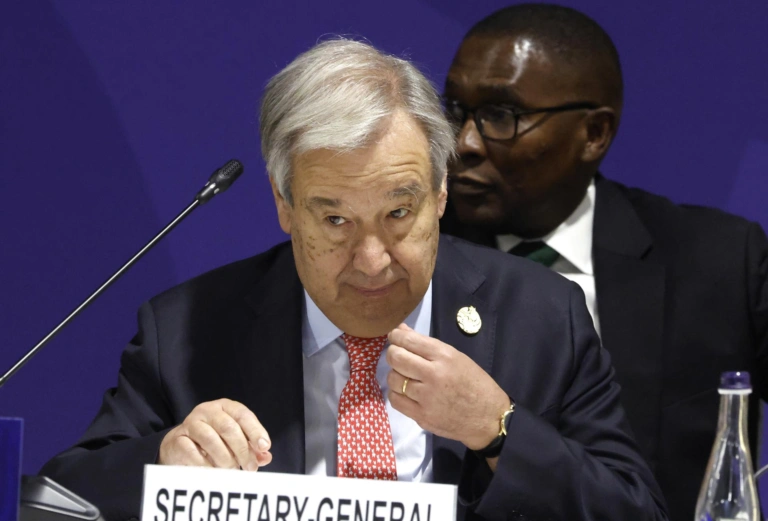
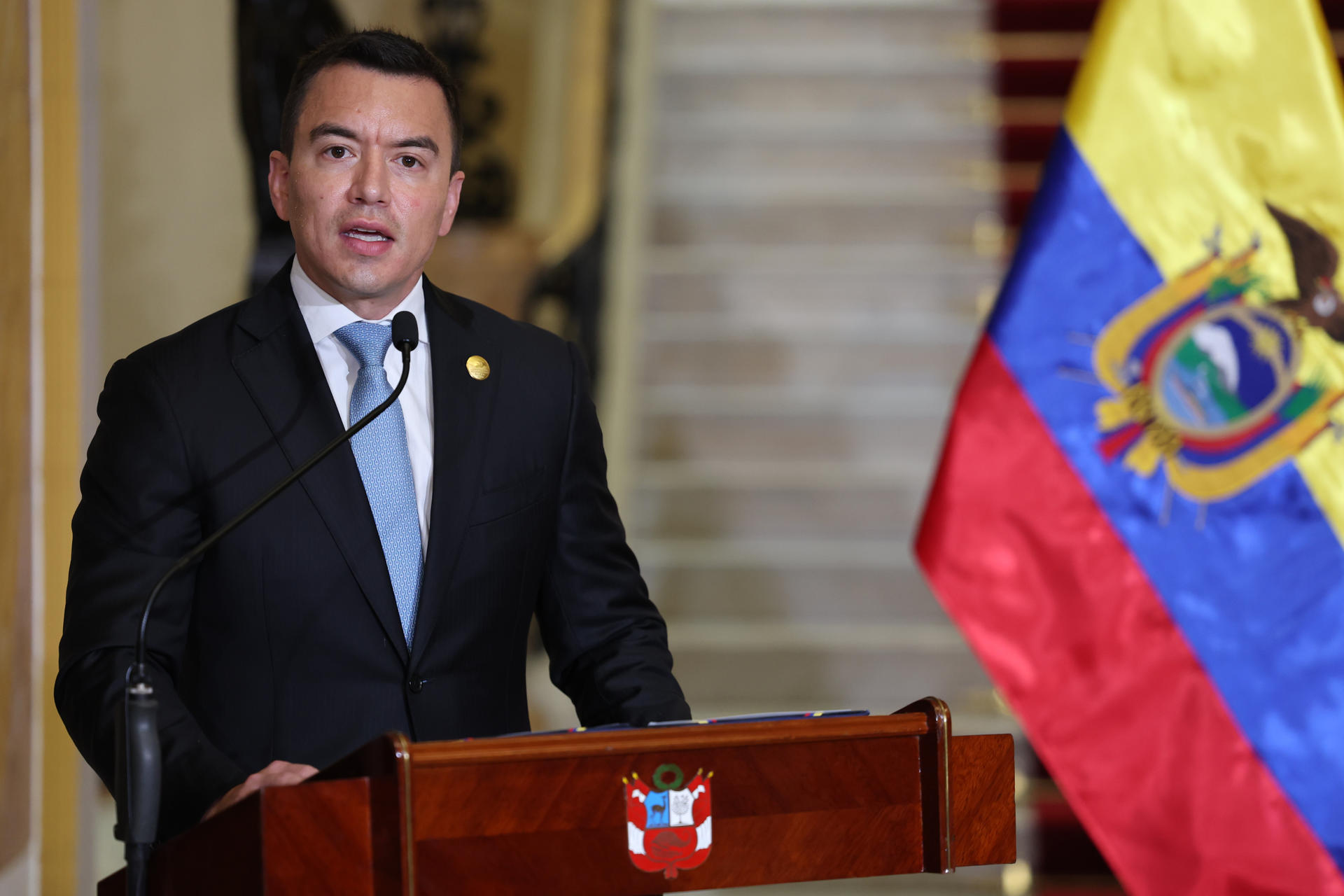
The UN highlighted that 90% of major renewable-energy projects are already cheaper than fossil fuels, a figure that reinforces the viability of the energy transition, despite corporate opposition to fossil-fuel extraction. Photo: EFE.
November 11, 2026 Hour: 5:31 pm
🔗 Comparte este artículo
The UN Secretary-General called on Wednesday for a Climate Justice Pact at COP31 in Antalya, Türkiye, proposing taxes on oil windfall profits and a tripling of renewable capacity by 2035.
Speaking at the COP31 Leaders’ Summit, Guterres said the pact should accelerate the phase-out of fossil fuels, protect vulnerable populations, secure adequate financing and strengthen multilateral cooperation in the face of geopolitical tensions. He affirmed that it must be grounded in shared responsibility, shared security and shared benefits.
The UN chief warned that the world must plan a just transition or pay the price in the form of chaos and lost livelihoods. In this sense, he cautioned that the planet’s current trajectory points toward a scenario of mutually assured destruction unless structural changes are made to the global energy model.
RELATED: COP31: Leaders’ Summit Moves Forward Amid Key Absences
“We need a new Climate Justice Pact, based on shared responsibility, shared security and shared benefits. Either we plan this just transition, or we will pay the price in the form of chaos and loss of livelihoods,” Guterres declared.
To keep warming below the critical 1.5°C threshold, Guterres set measurable targets. Global renewable generation capacity must triple by 2035 compared with 2025 levels, he said, while the use of coal without mitigation measures would need to fall by at least 75 percent. The United Nations also highlighted that 90 percent of large renewable energy projects are already cheaper than fossil fuels, a figure that reinforces the viability of the energy transition despite corporate opposition tied to fossil fuel extraction.
Finance and Windfall Taxes
On financing, Guterres urged industrialized nations to provide at least $300 billion a year by 2035 to developing countries. He went further, targeting those who have gained most from the fossil fuel model by proposing taxes on the windfall profits of oil companies. According to the UN chief, the 9 largest oil corporations accumulated $95 billion in profits in the last quarter alone.
The UN emphasized that 90 percent of large renewable energy projects are already cheaper than fossil fuels, a fact that reinforces the viability of the transition despite corporate opposition tied to fossil extraction.
COP31 is taking place in the Turkish city of Antalya from November 9 to 20. The conference is chaired by Türkiye’s Minister of Environment, Murat Kurum, while Australia’s Chris Bowen leads the negotiations. Delegations are addressing emission reduction commitments, adaptation and technology transfer.
Simon Stiell, Executive Secretary of the UN Framework Convention on Climate Change (UNFCCC), called for the summit to focus on the practical implementation of existing agreements. He stressed the urgency of cutting methane emissions in the oil and gas and waste sectors. Equity must guide the process, he said, to protect communities suffering the worst impacts of the climate crisis without having contributed to causing it.
Equity must guide the process, Stiell maintained, to shield the communities that suffer the worst impacts of the climate crisis without having contributed to causing it. Whether the Climate Justice Pact materializes will depend on financing and decarbonization pledges becoming firm commitments for the nations of the South.
Nearly 200 countries are meeting in Antalya to translate global goals into tangible results. Heads of state and government, ministers and leaders of international organizations are seeking to overcome geopolitical stalemate and give new life to global climate action. The summit’s priority is not to set new abstract goals but to apply practical compliance mechanisms.
The summit opens against a backdrop of escalating climate impacts, from heatwaves to floods, that fall hardest on nations with the smallest historical emissions. For those countries, the test of COP31 is whether promises finally translate into transferred technology, adaptation support and accessible finance.
Author: Laura V. Mor
Source: UN News / COP31