


Iran Became More Resilient After the 12-Day War
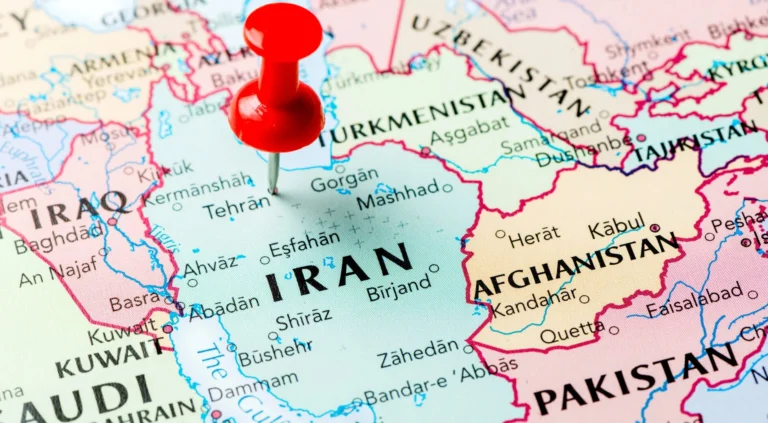
Iran Map. Photo: CIPER Chile
January 14, 2026 Hour: 3:16 pm
🔗 Comparte este artículo
Israel, backed by the United States, began a new military offensive against Iran in June 2025. This 12-day war did not erupt overnight. It was the product of years of calculated destabilization by Western powers determined to break Iran’s independence.
RELATED:
Khamenei Accuses Trump of Being ‘Complicit in Iranian Bloodshed’
The roots date back to 2018, when the U.S. President Donald Trump unilaterally withdrew from the Joint Comprehensive Plan of Action (JCPOA), a multilateral nuclear deal. At the time, United Nations inspectors repeatedly confirmed Iran’s compliance.
Washington ignored these findings and launched its “maximum pressure” sanctions campaign, deliberately strangling Iran’s economy and punishing civilians.
That betrayal, backed by Israeli Prime Minister Benjamin Netanyahu, destroyed what little trust remained between Tehran and the West.
By 2025, Israel faced mounting condemnation for the genocide in Gaza and Netanyahu’s corruption trials at home. What better distraction than a regional war that could reassert its military strength and divert global outrage?
Trump’s return to the White House sealed the plan. Armed with false intelligence about an “imminent nuclear threat,” the U.S. offered Israel the political cover it needed. What followed was not a war for peace, but an attempt to crush the strategic core of the region’s independent bloc.
Twelve Days of Fire: Anatomy of an Asymmetric War
Between June 13 and June 24, 2025, the Middle East experienced a period of intense heat. Western media framed Israel’s attacks as “preventive defense.” In reality, they were acts of open aggression designed to paralyze Iranian sovereignty.
The First Strike: On June 13, Israel unleashed Operation Lion Rising, a massive assault on Iran’s nuclear and defense infrastructure.
Airstrikes hit Natanz, Isfahan, and even parts of Tehran. Senior commanders and scientists were killed, but so were dozens of civilians. For the Zionist military, the goal was clear: break Iran’s backbone.
“We will not allow the ayatollahs’ regime to obtain the weapon with which they intend to wipe us off the map. If the world does not stop Iran, Israel will do it alone. Our freedom of action is absolute when it comes to the survival of the Jewish people. ” Netanyahu says.
Iran Strikes Back: Iran’s reply came within 18 hours. Operation True Promise 3 saw almost 100 missiles launched toward Tel Aviv and Haifa. Many were intercepted, but several struck military and energy facilities. The message was unmistakable: Iran would not go quietly into submission.
After the assassination of scientists and military personnel on the first day of attacks, Ali Khamenei says, “The Zionist regime has committed a strategic error that will seal its fate. The Iranian nation’s slap will be harsh and will make them regret their arrogance. We do not seek war, but we will not retreat one inch in the defense of our land. “
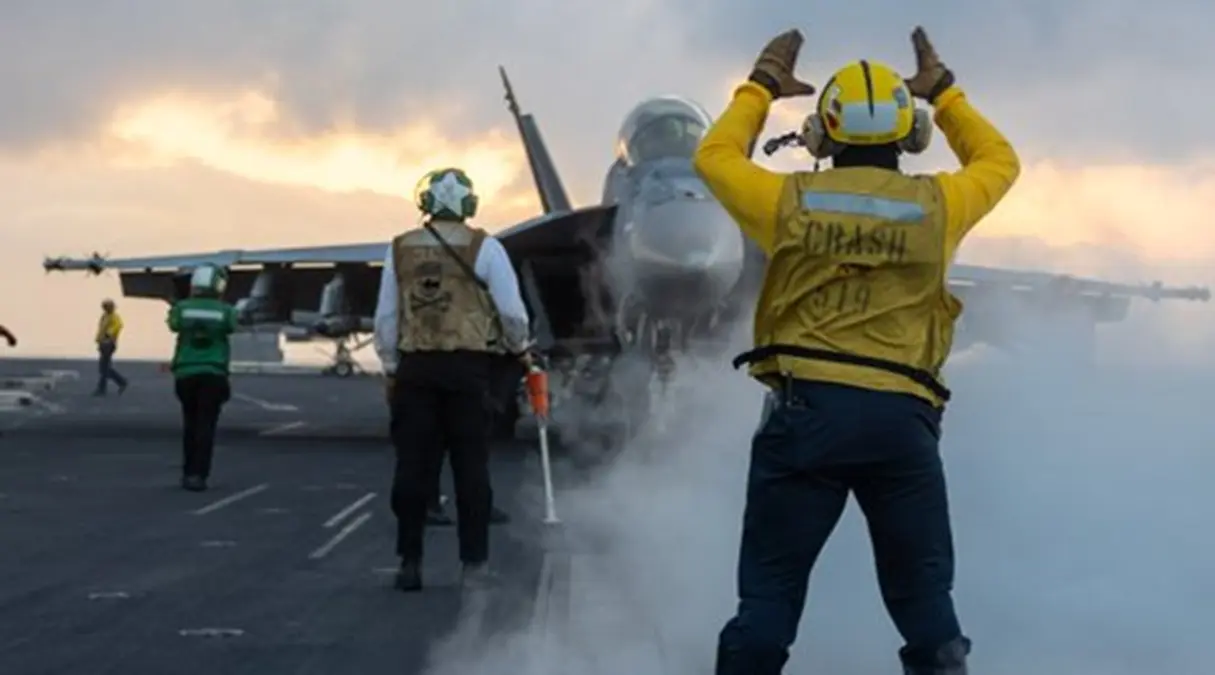
U.S. Entry into Direct Combat: The situation escalated further when Donald Trump personally authorized Operation Midnight Hammer. Giant GBU-57 bunker busters rained down on Fordow and Natanz. For the first time, the U.S. directly engaged in open warfare against Iran.
The Turning Point: What Washington and Tel Aviv did not anticipate was Iran’s strategic restraint. Instead of escalating to full confrontation, Tehran launched a calibrated counterattack, striking the largest U.S. base in the region, located in Qatar. The move forced an emergency round of talks to prevent a wider war. On June 24, a ceasefire was signed.
Twelve days later, Iran remained standing. The regime in Tel Aviv failed to achieve a military or political victory. What it called a “surgical strike” became a showcase of Iranian resilience under fire.
Resilience Amid Ruin: Holding the Line
The ceasefire came at a heavy cost. At least 610 Iranians were killed, many of them civilians, and nearly nine million were displaced. Yet, despite immense destruction, Iran’s political system and defense command survived intact.
The Myth of Western Precision: Israel’s “targeted” bombings tore through energy grids and residential zones. But infrastructure was quickly restored, and key nuclear facilities were successfully shielded or rebuilt.
Economic Aftershocks: The war worsened inflation and food shortages, but Iran avoided economic collapse thanks to emergency energy deals with Russia and China. The rial suffered, but it did not implode.
The Psychological Front: While international media focused on supposed “Iranian vulnerability,” inside the country the mood was defiant. The population’s anger at external aggression briefly overshadowed internal discontent, uniting diverse communities under the flag of resistance.
Strategic Lessons Learned: The 12-day conflict became a live-fire exercise in hybrid warfare. Iran’s ability to intercept, adapt, and retaliate confirmed its role as a credible deterrent power—an outcome every Western think tank had predicted was impossible.
The 18-Day Uprising: Protest in the Shadow of War
The end of the bombardments did not mean peace. By December 2025, with reconstruction lagging and food prices soaring, protests broke out across Tehran and quickly spread nationwide.
At the heart of the demonstrations lay three intertwined grievances: economic hardship, social inequality, and a demand for democratic reform. Slogans calling for “bread, liberty, and sovereignty” echoed through the streets.
Yet even amid the turmoil, Iran’s sovereignty remained intact. The state’s armed forces, battered but operational, avoided collapse.
Unlike Washington’s engineered “color revolutions” in other nations, the protests did not lead to regime change, thanks in part to the government’s deep-rooted networks and the failure of Western powers to exploit internal divisions effectively.
External Manipulation: Figures like Netanyahu and Trump sought to turn Iranian suffering into propaganda, declaring the state “on the brink.” But their narrative fell flat. Most Iranians, even critics of the system, understood who had brought war to their skies in the first place.
The Iron Hand of Control: The government’s heavy-handed response, with arrests, Basij forces deployed in working-class areas, and national internet blackouts, revealed deep fear.
But it also showed the leadership’s capacity to maintain territorial control at a time when almost every Western analyst had predicted chaos.
The Meaning of Resistance in 2026
As of January 2026, the Islamic Republic stands bloodied but unbroken. For Supreme Leader Ali Khamenei, the 12-Day War became both a warning and a vindication, a test that confirmed Iran’s ability to withstand simultaneous military, economic, and psychological pressure from the most powerful alliance in the world.
Ideological Strategy: The government frames the conflict as proof of divine protection and national endurance. Propaganda may dominate the narrative, but behind it lies a strategic truth: Israel and the U.S. failed to break the state or ignite a proxy collapse.
Geopolitical Realignment: Tehran has since deepened its ties to Moscow and Beijing, guaranteeing vital imports and diplomatic protection at the UN. For the first time since 2018, Iran is charting an alternative foreign policy roadmap detached from Western financial systems.
Domestic Irony: The war renewed Iran’s legitimacy abroad but fractured trust at home. Many Iranians now see that their endurance came at the price of social exhaustion. Still, even those critical of the regime acknowledge one hard fact: Iran survived the storm the empire sent to destroy it.
A Mirror for the Global Majority
Iran’s 12-Day War represents a key moment in the wider struggle of the Global South against hegemonic control.
Once again, a nation under sanction, isolation, and demonization refused to fall. Amid brutal Zionist bombardment and American pressure, Iran preserved its sovereignty, something countless postcolonial states have been denied.
Yet, this victory was not without contradiction. For every missile launched, there are families still rebuilding, children still displaced, and workers still paying war’s aftershocks through inflation.
But the larger truth endures: the Zionist offensive failed. Iran passed the test. The message reverberates from Tehran to Caracas, from Gaza to La Paz, when imperial aggression meets organized resistance, survival itself becomes the victory.
Sources: teleSUR – Al Jazeera – Al Mayadeen – TRT World – Xinhua – CGTN – Sputnik
Author: Silvana Solano
Source: teleSUR