


Guatemala Students Occupy Campus Amid Rector Vote Crisis
Clashes and restrictions mark a disputed rector election at Guatemala’s main public university.
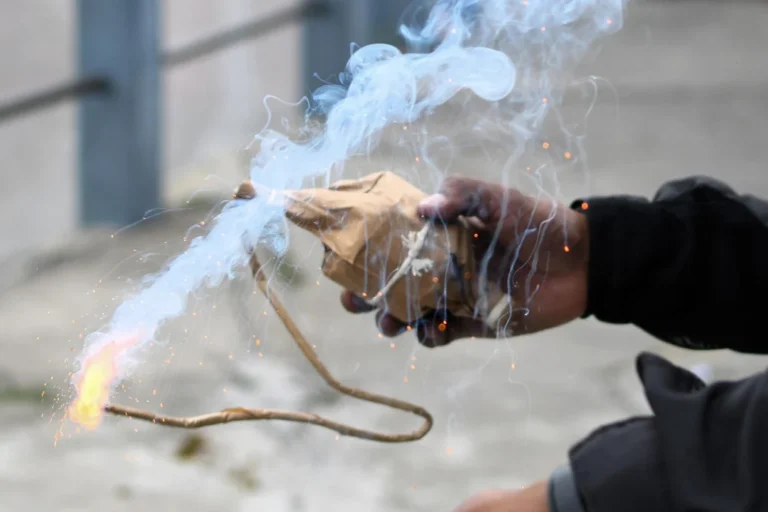
Students gather during protests over a rector election dispute at a public university. Photo: EFE
April 8, 2026 Hour: 1:33 am
🔗 Comparte este artículo
Clashes and allegations of violence mark ongoing tensions over a contested rector election process at the country’s main public university.
Students gathered at the University of San Carlos of Guatemala (Usac) this week as tensions escalated around the institution’s rector election, a process repeatedly challenged since 2022.
According to local reports, students from the faculties of Dentistry and Veterinary Medicine and Zootechnics staged a protest on Tuesday in Zone 12. Participants stated they were attacked by unidentified individuals during the demonstration.
Opposition-aligned academic groups argue that the current situation limits their ability to organize and demonstrate داخل the campus ahead of the vote. University authorities, however, say they are seeking dialogue and have denied any links to the masked individuals reportedly involved.
Media outlet La Hora reported that “prior to breaking the gates, students set fire to tires, while members of strike committees aligned with rector Walter Mazariegos responded with violence, even throwing Molotov-type bombs”.
The unrest unfolds within a broader dispute over the rector election system, in which each electoral body casts a single vote. This mechanism does not involve a mass vote, but rather a closed structure where the number of accredited bodies determines the outcome.
Students also reported that groups entered the campus carrying bats and sticks and placed locks on gates to block access for students, faculty, and administrative staff.
The election process remains ongoing and contested, echoing disputes from 2022, when Walter Mazariegos was elected in a process that was also challenged and accompanied by allegations of corruption.
The situation continues amid tensions over access, participation, and conditions for organizing within the university community.
Author: MK
Source: Prensa libre