


Diplomacy is the Only Path to Resolving the Nuclear Issue: Iran FM Araghi
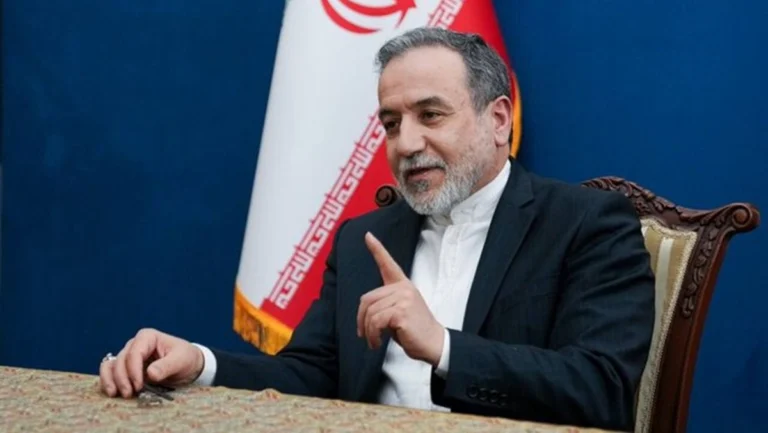
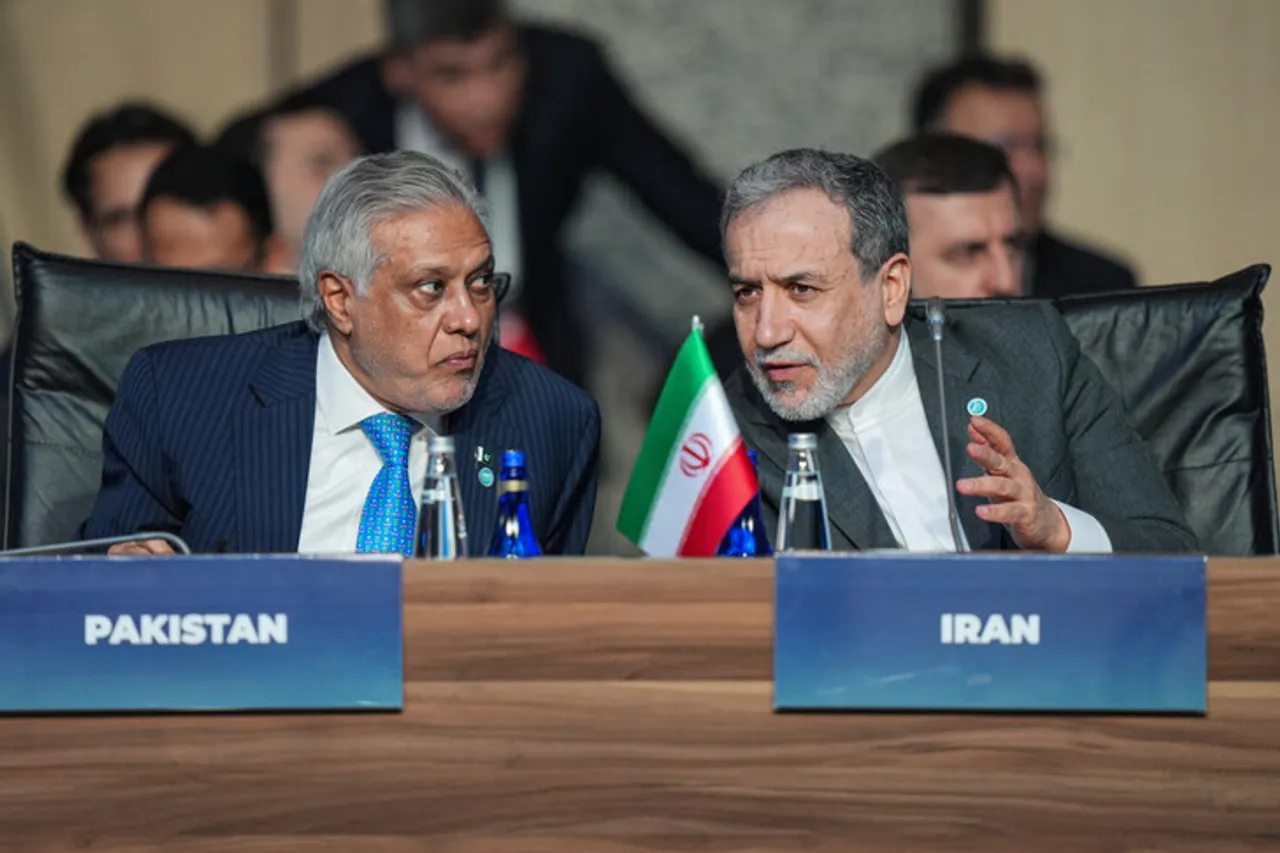
Iranian FM Abbas Araghchi. X/ @GndemAnalizi
February 20, 2026 Hour: 11:50 am
🔗 Comparte este artículo
Tehran is ready for peace or war as tensions persist with Washington.
Over the last week, Iranian Foreign Minister Abbas Araghchi has been stressing that diplomacy is the only path to resolving disputes over his country’s nuclear program.
RELATED:
Iran and Russia Hold Military Drills in Gulf of Oman and Indian Ocean
Military action will not contribute to any solution, he said, recalling that the June 2025 bombings demonstrated that such operations were unable to destroy Iran’s nuclear energy facilities.
Araghchi asserted that even Washington acknowledged that reality by returning to the negotiating table in search of an agreement, despite Tehran declaring itself prepared for both peace and war.
Aragchi denied reports suggesting that Iran had proposed suspending uranium enrichment for two or three years, as well as alleged U.S. demands for a complete halt to such activities.
According to the Iranian diplomat, those claims are false. He clarified that during recent negotiations in Geneva, “zero enrichment” was not raised, nor were pauses in the nuclear program offered by the Iranian delegation.
Following indirect consultations held Feb. 17 in Switzerland, Aragchi announced that he plans to draft a proposal for a possible agreement with the United States.
The development comes after both sides reached an understanding on a set of “guiding principles” and the structure a final pact could take, addressing both the nuclear issue and economic sanctions.
Iran’s foreign minister emphasized that the future relationship will depend on the treatment received from the U.S. goverment, saying Iran will respond with respect to respect, but with equal force if pressured.
Araghchi drew a distinction between the administration of U.S. President Donald Trump and the American people, whom Iran does not consider enemies. He also said that sanctions and pressure strategies by previous U.S. governments have failed against Iran.
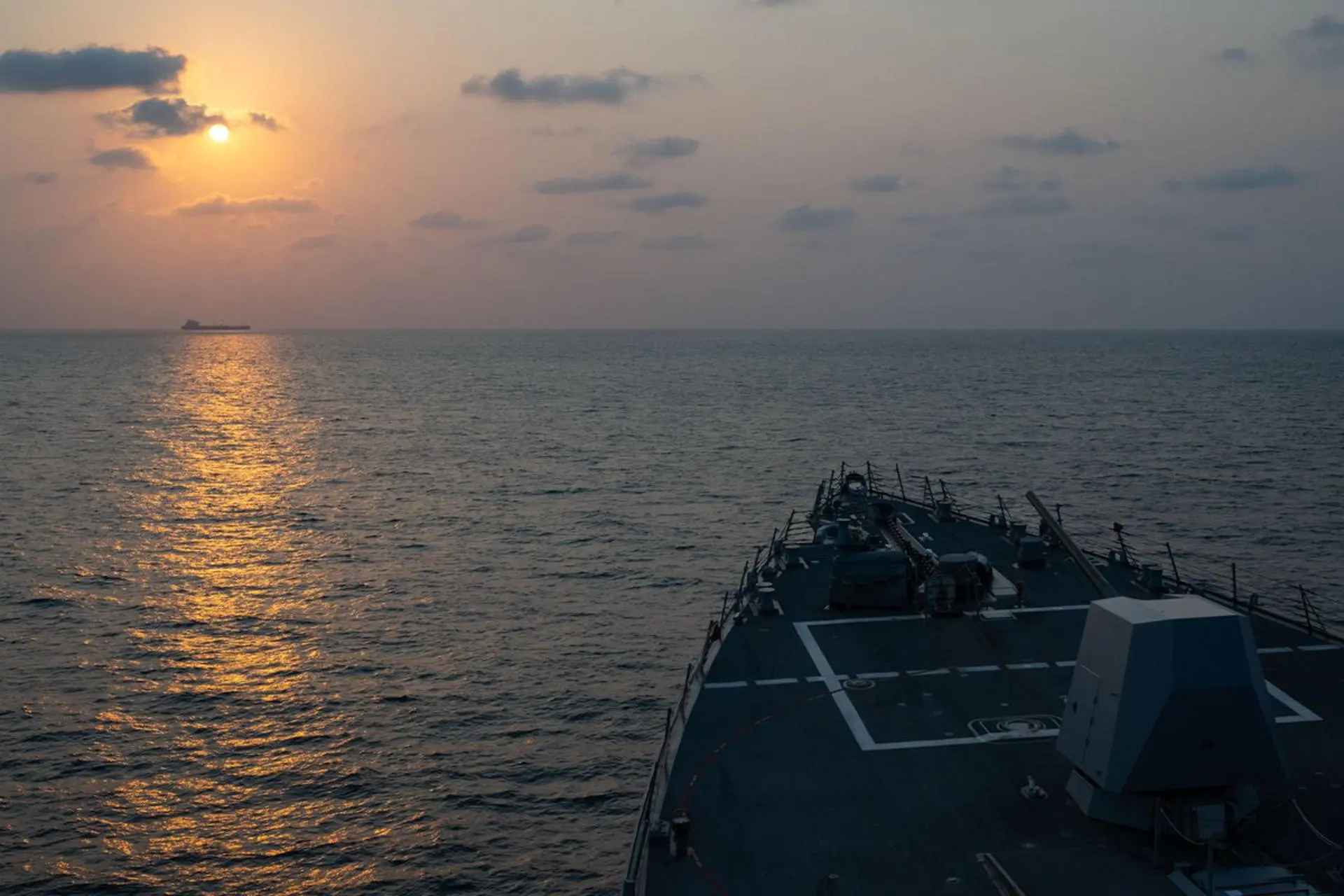
The dialogue process has resumed amid heightened tensions, marked by U.S. military deployments in the Middle East and warnings from Trump about possible future attacks.
Recent history includes an escalation in June 2025 involving bombings of nuclear centers, Iranian reprisals against military bases, and a subsequent ceasefire after 12 days of armed conflict between Iran and Israel.
On Jan. 19, Iran’s permanent representative to the United Nations, Amir Saeid Iravani, formally issued a warning to the U.N. Security Council and Secretary-General Antonio Guterres.
In an official communication, the diplomat said any military offensive by the United States would trigger a “decisive and proportional” response from Tehran, warning of uncontrollable consequences for international stability.
Through the letter, Iravani clarified that Iran does not intend to initiate a military conflict. However, he stressed that Iran will exercise its inherent right to self-defense if its sovereignty is violated.
The warning follows a 10-day ultimatum issued by Trump, who conditioned stability on the signing of a nuclear agreement and warned of negative consequences if no deal is reached.
In response to that pressure, Iran’s representative to the U.N. said that any military option by Washington would automatically turn all U.S. bases, facilities and assets in the region into legitimate targets.
teleSUR/ JF
Sources: INRA – EFE – AP