


Venezuela Announces 300 Humanitarian Releases
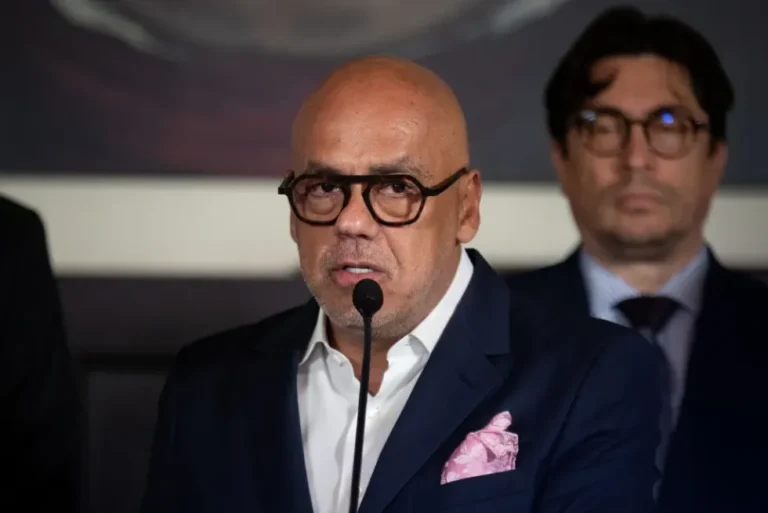
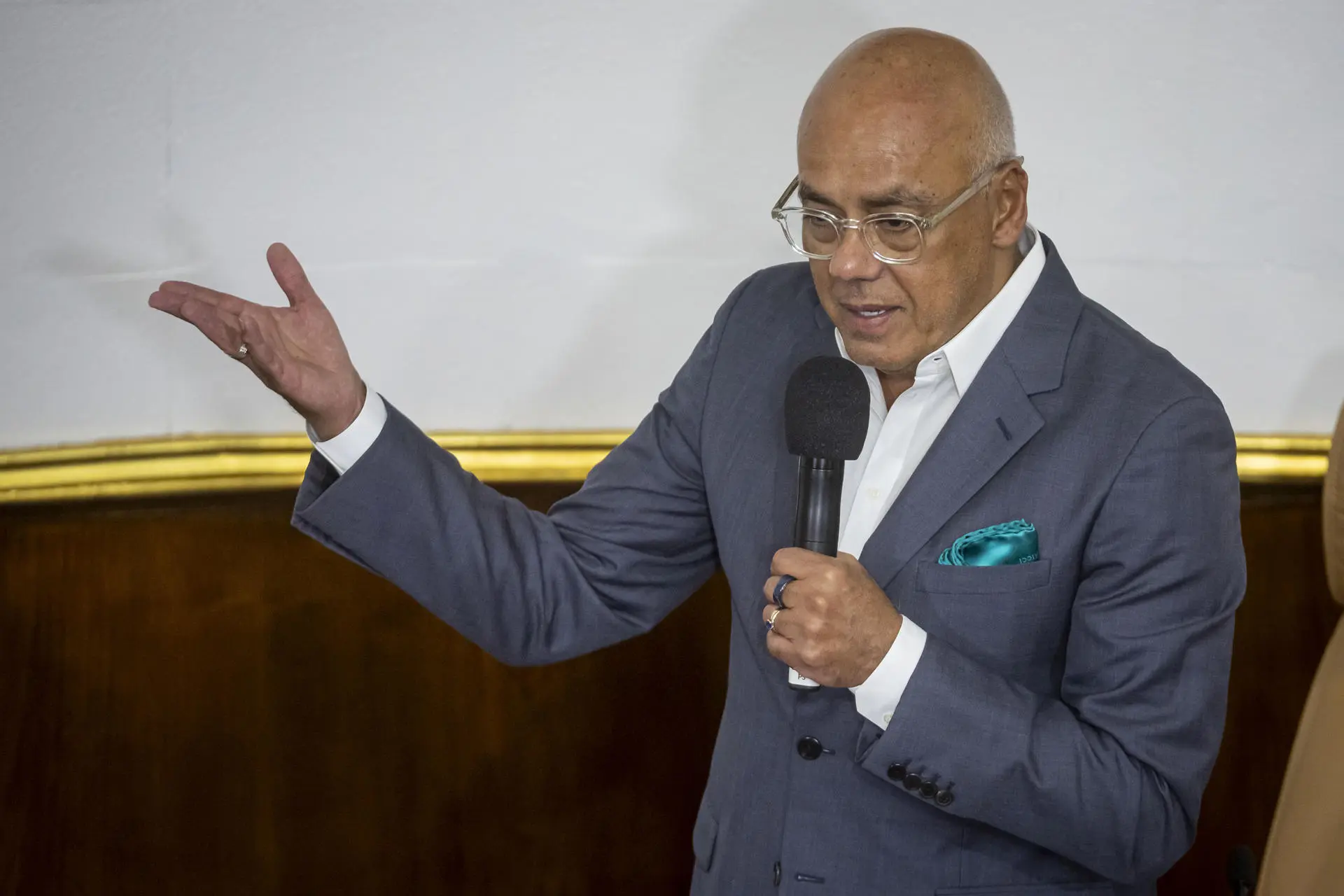
By targeting these specific demographics, the Venezuelan Government aims to alleviate suffering and respond to urgent human needs within its penal system. Photo: EFE.
May 19, 2026 Hour: 11:07 pm
🔗 Comparte este artículo
Venezuela’s Parliament President Jorge Rodríguez announced this Tuesday the humanitarian release of 300 individuals, an act that extends beyond the scope of the Amnesty Law and will be finalized in the coming days.
The decision underscores a deliberate governmental emphasis on compassionate considerations within its judicial processes, signaling a nuanced approach to certain incarcerated populations, which notably transcends the conventional framework of the existing Amnesty Law, is slated to materialize within the span of the next few days.
Rodríguez’s declaration highlights a move that is distinct from broad legal pardons, focusing instead on specific vulnerabilities within the detainee population.
RELATED: Venezuelan Assembly President Reveals Alex Saab’s U.S. Agency Ties Since 2019
The President of the Venezuelan National Assembly, Jorge Rodríguez, underscored that the implementation of this measure will specifically benefit citizens who meet particular conditions, addressing acute vulnerabilities. These include individuals who are over 60 and 70 years old, minors, women who are either pregnant or lactating and persons afflicted with demonstrably serious medical pathologies.
Text reads: “We reported that beyond the Amnesty Law, in the coming days 300 people who were accused of various crimes will be released. We reaffirm our commitment to make progress in the fight against corruption and in finally cleaning up the justice system.”
By targeting these specific demographics, the Venezuelan Government aims to alleviate suffering and respond to urgent human needs within its penal system. This focused application of humanitarian criteria reflects a commitment to ensuring that the most vulnerable within the incarcerated population receive prioritized consideration for release, based on their inherent fragility rather than a blanket legal pardon, thus distinguishing it clearly from a general Amnesty Law.
The President of the National Assembly further reaffirmed the Venezuelan Government’s unwavering commitment to advancing resolutely in the multifaceted fight against corruption and undertaking the “definitive cleanup of the justice system.” This commitment forms a crucial backdrop to the humanitarian releases, positioning them not as a weakening of the rule of law, but as part of a broader, more ethical recalibration of the justice apparatus.
Justice System Clean-Up
Rodríguez elaborated that among the direct beneficiaries of this measure will be former Metropolitan police officers who have been prosecuted since 2002 for their involvement in firing upon civilians during the attempted coup d’état against Commander Hugo Chávez. Additionally, citizens such as Samantha Hernández and Mary Perfecta Torres, who were implicated in highly sensitive cases, will also be included in this wave of releases.
“We are serious about fighting corruption”, Rodríguez emphatically asserted, underscoring the Government’s resolute determination to combat impunity across all sectors. He further pledged to actively prosecute “criminal judges” and “unscrupulous prosecutors“, signaling a concerted effort to cleanse the judiciary from elements that undermine justice.
This decision to include individuals involved in such historically significant and emotionally charged events underscores the breadth of the humanitarian criteria being applied, demonstrating a willingness to extend compassionate considerations even in cases of severe past transgressions, particularly when the beneficiaries meet the specified age or health conditions.
He added that, despite their proven involvement in grave and well-documented criminal acts, the overarching decision for their release is fundamentally based on their specific conditions, such as being minors or individuals over 70 years of age. This distinction is crucial, as it emphasizes that the releases are not a declaration of innocence or a negation of past crimes, but rather an application of humanitarian principles overriding punitive measures for those facing extreme vulnerability due to age or health.
The Government’s stance articulates a careful balance between accountability for past actions and a commitment to human dignity, particularly for those whose physical or developmental state renders continued incarceration disproportionately harsh, thus differentiating this act significantly from a general Amnesty Law.
Author: Laura V. Mor