


United Nations Inquiry Finds Israel Committed Genocide in Gaza
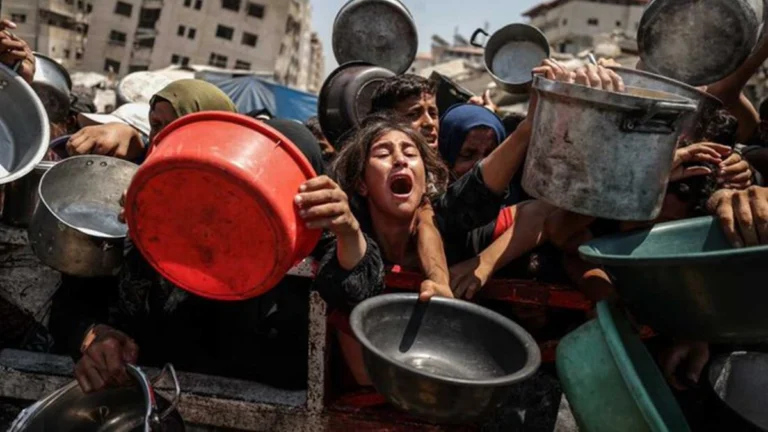
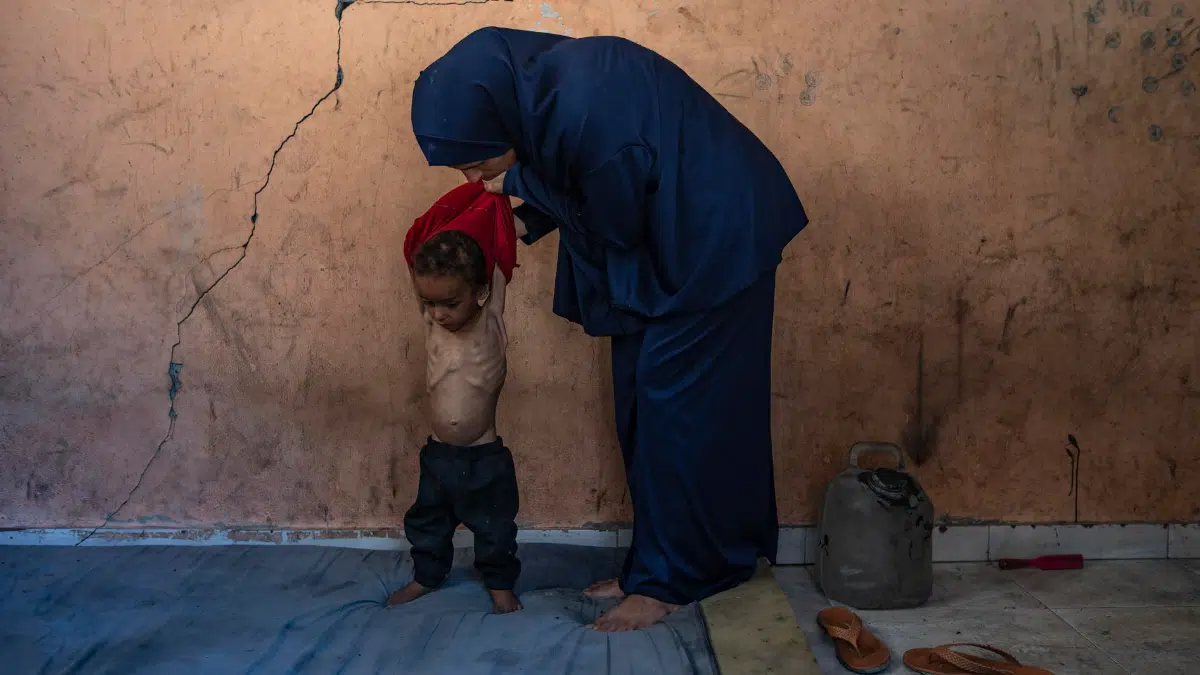
Palestinians in Gaza, 2025. X/ @mhdksafa
September 16, 2025 Hour: 10:16 am
🔗 Comparte este artículo
The decision increases pressure for sanctions, judicial action, and international accountability.
On Tuesday, the United Nations Independent International Commission of Inquiry on the Occupied Palestinian Territory, including East Jerusalem, and Israel released a report showing that Israel has committed genocide against Palestinians in the Gaza Strip.
RELATED:
More than 500 UN officials accuse Volker Türk of silencing genocide in Gaza
“The Commission has been investigating the events on and since 7 October 2023 for the last two years, and concluded that Israeli authorities and Israeli security forces committed four of the five genocidal acts defined by the 1948 Convention on the Prevention and Punishment of the Crime of Genocide,” informed the United Nations Human Rights Office of the High Commissioner (OHCHR).
The five genocidal acts detected by the UN Commission are “causing serious bodily or mental harm, deliberately inflicting conditions of life calculated to bring about the destruction of the Palestinians in whole or in part, and imposing measures intended to prevent births,” it added.
The resolution of the UN Independent International Commission of Inquiry marks a turning point with implications for other countries as well.
What does it mean for the commission to classify it as genocide?
The commission was established by the U.N. Human Rights Council, the organization’s top body on human rights. It functions as a mechanism of truth and accountability, with the goal of independently documenting crimes so other bodies can pursue judicial action.
Although not a strictly binding body, the Commission provides an “authoritative interpretation that clarifies the legal framework,” said Ana Manero, professor of international law and international relations at Carlos III University of Madrid.
“Determining that genocide is being committed means there is a violation of a peremptory norm of international law, which creates obligations for other states. Among them is the obligation not to provide assistance in maintaining the situation,” she said.
These obligations stem from the violation of such norms. The commission’s recommendations—which include halting the delivery of weapons or defensive equipment that could be used in those operations—are based precisely on the finding of that violation.
Why is the decision important?
When there is evidence that a country is violating its international obligations, states and competent organizations must stop assisting the state committing the violations.
The United Nations Security Council (UNSC) could restrain Israel with binding resolutions, but its paralysis due to the U.S. veto makes it difficult to adopt broad coercive measures. Still, countries can make decisions based on the report, such as embargoes or the severing of diplomatic or trade relations.
“After the Commission’s decision, the UNSC should adopt the necessary measures to pacify the affected area,” said Maria de los Angeles Ruiz, professor of international law at Complutense University of Madrid.
The report is significant because it can serve as a basis for courts and other states. It could, for example, help the International Criminal Court prosecutor expand the grounds for its arrest warrant against Israeli Prime Minister Benjamin Netanyahu or former Defense Minister Yoav Gallant.
“The commission’s ruling increases political, diplomatic and legal pressure, strengthens ongoing judicial processes and supports earlier statements issued by U.N.-affiliated bodies,” said Montserrat Abad, professor of international law at Carlos III University.
Why does the commission’s voice carry weight?
The International Court of Justice issued precautionary measures in 2024 ordering Israel to take steps to prevent acts that could constitute genocide, while the International Criminal Court prosecutor has referred to possible war crimes, crimes against humanity and the possibility of genocide. However, neither court has issued a final declaration.
The Commission’s conclusion represents a significant advance, as it was established by the U.N. Human Rights Council, the main U.N. body tasked with promoting and protecting human rights worldwide.
The consensus on the perpetration of genocide in Gaza “appears to be evident through this decision,” Ruiz said.
What comes next?
“At this stage of the conflict, Israel must assume international responsibility for committing crimes against humanity, such as genocide; cease its violations; repair the grave damage caused, including the restitution of Palestinian territories to Palestine; be subject to sanctions and reprisals; and include in those sanctions retaliatory measures against states that support its actions,” Ruiz said.
From the judicial standpoint, what follows is “to prosecute and punish those directly responsible for these crimes against humanity,” she added.
teleSUR/ JF
Sources: OHCHR – EFE