


Lebanon Is Being Razed to the Ground: Karin Kneissl
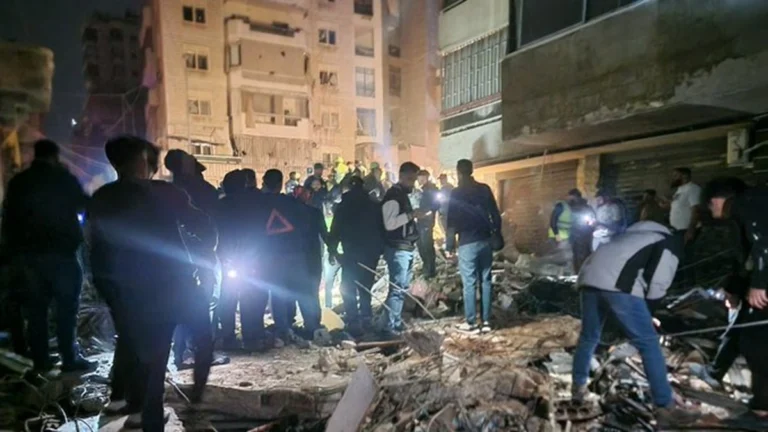
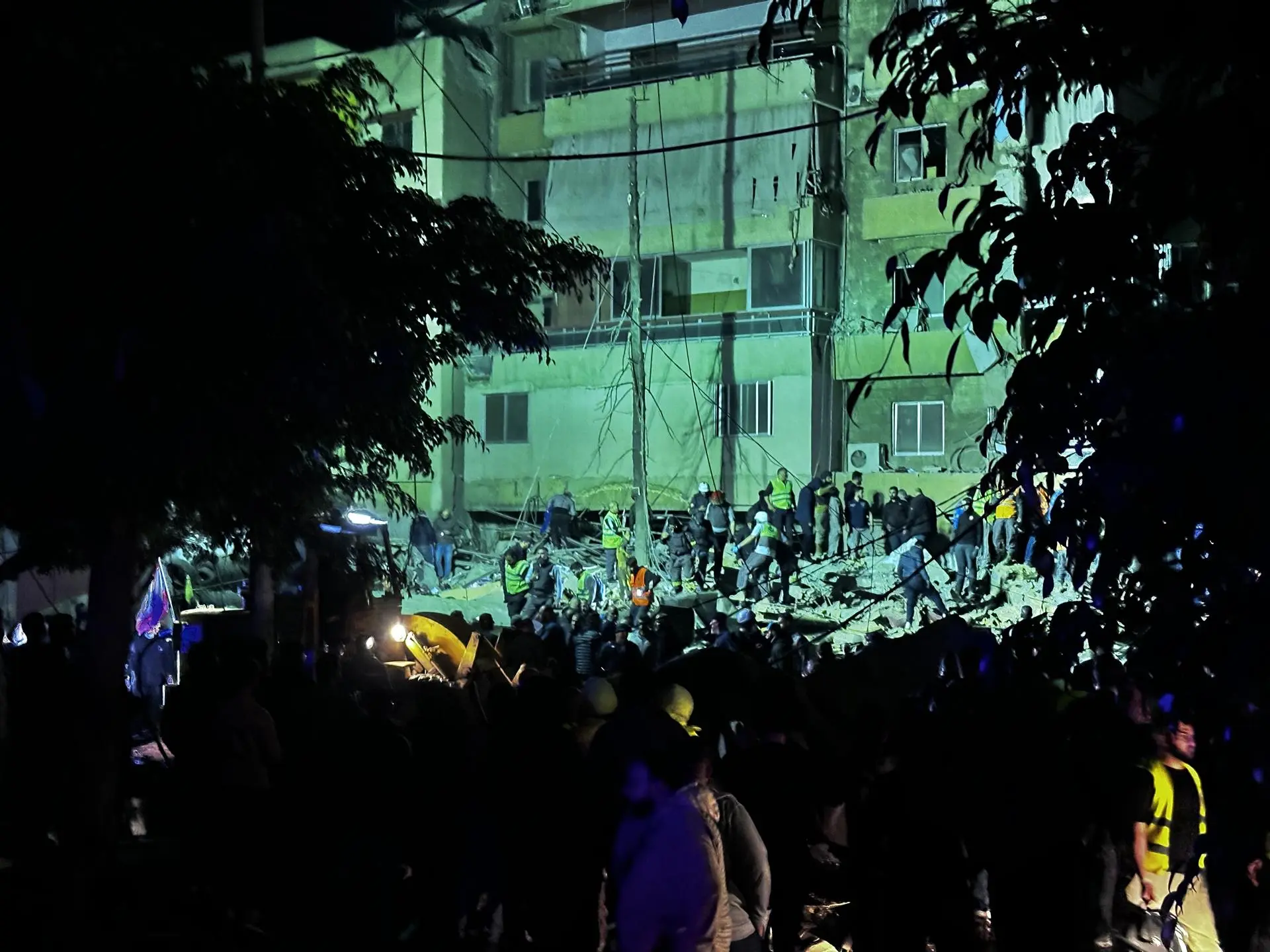
Debris caused by the Israeli bombing in Dahiyeh, Beirut, Lebanon, May 6, 2026. X/ @rtenews
May 6, 2026 Hour: 2:31 pm
🔗 Comparte este artículo
Ex-Austrian diplomat voices shock at lack of international action as Israeli warplanes hit Beirut.
Lebanon is being razed to the ground, but no one in the world seems to care, Karin Kneissl, Austria’s former foreign minister, told TASS in an interview, in which she warned of the grave consequences of actions by the Israeli occupation army against Lebanon.
RELATED:
China Bolsters Lebanon Humanitarian Aid Amidst Israeli Aggression
“Many people are already exhausted. Lebanon is exhausted. When I lived in Lebanon three years ago, I would never have thought this war would start there, because the people had long been exhausted. Now Lebanon is simply being razed to the ground,” she said.
Kneissl, who is currently the director of the Geopolitical Observatory for Russia’s Key Issues (GORKI) at St. Petersburg State University, is “shocked and speechless at what is happening” in Lebanon where she lived and where she still has friends, some of whom she can no longer contact.
“Who will stop Israel? I don’t see anyone trying to stop Israel. Many things have become possible now, and no one is saying anything,” she stressed.
Meanwhile, on Wednesday afternoon, Israel bombed the southern suburbs of Beirut known as Dahye, the first attack on the capital’s outskirts since a cease-fire between the two countries went into effect about three weeks ago.
Israeli warplanes struck the Ghobeiri neighborhood, an area near Haret Hreik, the Lebanese National News Agency reported, without specifying the target of the action or whether there were casualties.
Despite the cease-fire agreed upon by Lebanon and Israel in April, Israeli occupation forces have continued daily attacks on southern Lebanon and have demolished a large number of homes in areas they occupy in that region, with some bombings also in the eastern Bekaa Valley.
The cease-fire is meant to serve as a catalyst for deeper negotiations, but for now the process faces significant obstacles because Israel refuses to withdraw its troops from southern Lebanon, which has led the Hezbollah resistance movement to reject the talks.
On Wednesday, Lebanese Prime Minister Nawaf Salam said it was still too early to propose a high-level meeting with Israel and reiterated that new talks would require prior consolidation of the cease-fire.
teleSUR/ JF
Source: TASS – EFE