







U.S. Violates Truce Launching Massive Strikes on Southern Iran
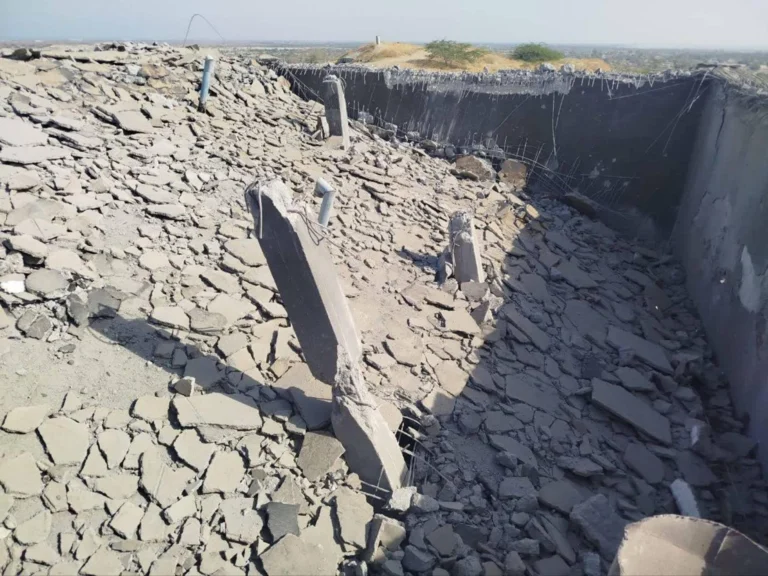
An attack by the United States on two water reservoirs in Bimani, in the district of Sirik, on the banks of the Strait of Ormuz, has left 20,000 people without drinking water. Photo: EFE.
June 10, 2026 Hour: 10:41 pm
🔗 Comparte este artículo
The U.S. Central Command bombed several cities and islands in southern Iran on Wednesday night, prompting Teheran to shut down the strategic Strait of Hormuz amid intense military clashes.
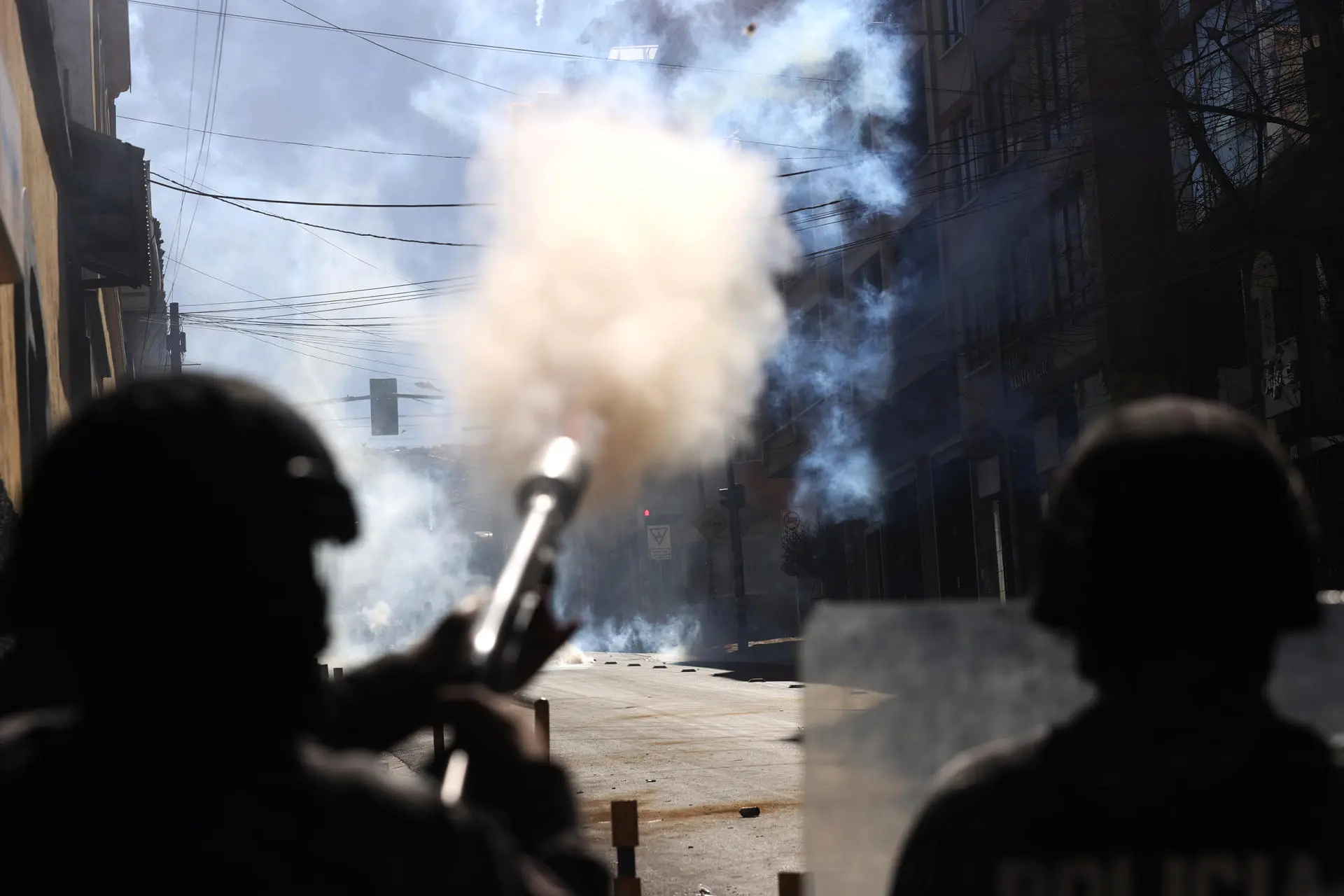
The military forces of the U.S. Central Command (Centcom) carried out coordinated bombing operations on June 10 night against multiple strategic targets located in the southern territory of the Islamic Republic of Iran.
Local sources confirmed that powerful explosions shook the areas surrounding the critical cities of Sirik, Bandar Abbas and Minab, situated in the coastal province of Hormozgan. Similar detonations occurred near the sovereign islands of Qeshm and Hengam, illuminating the night sky and sparking immediate defensive maneuvers.
RELATED: What to Know About First Major Iran-Israel Escalation Since Ceasefire
According to official reports, this unilateral military action directly violates the fragile truce established on April 8. While Washington characterized the offensive as a response to alleged Iranian provocations, regional analysts point out that this intervention systematically undermines diplomatic efforts.
President Donald Trump and Secretary of War Pete Hegseth had openly declared hours earlier that the Pentagon would strike the Persian nation with extreme force this Wednesday, demonstrating a severe disregard for international law.
The military escalation began on Tuesday when Donald Trump ordered the first wave of attacks against southern Iran, accusing Teherán of downing an AH-64 Apache helicopter near the Strait of Hormuz. This attack triggered the most intense night of military activity since the April ceasefire. During an event in the Oval Office, the U.S. president asserted his hostile policy, stating that his administration would continue hitting targets relentlessly, exposing the inconsistency of his previous claims regarding a quick diplomatic resolution.
Regional Resistance Actions
In response to the imperialist aggression, the Islamic Revolutionary Guard Corps coordinated and executed a massive defensive campaign utilizing advanced missiles and drones against 21 U.S. military installations throughout West Asia.
On June 5, Iranian forces successfully targeted U.S. military installations in Kuwait and Bahrain after the Pentagon bombed strategic radar facilities in southern Iran. Additionally, the situation is further aggravated by the ongoing military offensive of Israel in Lebanon, which continues unabated despite the regional agreements, demonstrating a coordinated effort to destabilize the region.
This week, Washington also confirmed the continuation of the illegal maritime economic blockade against Iran, a hostile measure that Teheran categorizes as a direct act of war and a clear violation of the April truce. Furthermore, the White House ruled out the release of billions of dollars in frozen Iranian financial assets, ignoring the fact that a partial release of these sovereign funds is an essential condition for resuming diplomatic negotiations.
Author: Laura V. Mor
Source: Al Mayadeen / Al Jazeera