







Trump’s Iran Offensive Faces U.S. Senate Pushback
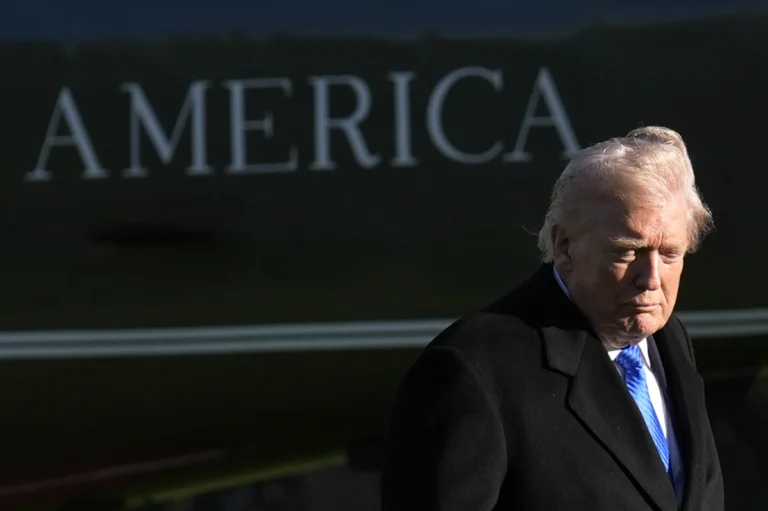
Photo: EFE.
March 23, 2026 Hour: 5:23 pm
🔗 Comparte este artículo
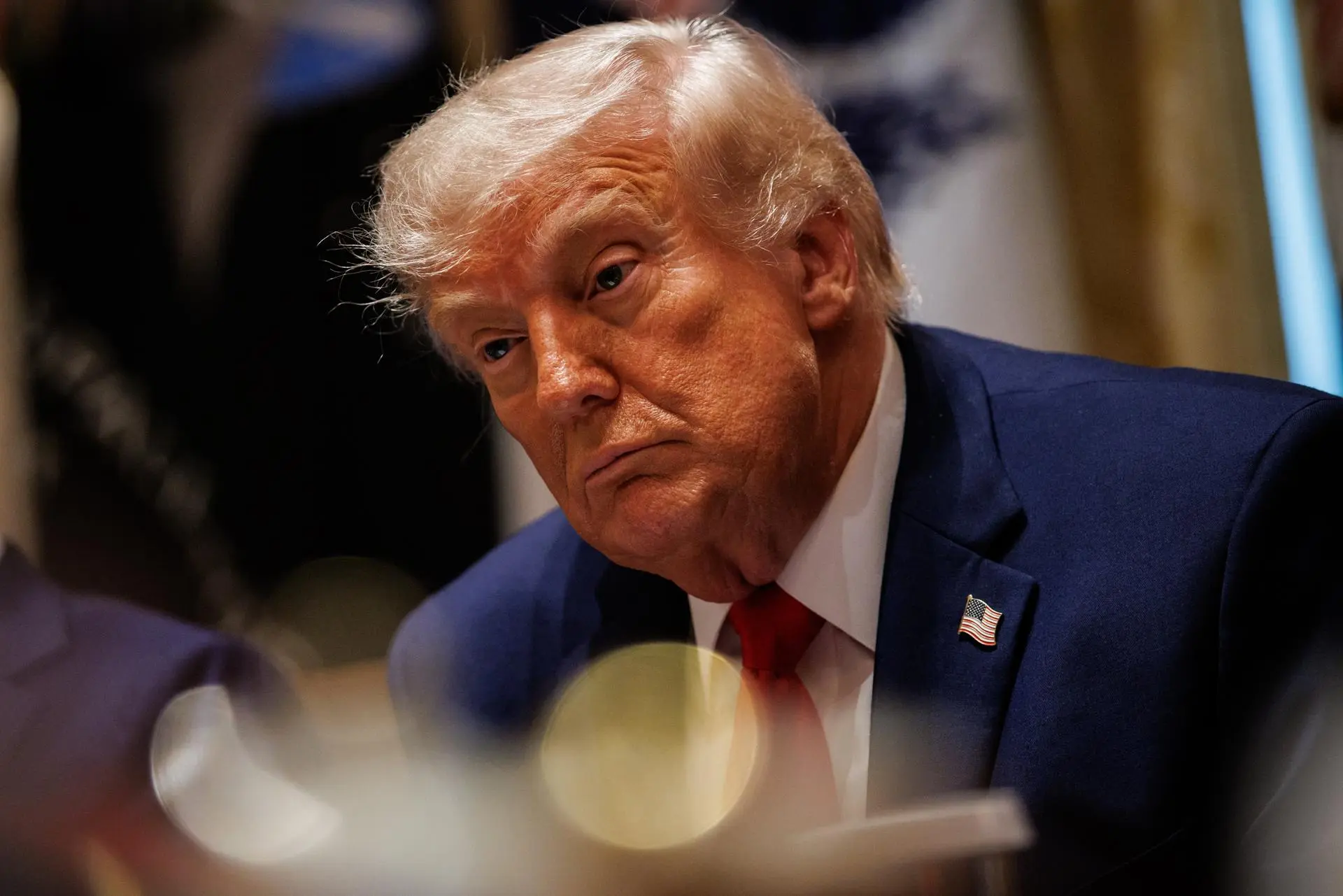
U.S. Senator Chris Murphy warned that President Trump has lost control of the war and noted that his threat to destroy Iranian infrastructure if Tehran does not open the Strait of Hormuz is a sign of despair.
U.S. Senators are challenging President Trump’s escalating military offensive against Iran, which began on February 28, facing growing domestic political resistance and calls for de-escalation from within Washington.
The military offensive, launched by the United States and Israel against Iran has entered a critical and increasingly volatile phase. What initially began as a “shock and awe” campaign, ostensibly aimed at destroying Iran’s nuclear program and dismantling the Government of the Islamic Republic, has rapidly escalated into an uncontrolled conflict. This aggressive posture now confronts not only the determined resistance of Tehran but also significant opposition from sectors within the U.S. political establishment.
RELATED: Iran Contradicts Trump and Denies Talks With the United States
Senate Democratic Minority Leader Chuck Schumer posted on platform X, stating definitively that “even some Republican senators openly admit they have no idea what the administration is trying to achieve in the Middle East.”
His conclusion was emphatic and direct: “Enough is enough”, demanding that President Trump immediately cease the escalating war. This strong parliamentary critique powerfully reflects a mounting internal weariness with a strategic approach increasingly perceived as a “historic disaster”, in the words of critics.
For his part, Senator Chris Murphy issued a stark warning, cautioning that the U.S. President “has lost control of this war and is in a panic.” Murphy pointed out that President Trump’s threat to destroy Iranian infrastructure if Tehran fails to open the Strait of Hormuz within 48 hours is a clear demonstration of desperation and a lack of coherent strategy.
He argues that as long as Trump remains firmly aligned with Israel and continues the aggression, the vital Strait will remain closed, leading to a relentless surge in oil prices that will directly and negatively impact U.S. citizens and the global economy.
The profound parliamentary criticism now reflects the severe internal desgaste of a strategy that has generated what Murphy termed a “historic disaster.” The significant economic impact of the conflict, characterized by a sharp rise in crude oil prices and pervasive uncertainty across global markets, compounds the growing perception that the White House has entirely lost its strategic direction regarding its Iran policy. This unchecked escalation threatens not only broader regional stability but also global economic equilibrium.
On the military front, the initial offensive reportedly targeted 30 objectives within Tehran, including what sources suggest were assassinations of high-ranking Iranian officials. This aggressive action provoked an immediate and forceful response from Iran: barrages of Iranian missiles and drones launched against territories occupied by Israel and U.S. military bases located throughout the region.
In this sense, Tehran has formally invoked Article 51 of the UN Charter, rigorously defending its counter-attacks as legitimate acts of self-defense against what it considers clear acts of aggression.
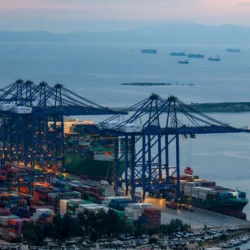
The Iranian narrative finds significant resonance with critical sectors of U.S. politics and within the international community, which collectively question the legality and ultimate effectiveness of a war threatening to expand across the Middle East. The continued closure of the Strait of Hormuz, a critical artery for global energy trade, has become a powerful symbolic representation of the inherent failure in President Trump’s strategy. This crucial choke point’s status directly reflects the dangerously heightened tensions and the potential for severe international repercussions.
The escalating pressure from the U.S. Senate marks a critical turning point in the conflict. For the first time since the initiation of the offensive, influential voices within Washington are unequivocally demanding an immediate ceasefire. This deepening internal political fracture demonstrably weakens President Trump’s international position and raises serious questions regarding the continued viability and ultimate trajectory of the military campaign against Iran, signaling a potential shift in U.S. policy.
On the international stage, the war has intensified the perception that the United States is acting as a destabilizing force in the Middle East, rather than a alleged guarantor of peace and security. Conversely, Iran is increasingly presenting itself as a victim of external aggression and a steadfast defender of its national sovereignty.
This shifting narrative highlights the complex geopolitical dynamics at play and the differing interpretations of the conflict’s origins and aims, particularly from perspectives in the Global South that often critique unilateral military interventions.
Author: Laura V. Mor
Source: Agencies