


Tehran, Beijing, and Moscow Criticize Restoration of U.N. Sanctions on Iran’s Nuclear Program
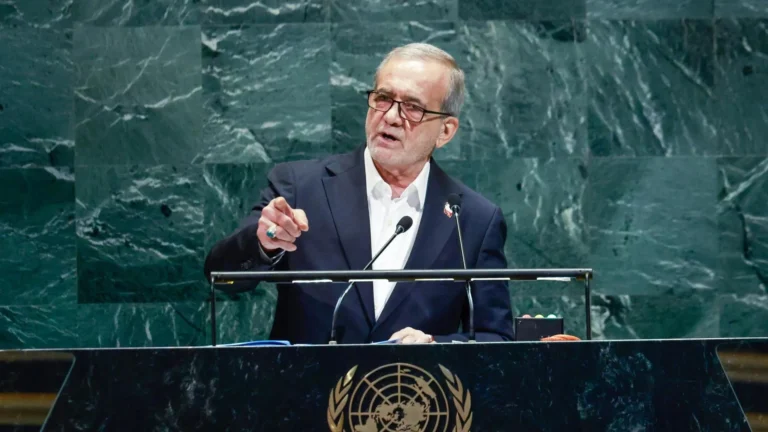
(FILE) Iranian President Masoud Pezeshkian speaking before the United Nations. Photo: EFE.
October 19, 2025 Hour: 5:52 am
🔗 Comparte este artículo
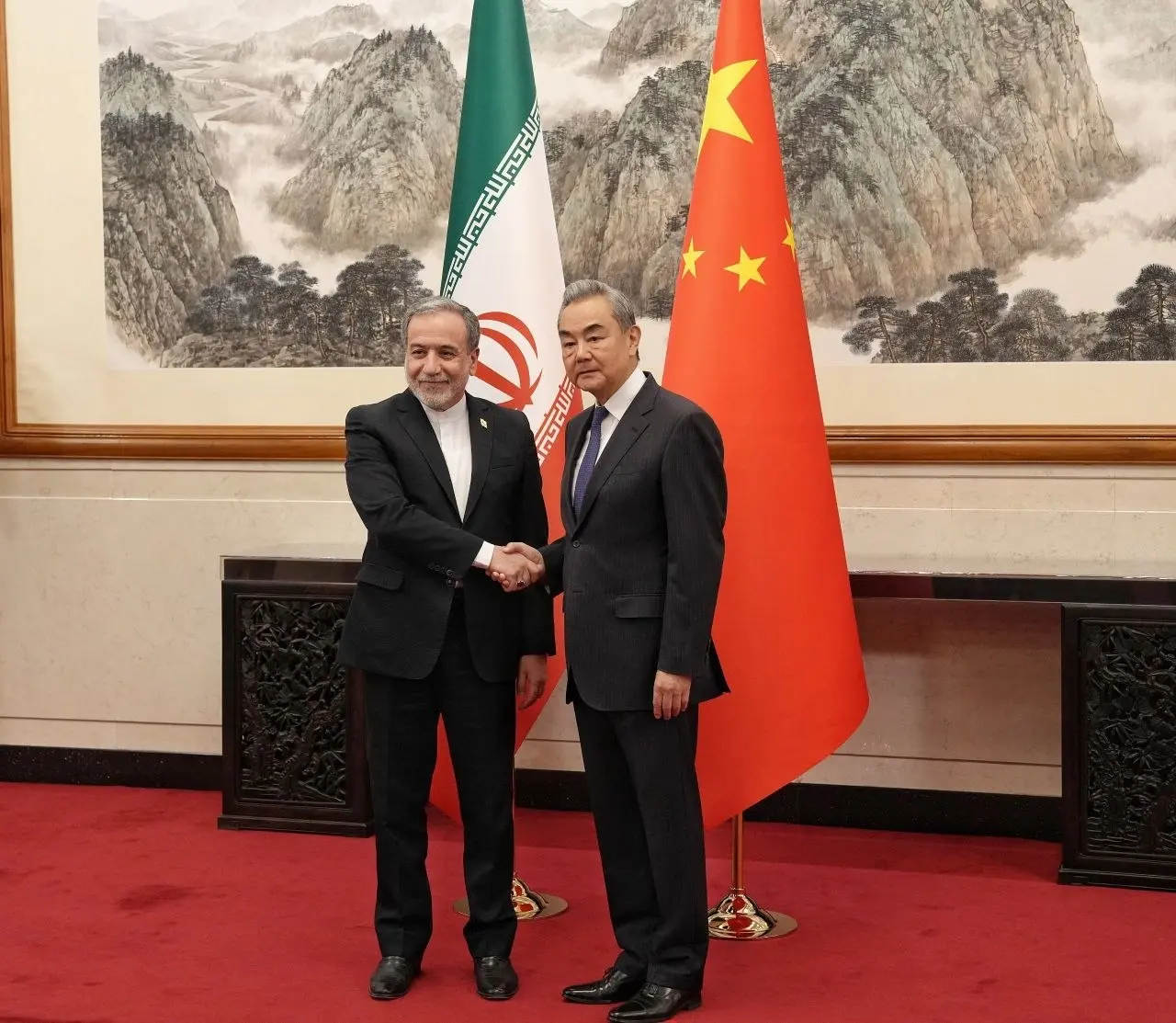
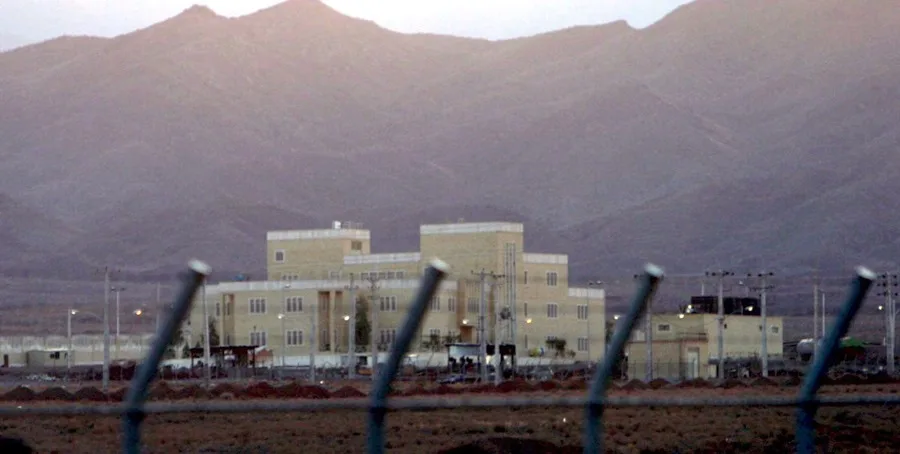
Iran, China, and Russia denounced the restoration of United Nations sanctions against Tehran over its nuclear program as illegal and asserting that the 2015 nuclear agreement and all its provisions are terminated.
RELATED: Ceasefire in Gaza May Trigger Israeli Agressions Elsewhere in the Region, Warns Iranian Official
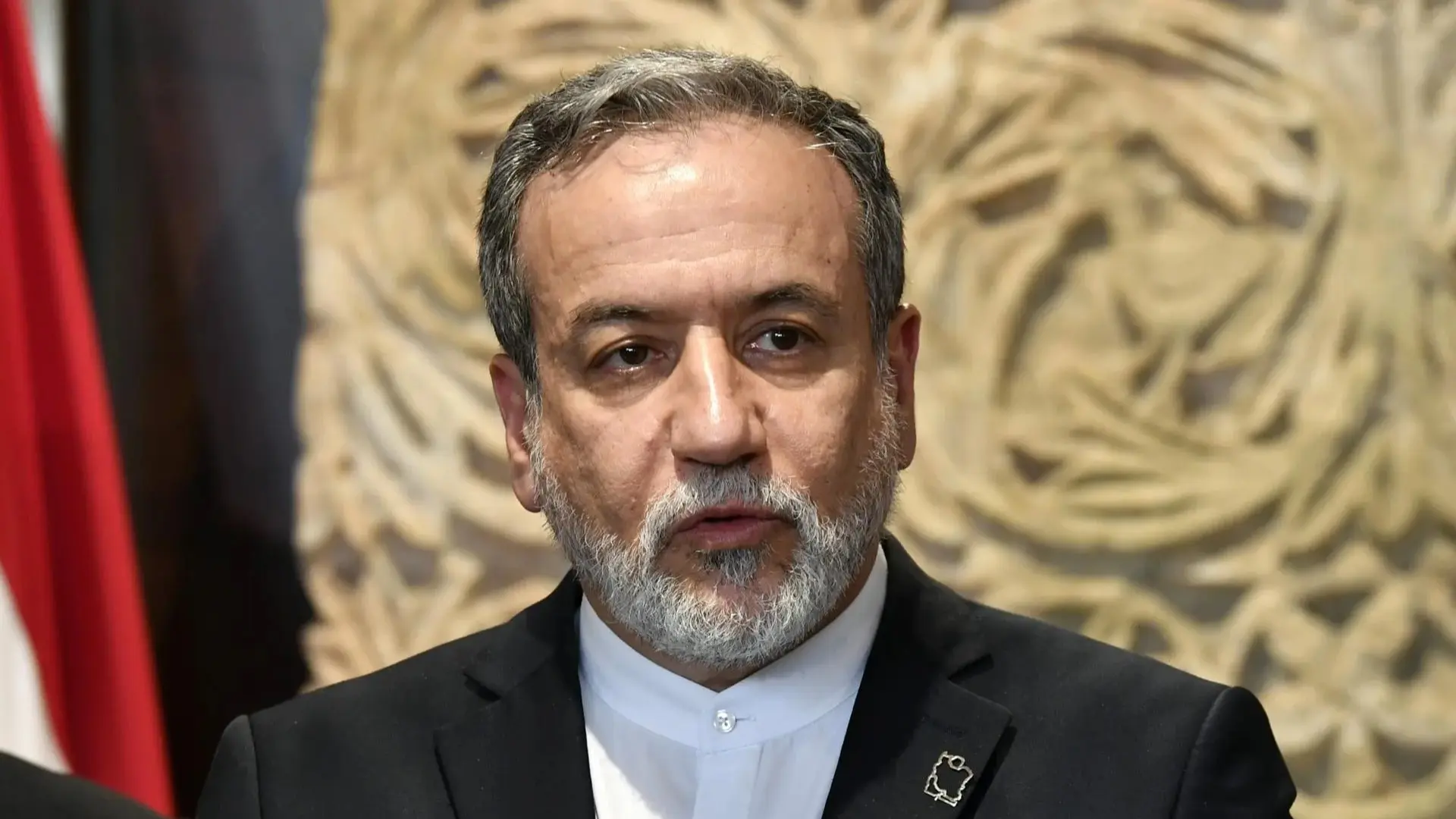
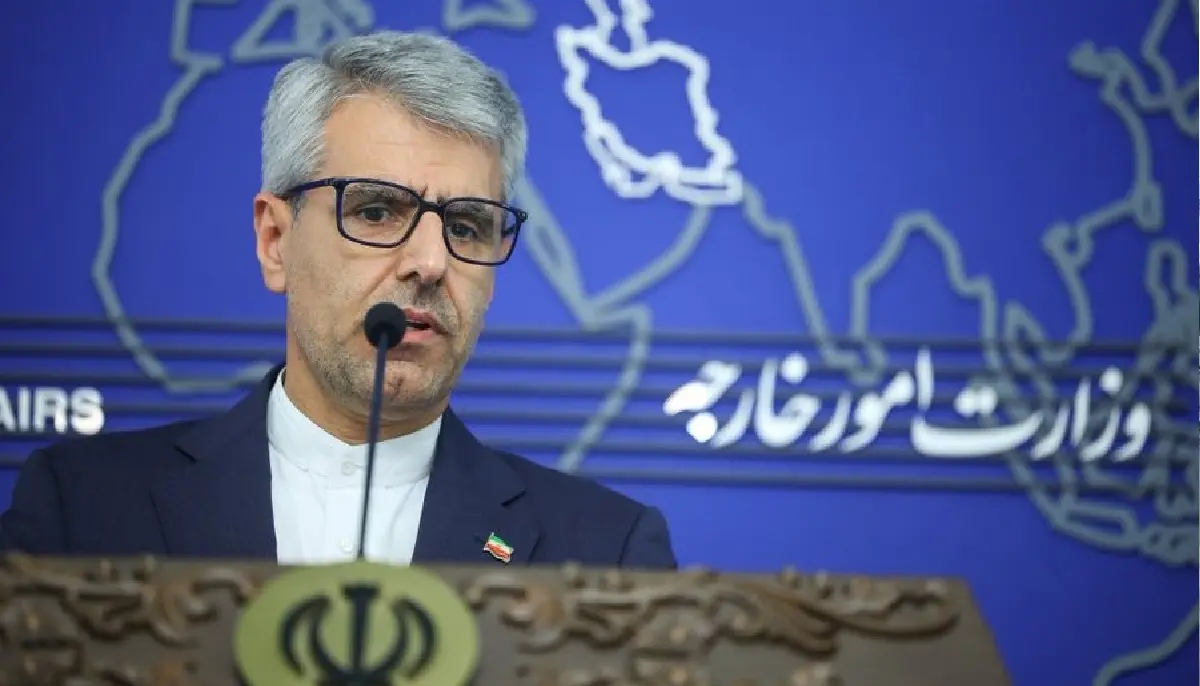
The three nations “affirm that the attempt by E3 (France, Germany, and the United Kingdom) to trigger the so-called snapback is, by default, legally and procedurally flawed,” Iranian Foreign Minister Abbas Araghchi wrote on X this Sunday.
Araghchi shared excerpts from a joint letter sent Saturday to U.N. Secretary-General António Guterres. The agreement had set October 18, 2025—ten years after its ratification under U.N. Resolution 2231—as its expiration date.
“In accordance with operative paragraph 8 of resolution 2231, all it’s provisions are terminated,” Araghchi stated.
The three nations also criticized the European powers, arguing they lack the legitimacy to invoke the provisions of the deal, having failed to meet their own commitments. Tehran, Beijing, and Moscow called on all parties to remain committed to a political solution that addresses the concerns of all sides through dialogue and diplomacy based on mutual respect, and to refrain from unilateral sanctions, threats, or actions that could escalate tensions.
At the end of August, the E3 activated the snapback mechanism to restore international sanctions on Iran, which came into effect on September 28 after two Security Council votes to extend the suspension of punitive measures failed.
The 2015 nuclear deal, signed between Iran and six world powers (Germany, France, the United Kingdom, Russia, China, and the United States), sought to limit Iran’s nuclear program in exchange for lifting sanctions.
In 2018, however, the United States withdrew from the agreement and reinstated sanctions on Tehran. A year later, Iran gradually reduced its nuclear commitments, accusing the European parties of failing to offset Washington’s departure.
Author: vmmh
Source: EFE