


UN Warns South America Led Global Forest Loss in Decade
A UN report found South America lost 41 million hectares of forest between 2015 and 2025, the highest level recorded globally.

May 14, 2026 Hour: 12:14 am
🔗 Comparte este artículo
The region lost 41 million hectares of forest over the past decade, according to UN data.
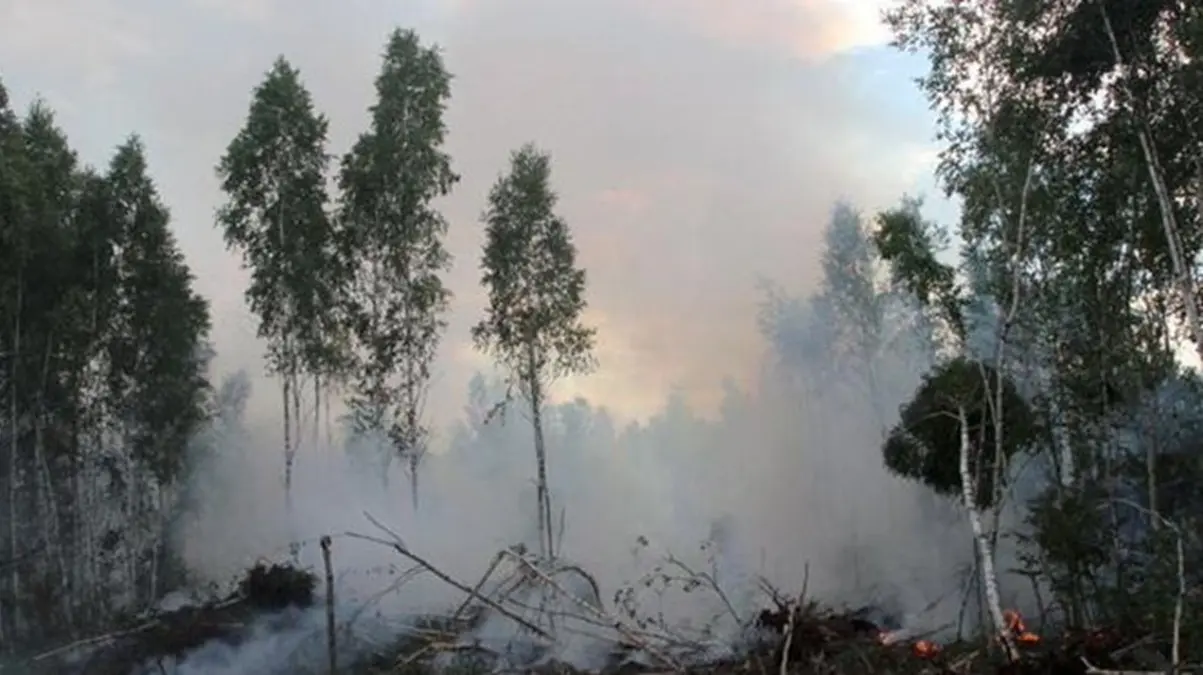
South America recorded the world’s highest level of forest loss over the past decade, according to a United Nations report that warned global efforts to halt and reverse deforestation remain off track ahead of the 2030 target.
RELATED: Colombia Hosts Ibero-American Congress on Arts Education
The report found that at least 41 million hectares of forest disappeared across South America between 2015 and 2025, an average of 4.10 million hectares annually. The figure includes 10 million hectares of primary forest, ecosystems considered critical for biodiversity conservation, carbon storage and climate regulation.
Africa registered the second-largest annual forest loss during the same period, with 2.96 million hectares disappearing each year. In contrast, Asia, Europe and Oceania recorded net gains in forest area, adding 1.62 million, 1.43 million and 140,000 hectares annually, respectively.
According to UN News, the United Nations recently warned that “the world remains far from halting and reversing deforestation by 2030,” as forests continue disappearing under pressure from agricultural expansion, urbanization and climate change.
“Forests are among the most vital natural resources on our planet,” United Nations Secretary-General António Guterres said, warning that these ecosystems face growing threats from “deforestation, rising temperatures, economic uncertainty and geopolitical divisions.”
Forests Under Increasing Pressure
The report highlighted a widening gap between international political commitments and current environmental trends. The target established under the United Nations Strategic Plan for Forests to expand global forest area by 3 percent by 2030 “remains off track.”
Although the rate of primary forest loss declined compared to previous years, the UN said these ecosystems continue disappearing at a pace of 1.61 million hectares annually. The organization warned that reforested areas cannot quickly recover the biodiversity or carbon storage capacity of original forests.
Agricultural expansion remains the leading driver of deforestation worldwide, according to the report, fueled by demand for food production, livestock, commercial crops and firewood. Urban growth, infrastructure development and population increases are also intensifying pressure on forests across Africa, South America and Asia.
The UN further warned that climate change is increasing the frequency of forest fires, droughts, heatwaves, pests and diseases affecting forest ecosystems, including in regions where deforestation rates have stabilized. The report noted that forests’ capacity to absorb large quantities of carbon is weakening.
Global investment in sustainable forest management reached US$84 billion in 2023, but the report said the figure remains far below the estimated US$300 billion required annually to meet 2030 goals. The financing gap particularly affects low- and middle-income countries facing economic pressures and limited resources for environmental protection.
While the report noted that more governments are incorporating forest protection into development plans and strengthening restoration commitments, the overall assessment remained negative. Of the 26 forest-related targets under evaluation, only seven showed solid progress, while two major objectives — reversing forest loss and eradicating extreme poverty among forest-dependent populations — remain off track.
Author: MK
Source: UN News