


Sinaloa Governor Remains in Mexico Despite U.S. Indictment: Sheinbaum
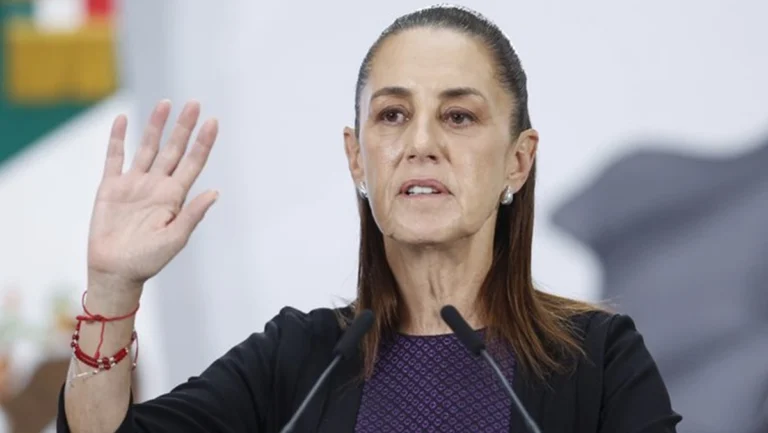
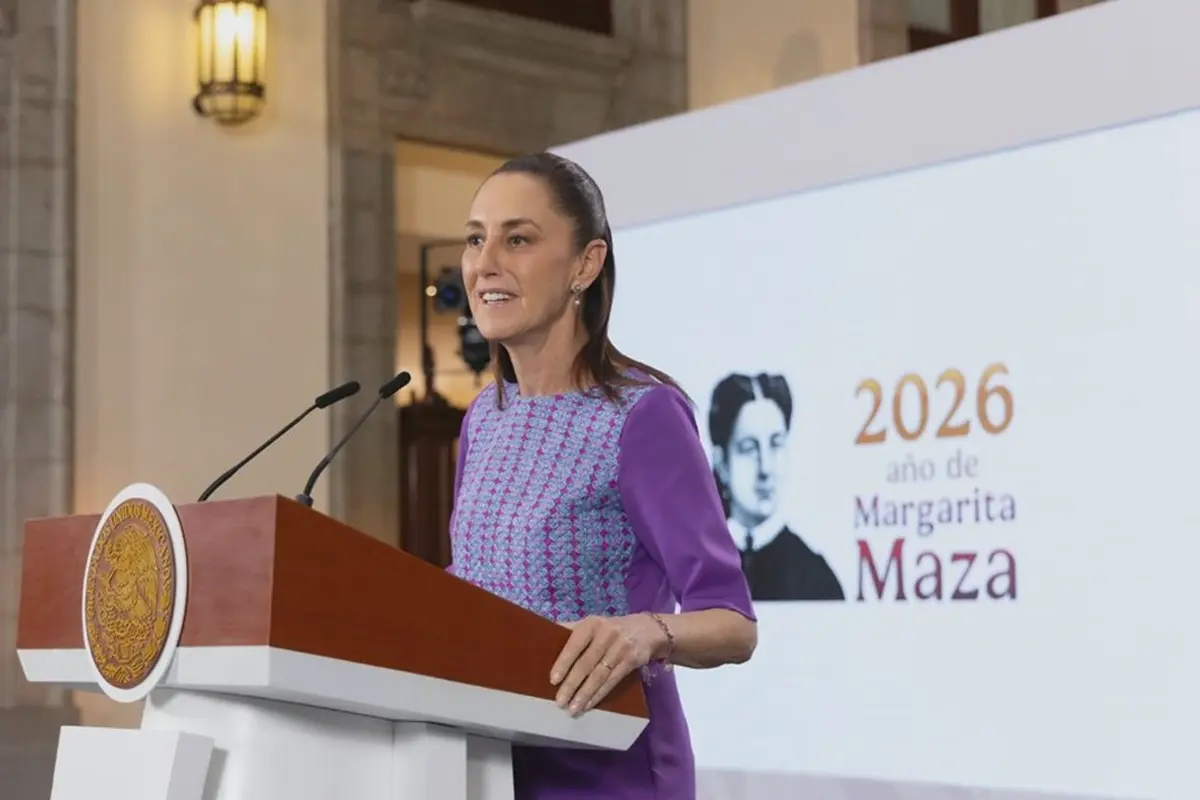
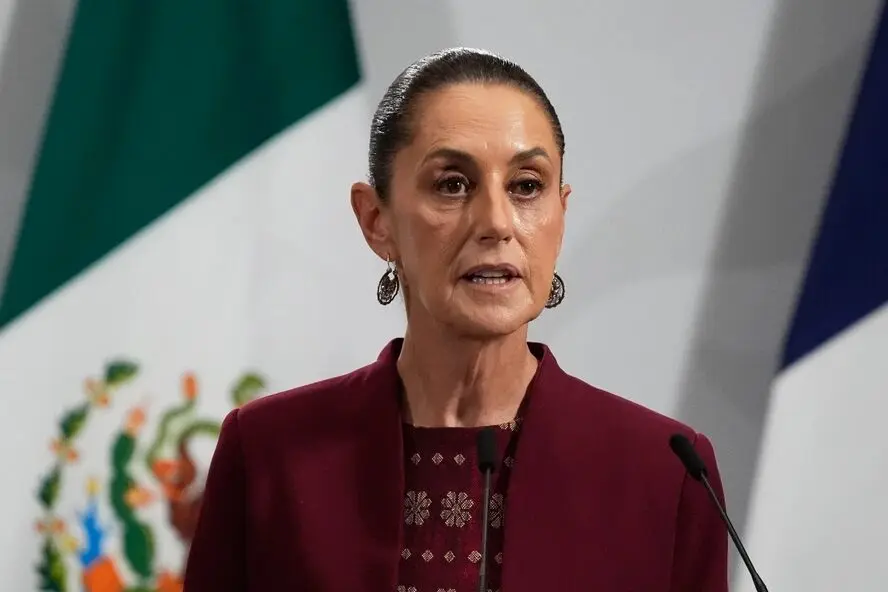
Mexican President Claudia Sheinbaum. X/ @ComentarioUdeC
May 11, 2026 Hour: 12:57 pm
🔗 Comparte este artículo
On Monday, Mexican President Claudia Sheinbaum confirmed that Sinaloa Governor Ruben Rocha Moya remains in the country, despite the U.S. Department of Justice’s indictment requesting his urgent arrest for extradition.
RELATED:
Sinaloa Governor House Attack: 10 Heavy Weapon Rounds Hit Rocha Moya Residence
Rocha Moya, a member of the ruling National Regeneration Movement (Morena) party, requested a leave of absence last week to temporarily step down from his post while the Attorney General’s Office investigates the case.
“The Secretary of Security can provide more information tomorrow, but he is in Sinaloa,” the Mexican president stated.
Sheinbaum criticized the many falsehoods circulating on social media regarding this case, stressing the importance of verified information over propaganda, amidst rumors about the official’s whereabouts.
This statement coincides with what was declared last week by the federal Secretary of Security, Omar García Harfuch, who also confirmed the governor’s presence in his home state.
The U.S. Department of Justice accused Rocha Moya and nine state officials of allegedly collaborating with the Los Chapitos faction of the Sinaloa Cartel and allowing drug trafficking into the U.S. in exchange for bribes and political favors. U.S. authorities requested their urgent arrest for extradition purposes.
The Mexican government responded that this request does not correspond to an ordinary extradition procedure and that, so far, it does not have sufficient grounds to justify its urgent nature.
All those involved have rejected the accusations, in a case that has generated strong political controversy in Mexico and tensions in the relationship with the United States.
Furthermore, Sheinbaum insisted that the relationship with Washington must be maintained under four principles: respect for sovereignty and territorial integrity, shared and differentiated responsibilities, mutual respect, and mutual trust.