







Peruvian Elections: Fujimori, Lopez Aliaga Lead Votes

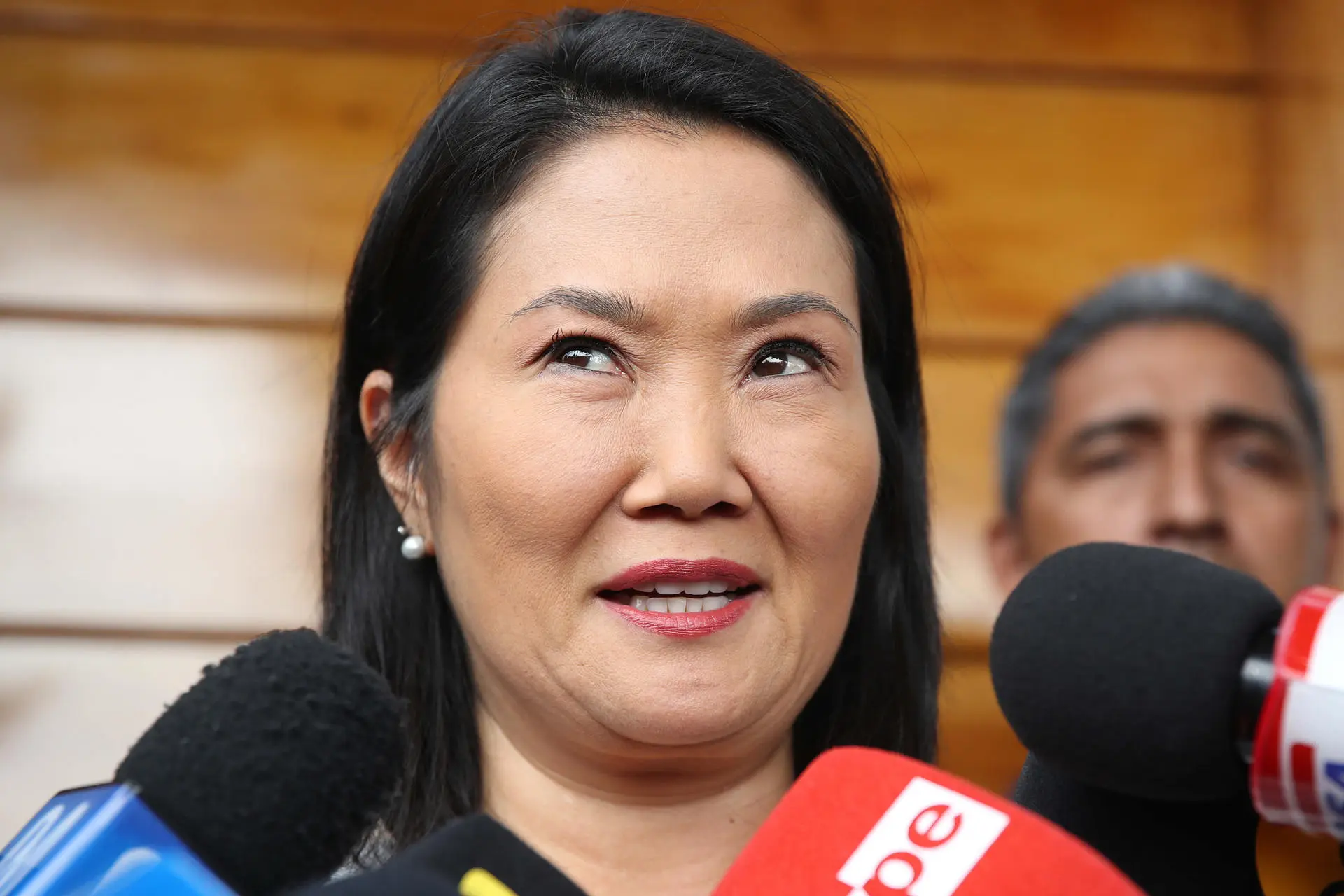
The National Office of Electoral Processes reported that the official results of the 2026 General Election put Keiko Fujimori in first place, with over 77.4% of the ballots counted. Photo: EFE.
April 14, 2026 Hour: 4:09 pm
🔗 Comparte este artículo
The National Office of Electoral Processes of Peru reported that Keiko Fujimori is ranked first in official results at 77.4% of the scrutinized minutes, in a contest marked by a close dispute and logistical problems that prolonged the suffrage.
Keiko Fujimori, from the Popular Force Party (Fuerza Popular, in Spanish), leads Peru’s general elections with over 77.4% of the ballots counted, as announced by the National Office of Electoral Processes (ONPE, in Spanish).
The race remains tight, with Rafael López Aliaga close behind, pointing to a probable second round in June amidst widespread electoral volatility and logistic challenges that prolonged voting.
According to data released by the National Office of Electoral Processes, presidential candidate Keiko Fujimori secured the top position in the general elections on April 14.
With nearly 17% of the valid votes (16.86%), Fujimori maintains a narrow lead in an electoral process marked by a dispersed vote and the absence of a dominant candidate. In second place is Rafael López Aliaga of the Popular Renovation Party, with approximately 14% of the suffrage. Jorge Nieto follows closely with just over 12.66%, underscoring a highly competitive landscape.
Text reads: “Results Update: Minutes recorded for president and vice presidents at 2:13:24 P.M. on April 14. See the results here ➡️ https://resultadoelectoral.onpe.gob.pe “
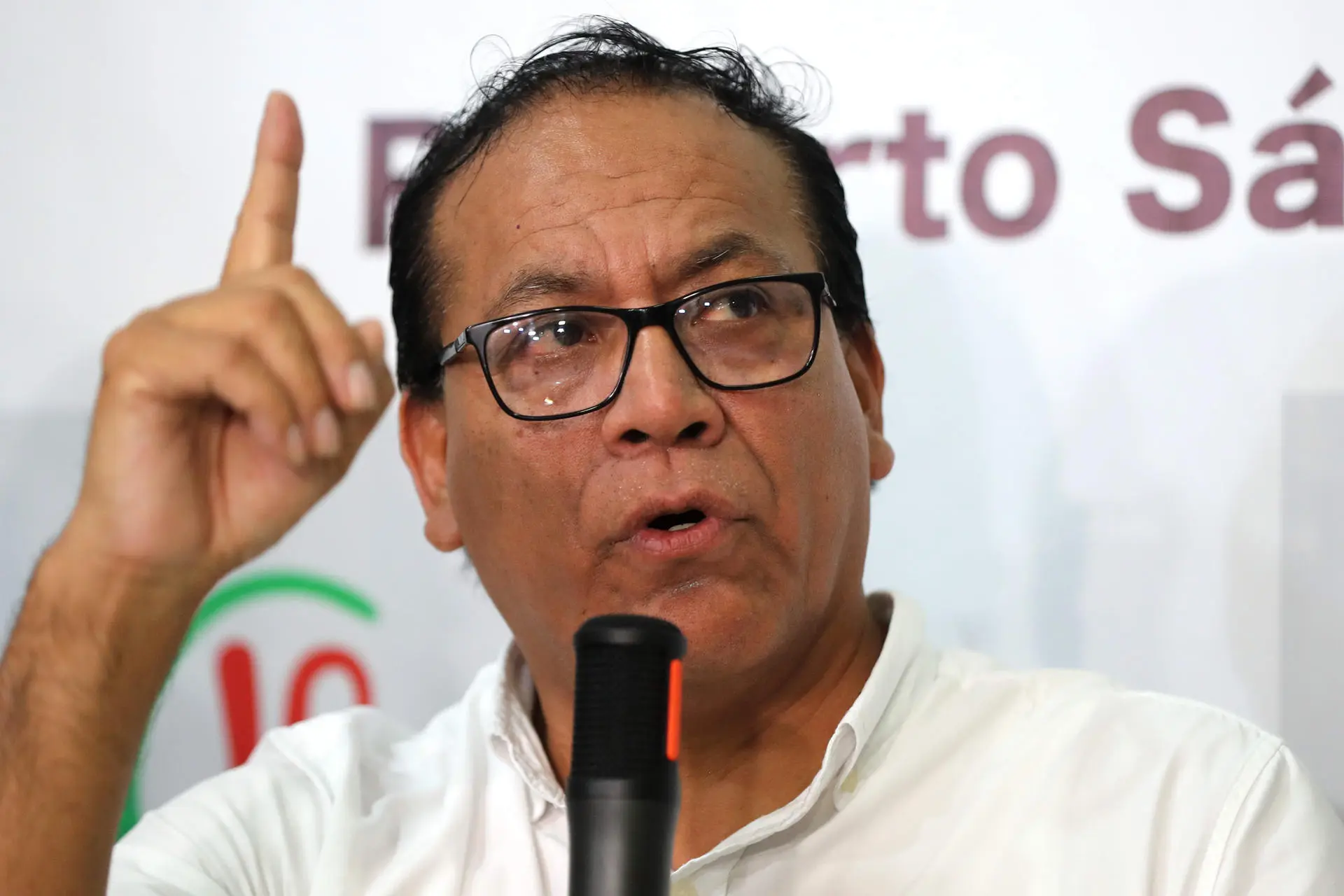
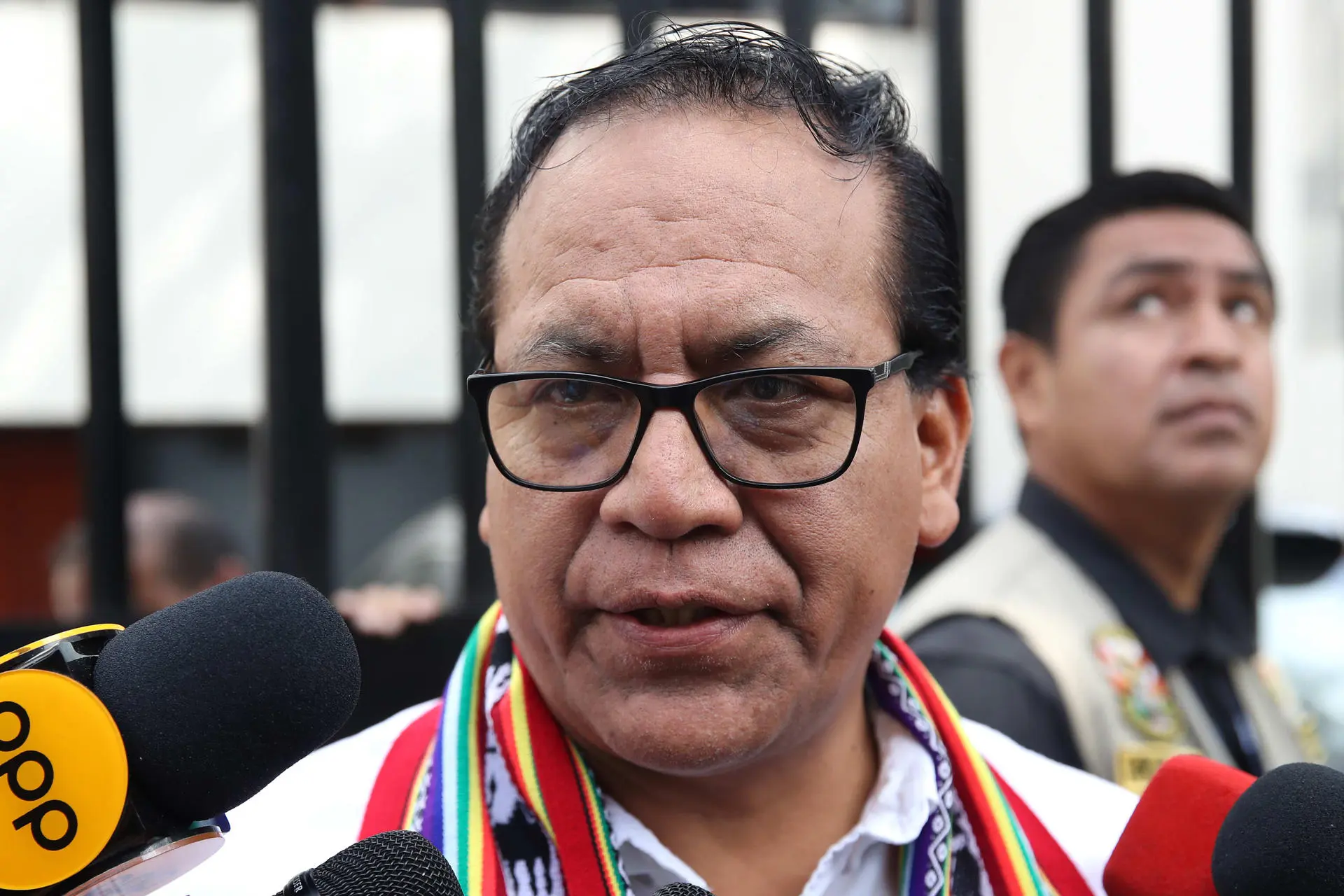
Other contenders, such as Ricardo Belmont and Roberto Sánchez, despite garnering some support, hold lower percentages in this initial count. These figures align with predictions from pollsters and quick counts, disseminated by various media outlets, which had already forewarned a fragmented election without a clear favorite among the candidates.
The notable discrepancy between initial projections from firms like Ipsos and Datum, which previously presented variable scenarios and even candidates vying for second place, and the partial results now observed, highlights the profound volatility characterizing the Peruvian electorate.
This situation is particularly noticeable in areas where the official count progresses at a slower pace, such as rural regions of the country and in the processing of votes cast by Peruvian citizens residing abroad.
Should this trend be confirmed, Fujimori and López Aliaga would face each other in a decisive second round, scheduled for next June 7.
The electoral day formally concluded on Monday, April 13, following an exceptional extension of voting hours to guarantee the right to vote for over 52,000 citizens who could not cast their ballots on Sunday due to a lack of electoral material. This issue affected voters in Lima districts like San Juan de Miraflores, Lurín, and Pachacamac, as well as in the consulates of Patterson and Orlando in the United States, where similar incidents were reported.
In response to these irregularities, the National Jury of Elections (JNE, in Spanish) filed a criminal complaint with the Public Ministry against National Office of Electoral Processes head, Piero Corvetto.
The country’s recent history has seen a succession of multiple Presidents in just a few years, a reality that has deepened public distrust and contributed to the high volatility currently displayed by the national electorate.
The Peruvian political landscape continues to reflect a deep-seated struggle for stability, with citizens navigating complex electoral processes and a constantly shifting leadership. The upcoming second round will be crucial in determining the immediate future of the nation, as voters once again head to the polls to decide between the two leading candidates.
Author: Laura V. Mor
Source: ONPE