







Bolivian Crisis Deepens As 36 Protesters Are Arrested in La Paz
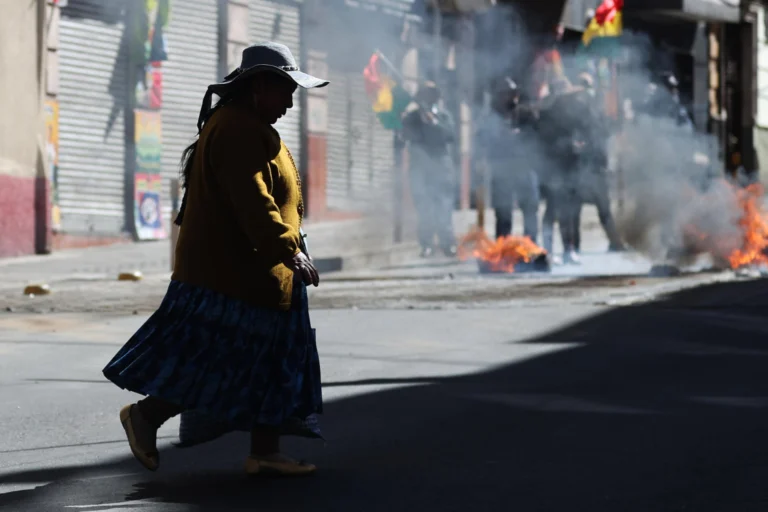
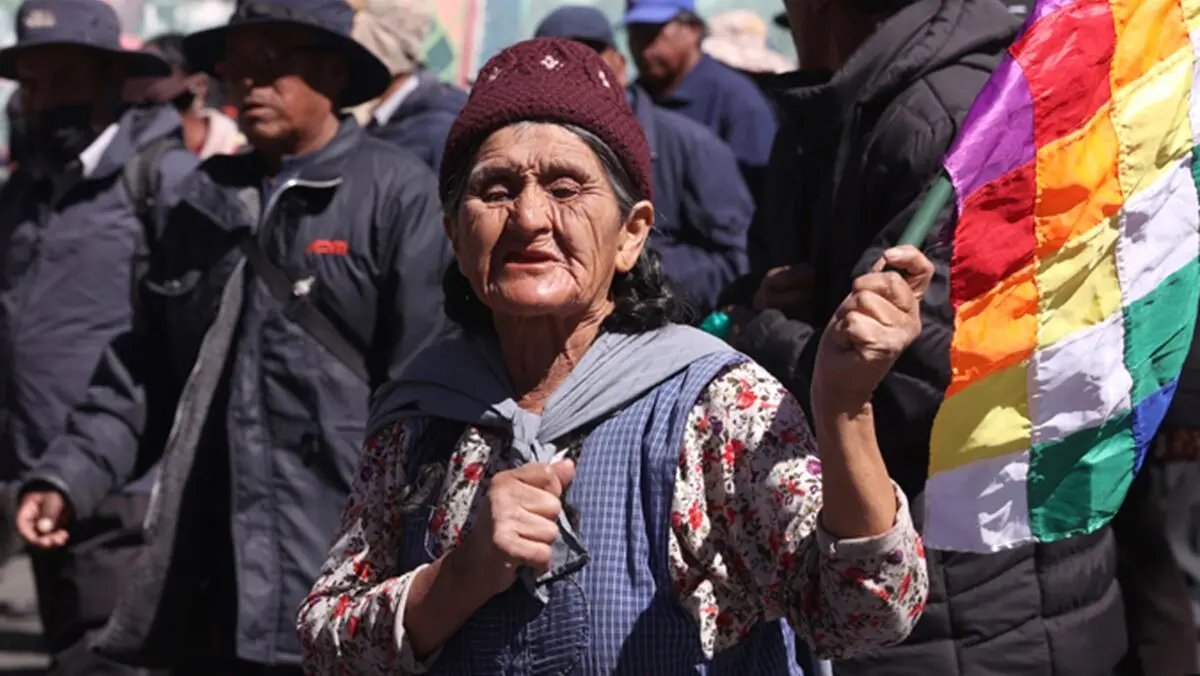
The protests turned into a clamor for the resignation of President Rodrigo Paz, under threat of the state of emergency. Photo: EFE.
June 11, 2026 Hour: 5:59 pm
🔗 Comparte este artículo
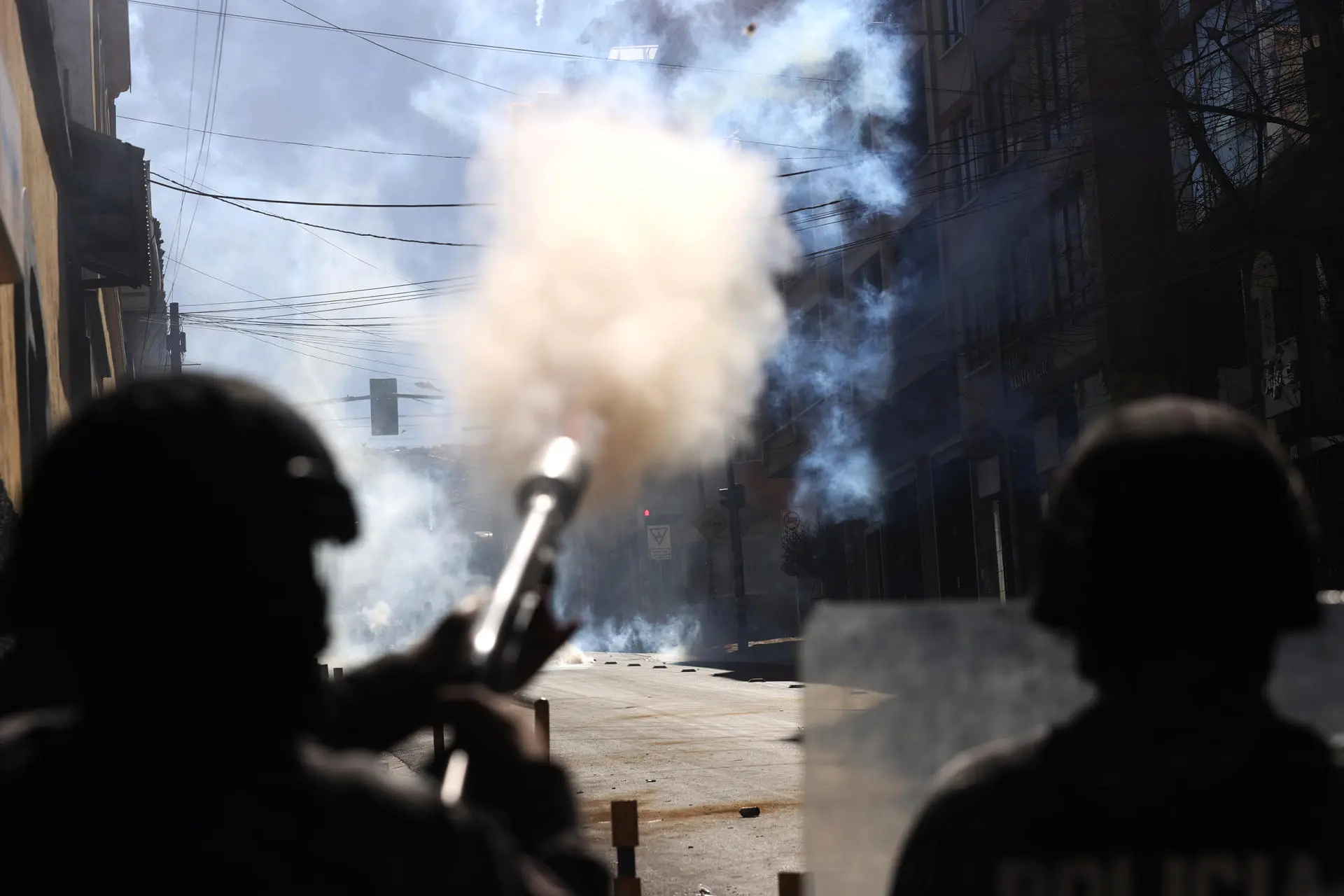
Bolivia’s police violently repressed a massive demonstration in La Paz this Thursday, detaining 36 people and injuring dozens during popular mobilizations demanding the immediate resignation of President Rodrigo Paz.
The political and social crisis in Bolivia escalated dramatically on June 11. The Bolivian Workers Union (COB, in Spanish) led a massive march in the capital, breaking a two-week period during which national security forces had kept the city center closed to social demonstrations.
Witnesses and Human Rights defenders denounced the excessive use of force, chemical agents and physical violence by the police forces to disperse the peaceful demonstrators.
RELATED: Evo Morales Challenges Bolivian President as Protests Enter Sixth Week
The mobilization began on May 1, after the national Executive rejected a petition submitted by more than 70 trade unions without providing any explanation. Since then, the administration of President Rodrigo Paz has systematically criminalized the social protests, labeling the demonstrators as participants in “narcoterrorism” and arbitrarily arresting prominent social leaders.
During today’s operations, the Police Command issued a controversial communique “recommending” that journalists, media workers and social media reporters keep their distance from the intervention zones. Human Rights organizations and independent press associations interpreted this measure as a deliberate attempt to shield police brutality and arbitrary detentions from public cameras and international scrutiny.
Furthermore, President Paz announced that he has a clear legal path to declare a state of exception at any moment. On June 8, the President promulgated the controversial Law 1740, which regulates states of exception. This legislation explicitly authorizes the Bolivian Armed Forces and the National Police to conduct joint military operations to suppress public demonstrations and clear roadblocks.
Shortages and Blockade
The implementation of a militarized state of exception would drastically suspend constitutional guarantees, reducing civil rights to a minimum. Currently, social organizations have established more than 90 highway blockades across national roads, completely cutting off major transit routes to demand the President’s resignation.
These continuous roadblocks have severely affected the supply of food and essential goods in La Paz and El Alto. The resulting scarcity has caused prices of the basic food basket to skyrocket. Additionally, a black market for fuel has emerged, where gasoline and diesel are sold at prices up to five times higher than the official state-regulated rate.
Faced with the threat of total militarization, the Catholic Church and the Ombudsman’s Office issued an urgent joint statement this Thursday, calling for an immediate departmental pact between the Government and social organizations to stop the state repression, avoid further bloodshed and find a negotiated political solution to the national conflict.