


M23 Attack in South Kivu Leaves 11 Dead Amid Fragile Peace Process in Eastern Congo
August 11, 2025 Hour: 7:31 pm
🔗 Comparte este artículo
At least eleven civilians were killed in a drone strike carried out by the March 23 Movement (M23) on Sunday in the mining village of Lwashunga, located in South Kivu province. The attack, confirmed by local civil society leaders, comes despite ongoing peace efforts between the Congolese government and the Rwandan-backed rebel group.
According to Jean Claude Nshobole Cizungu, president of civil society in the Kaniola region, the strike targeted a gold mining site, where M23 accused local miners of collaborating with Wazalendo militias, a network of pro-government self-defense groups. Nine people were killed instantly, and two others died later from injuries sustained in the blast.
The incident follows a series of violent escalations in eastern Congo, where M23 has intensified its campaign despite signing a Declaration of Principles with the Congolese government in Doha on July 19. That agreement, brokered by Qatar and supported by the United States, outlined a roadmap toward a final peace deal by August 18, including a ceasefire and prisoner exchanges.
However, implementation has faltered. M23 claims it was not invited to the second round of talks scheduled before August 8, and has refused to withdraw from occupied territories. The Congolese government, meanwhile, insists that any final agreement must include the restoration of state authority across all national territory, including areas currently under rebel control.
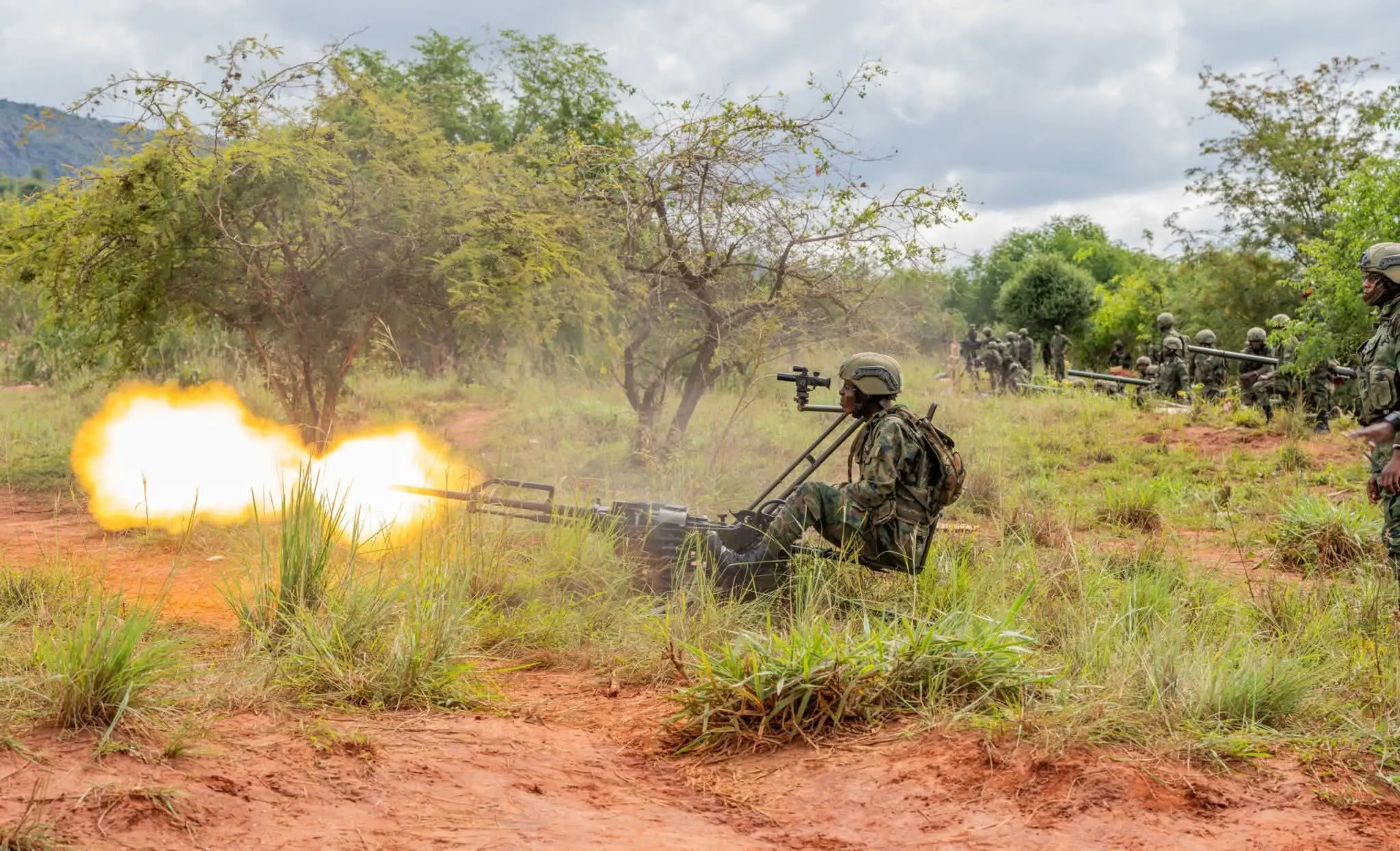
The attack on Lwashunga occurred just days after the United Nations reported the massacre of 319 civilians by M23 in North Kivu between July 9 and 21, including 19 children. The Congolese army also confirmed that M23 has killed more than 80 people in recent weeks and continues to forcibly recruit child soldiers, in violation of international law.
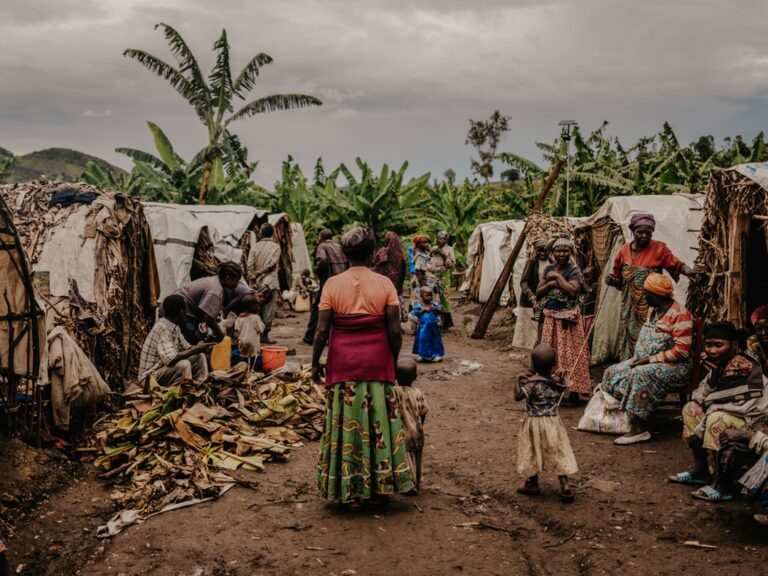
M23’s recent offensives have resulted in the capture of strategic localities such as Kaniola, Mulamba, and Nzibira, further consolidating its presence in South Kivu. These areas are critical for supply routes and host thousands of displaced civilians. Humanitarian agencies warn that continued rebel advances could cut off aid access and worsen the already dire humanitarian situation.
Despite the violence, the Doha peace framework remains active, with both sides expected to reconvene later this month. However, analysts caution that deep mistrust, disputes over territorial control, and lack of enforcement mechanisms threaten the viability of any long-term agreement.
The Congolese government has reiterated its commitment to peace but insists that M23 must comply with the terms of the Doha declaration, including the release of prisoners and the withdrawal from occupied zones. M23, in turn, demands the release of over 780 detainees and refuses to retreat without guarantees.
As the August 18 deadline approaches, the international community is watching closely. The United States, Qatar, and regional actors have invested diplomatic capital in the process, hoping to stabilize one of Africa’s most volatile regions and unlock economic cooperation in mining, infrastructure, and public health.
Author: OSG
Source: EFE-Africanews