


Iran Protest Deaths: Shocking 3,117 Official Toll Sparks Fierce Controversy
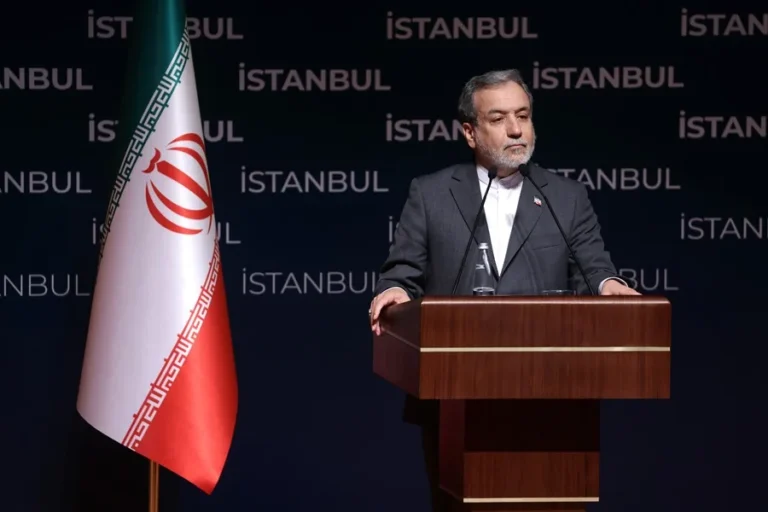
Foreign Minister Abbas Araghchi challenges international figures on Iran Protest Deaths, releasing official list of 3,117 victims while blaming external interference, February 2026.
February 21, 2026 Hour: 12:20 pm
🔗 Comparte este artículo
Iran Protest Deaths 2026 reach official 3,117 per government list, as FM Abbas Araghchi demands proof from West and Trump over higher claims. UN experts cite thousands more amid crackdown and escalating US threats.
Related: Diplomacy is the Only Path to Resolving the Nuclear Issue: Iran FM Araghi
Iran Demands Proof on Protest Deaths Accusations from West
Tehran, February 21, 2026 — Iran’s Foreign Minister Abbas Araghchi has called on Western critics and US President Donald Trump to provide evidence backing higher claims of fatalities during last month’s nationwide protests. The government maintains that Iran Protest Deaths totaled 3,117, including around 200 security agents, describing many as victims of a terrorist operation orchestrated externally.
Araghchi published the comprehensive official list on social media platform X, fulfilling what he termed a pledge of full transparency toward the Iranian people.
“If anyone disputes the accuracy of our data, please share any evidence,” the minister urged, directly addressing assertions of far greater losses.
He specifically rebutted Trump’s press conference statement claiming 32,000 people died in the unrest, labeling such figures unsubstantiated and politically motivated.
The official tally breaks down to approximately 2,447 civilians and security personnel, with the remainder identified as 690 armed terrorists allegedly funded and armed by the United States and Israel.
Geopolitical Context
Iran Protest Deaths occur amid acute domestic unrest sparked by economic grievances, severe currency devaluation, and calls for systemic change, escalating into one of the most intense challenges to the Islamic Republic in decades. The crackdown has drawn sharp international condemnation, with human rights groups documenting mass killings, arbitrary arrests exceeding tens of thousands, and internet blackouts to obscure events. Externally, this fuels heightened Iran US tensions, including Trump’s repeated threats of military intervention — potentially limited strikes — to pressure Tehran on nuclear talks or human rights. Regional fallout includes evacuation advisories from countries like Serbia, fears of broader Middle East instability disrupting energy routes, and involvement of global powers backing opposing narratives: Western states and allies pushing accountability, while others urge restraint to avoid escalation into wider conflict or proxy confrontations.
Official List and Rebuttals in Iran Protest Deaths Controversy
The Iranian government insists the protests devolved into violence due to Western intervention and internal agents provocateurs. Araghchi emphasized that the published list includes victims from diverse backgrounds but attributes much of the bloodshed to armed elements disrupting peaceful demonstrations.
“The great majority of those detained or killed are ordinary people, including children, from all provinces and various ethnic and religious origins, as well as Afghan citizens,” experts aligned with official views noted, while adding that violence from Western-financed agents contributed significantly to casualties.
The minister reiterated Iran’s commitment to reciprocity in diplomacy. “If you speak with respect, you will be treated with respect,” he stated, underscoring Tehran’s preference for dialogue over confrontation.
Araghchi linked the discourse to broader rights, reaffirming Iran’s pursuit of recognition for peaceful nuclear energy use rather than escalation.
For details on the government’s victim list and transparency claims, see Al Jazeera’s coverage of Araghchi’s statement.
Further analysis of disputed figures is available from Anadolu Agency’s report.
International Estimates and Escalating Tensions Around Iran Protest Deaths
UN Special Rapporteur on human rights in Iran, Mai Sato, indicated that more than 20,000 civilians may have perished, though she cautioned that information remains limited due to heavy internet filtering and a nationwide communications blackout imposed six weeks prior.
Independent organizations provide varying higher estimates: the US-based HRANA has documented over 7,000 deaths with thousands more under investigation, while other groups suggest figures in the tens of thousands amid reports of mass unlawful killings.
These discrepancies fuel accusations that official numbers severely undercount losses, particularly among protesters, medical workers treating the wounded, journalists, lawyers, artists, and human rights defenders.
The context has grown more volatile with Trump’s indication he is considering military intervention. “I think I can say that I am considering it,” the US president replied to journalists regarding potential escalation.
Serbia became the latest nation to urge its citizens to leave Iran immediately, citing deteriorating security amid fears of regional war.
For UN experts’ calls for transparency and accountability, refer to the OHCHR press release.
The debate over Iran Protest Deaths underscores deep divisions in narratives surrounding the unrest. While Tehran presents its 3,117 figure as evidence-based transparency and blames external sabotage, international voices and rights monitors highlight a far graver toll from state repression. As threats of military action loom and diplomatic channels strain under nuclear and human rights pressures, the coming period will test whether evidence-sharing or escalation prevails in this critical standoff.
Author: JMVR
Source: Agencias