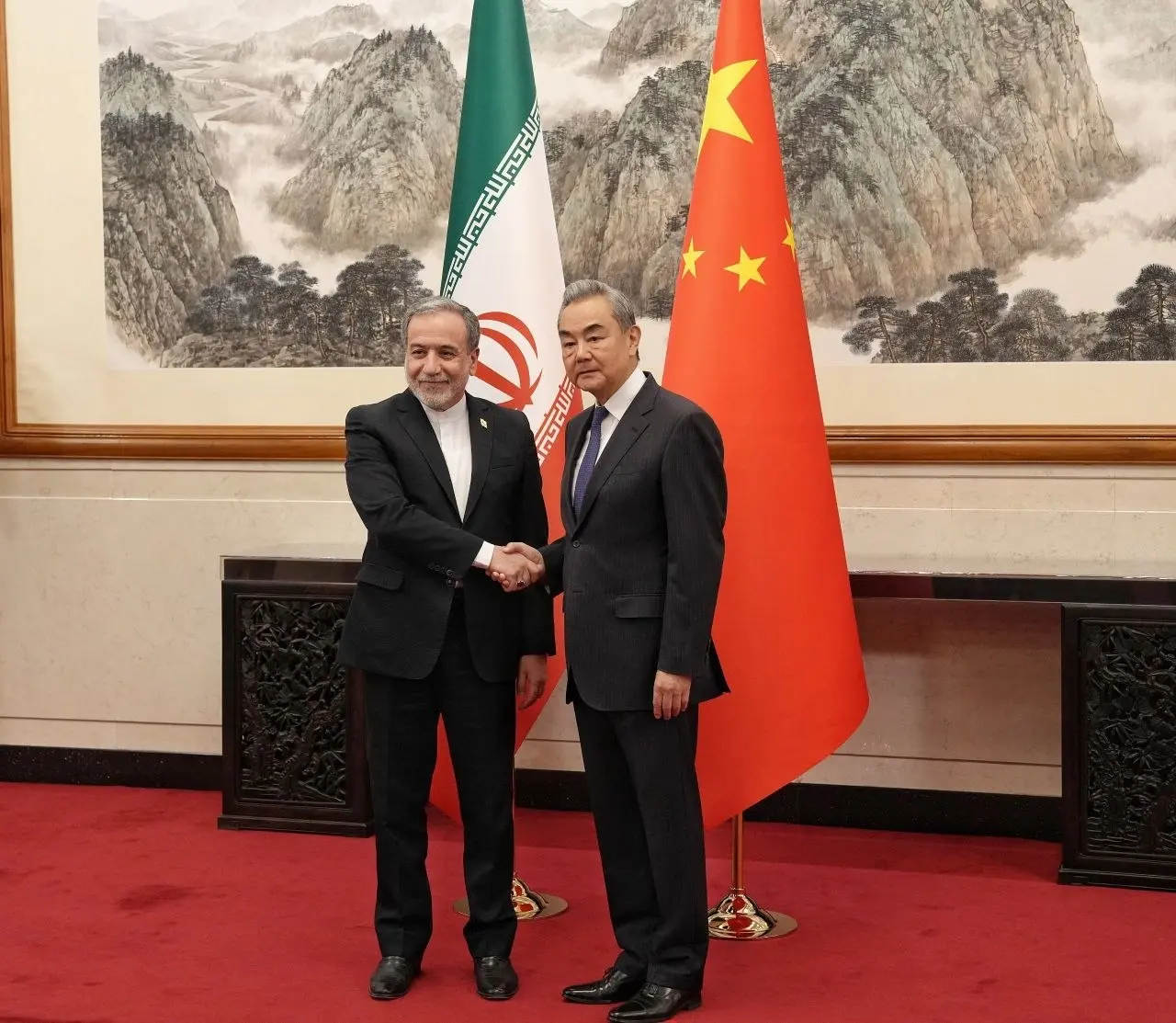



Iran Expands Its Operational Reach in the Strait of Hormuz: Gen. Akbarzadeh
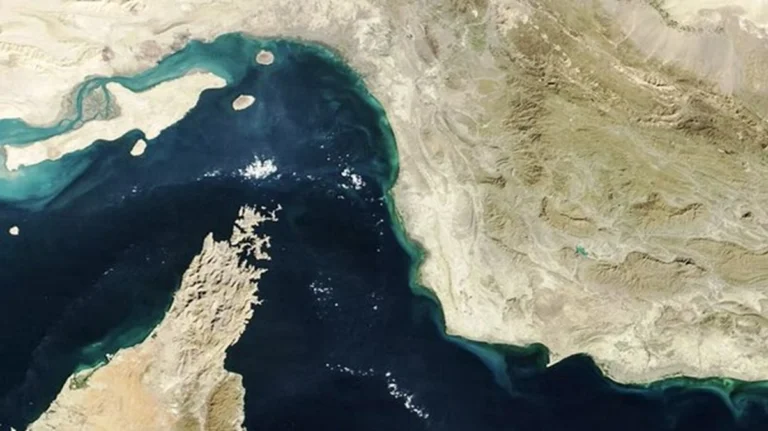
Satellite view of the Strait of Hormuz, 2026. X/ @aijesinfo
May 12, 2026 Hour: 2:16 pm
🔗 Comparte este artículo
The Persian nation remains in permanent surveillance of what happens in this waterway.
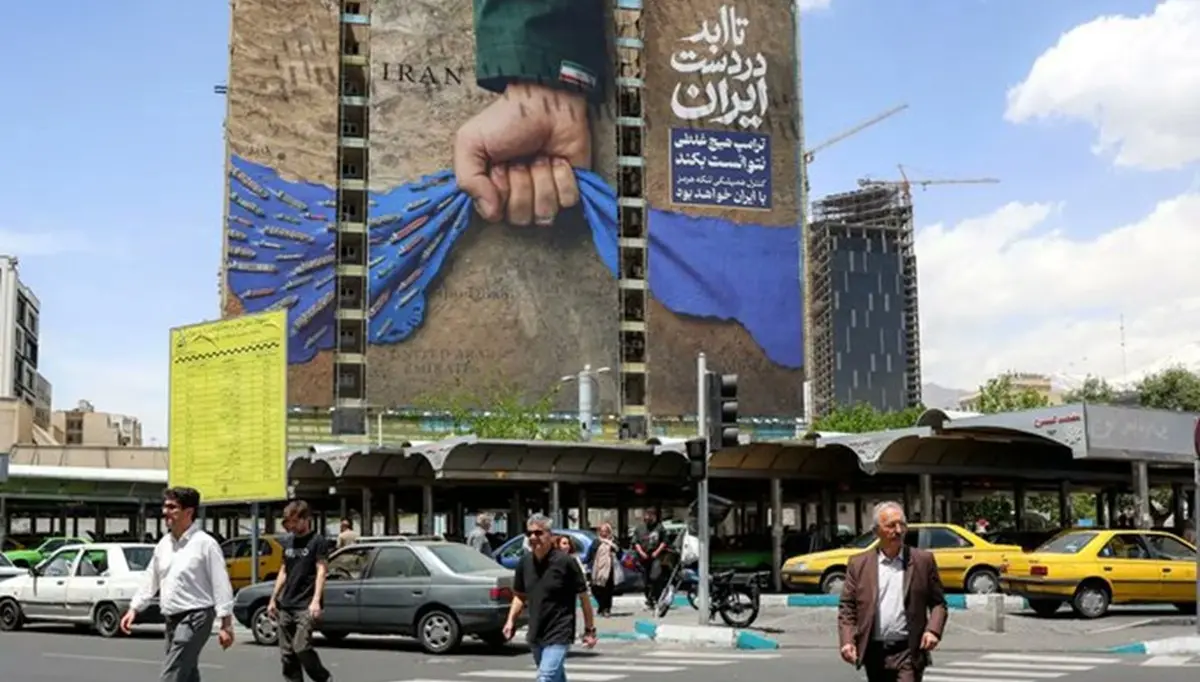
On Tuesday, Gen. Mohammad Akbarzadeh, political deputy of the naval branch of the Islamic Revolutionary Guard Corps (IRGC), announced that Iran has “notably” expanded the perimeter of the Strait of Hormuz as part of a new strategic plan.
RELATED:
EU Firms Report Supply Chain Disruptions From U.S.-Israeli War on Iran
The zone now extends from the coasts of Jask and Siri to beyond the region’s large islands. According to Akbarzadeh, the strait was known as a limited perimeter around islands such as Hormuz and Hengam, “but the situation has changed; now it is more extensive and has become a vast operational zone.”
Akbarzadeh confirmed that the Persian nation remains in permanent surveillance of what happens in the Strait of Hormuz, a waterway between the Persian Gulf and the Gulf of Oman.
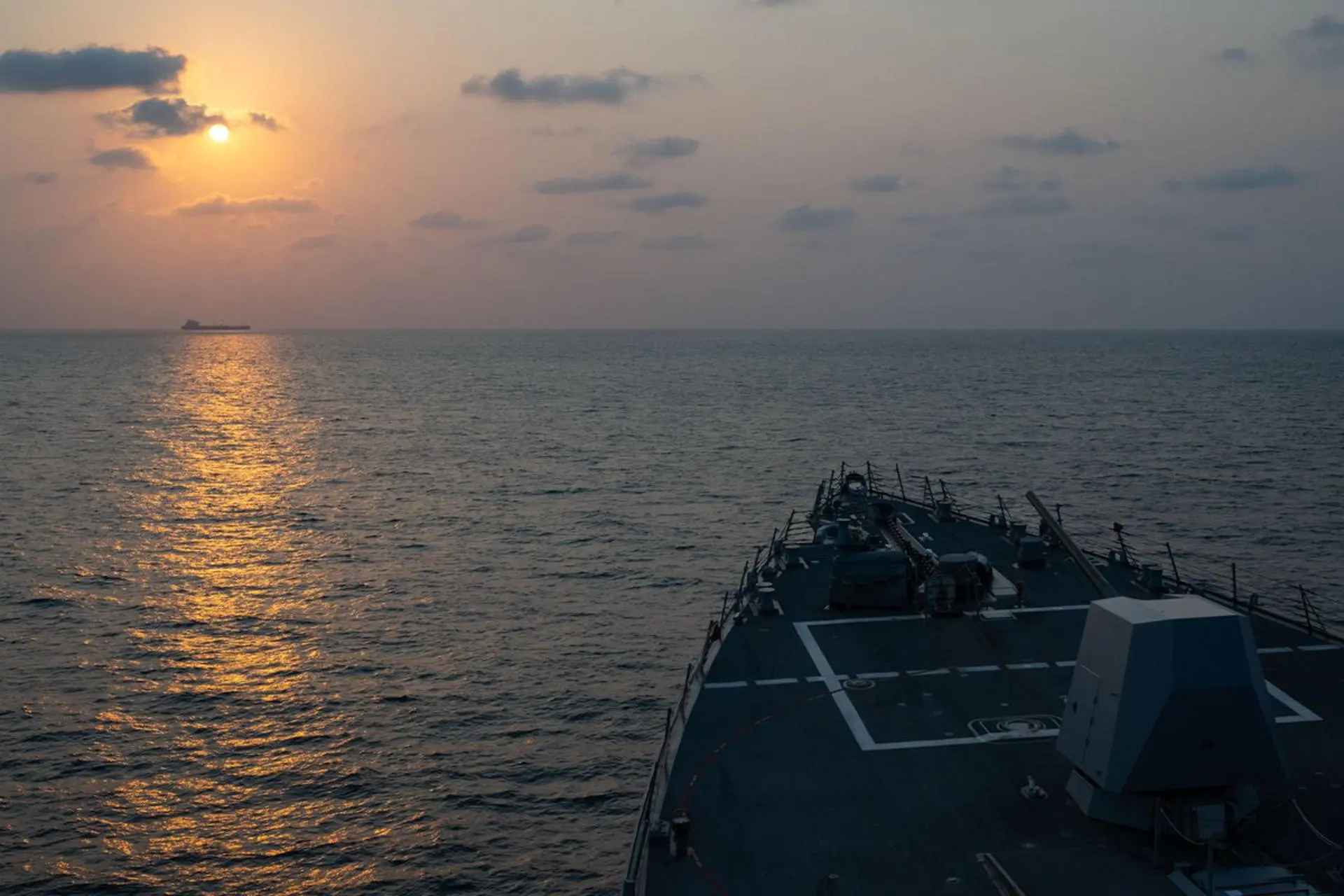
“In one recent case, an American frigate intended to pass through this area, but it was closely monitored by the armed forces. After observing some provocative behavior, the Iranian navy issued the necessary warning and fired at the targets, whereupon the ship immediately changed course,” he said, stressing that the Iranian forces will not allow any infringement upon its waters or interests.
“Our dear people should know that, as has been said, we shed blood, but we will not relinquish our land. The armed forces will defend the integrity of the country’s land and waters with all their might,” he pointed out.
Regarding the geopolitical importance of the conflict zone, he highlighted that his country considers the Strait of Hormuz not as a simple geographic area but as a clearly definable strategic zone.
“Iran has always borne a responsibility, and even, in my opinion, a ‘favor’ toward the world, because we harbor no animosity or conflict toward the peoples of the world. Rather, our words are directed at the governments that have always sought to antagonize Iran,” Akbarzadeh said, emphasizing that his nation bases its approach on a policy of de-escalation and enhanced security.
“We have always sought peace and security in the region, but the situation today has changed, and new policies are being implemented regarding the Strait of Hormuz, and the world will see their results. These policies were formulated within the framework of the supreme leader’s directives, and the Islamic Republic of Iran is committed to its rights,” he added.
“While some enemies claim that the Iranian navy has weakened or no longer exists, the design and implementation of the new map demonstrates that this force is strongly present in the region,” Akbarzadeh explained.
On Sunday, the commander of the Iranian navy, Shahram Irani, said that Iranian submarines “are operational, deploy and remain stationed on the seabed” in a state of alert and ready to respond to any threat to Iran, the country whose armed forces have the duty to protect the Strait of Hormuz.
He mentioned that the so-called “Persian dolphins”, which have high tactical mobility in the Gulf, have the ability to submerge for extended periods and conduct periodic maneuvers of constant surveillance.
Army spokesman Gen. Muhammad Akraminia warned countries that participate in U.S. sanctions that they will face “difficulties” transiting through Hormuz. He also stressed that Washington and Tel Aviv underestimated Iran’s determination to respond to external pressures.
teleSUR/ JF
Sources: SABA news Agency – Al Mayadeen