


Interview: Venezuela Builds Peace and Reconciliation with Its President Kidnapped in New York
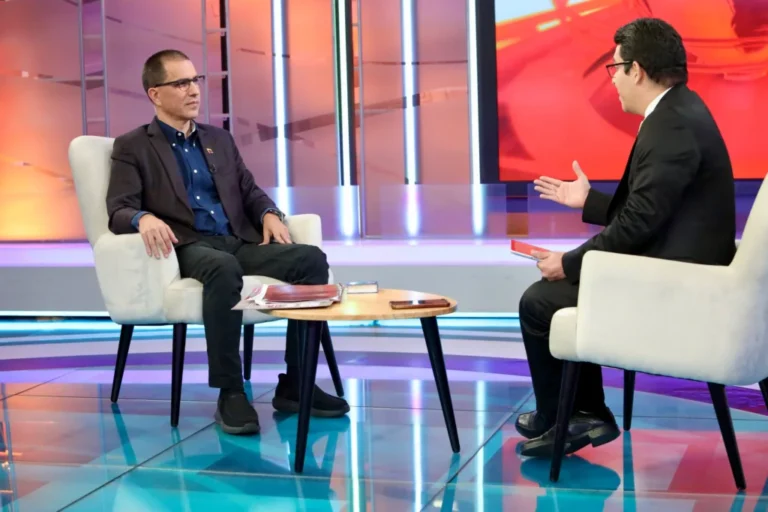
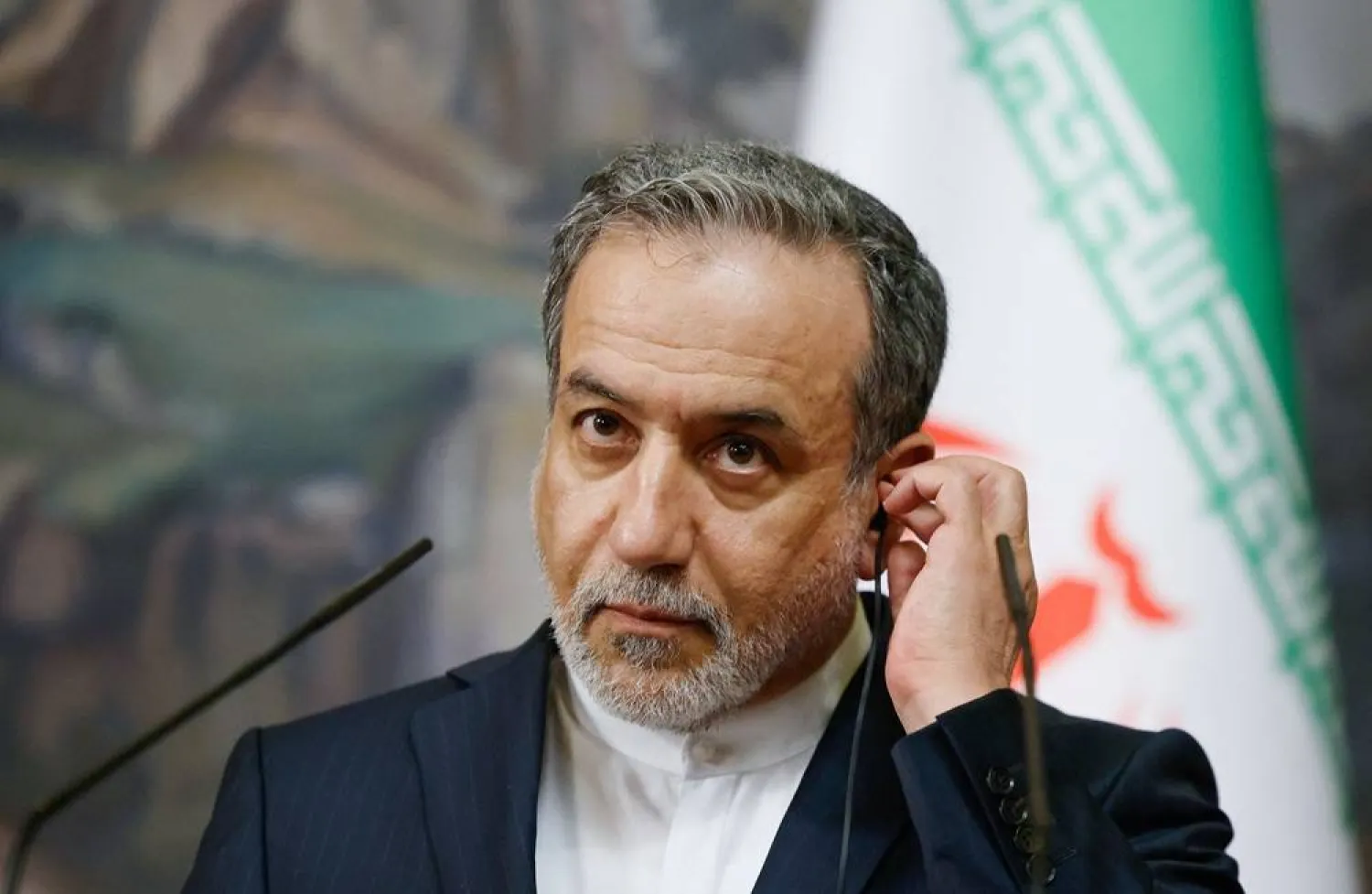
Arreaza: “We must know how to apologize for what we have failed, and we also hope that the other sectors will do their introspection. But, above all, we must be united to protect our sovereignty, our democracy, and our peace.” Photo: Courtesy.
March 3, 2026 Hour: 10:20 pm
🔗 Comparte este artículo
Following the illegal detention of the President and First Combatant in the United States, the Venezuelan National Assembly unanimously passed an amnesty law, a state bet for reconciliation in times of maximum pressure.
Venezuela is going through one of the most critical moments in its recent history. On January 3, in what the Venezuelan Government and people describe as a “state kidnapping”, constitutional President Nicolas Maduro and First Combatant Cilia Flores were illegally detained and transferred to a prison in New York, no proven charges or international legal support.
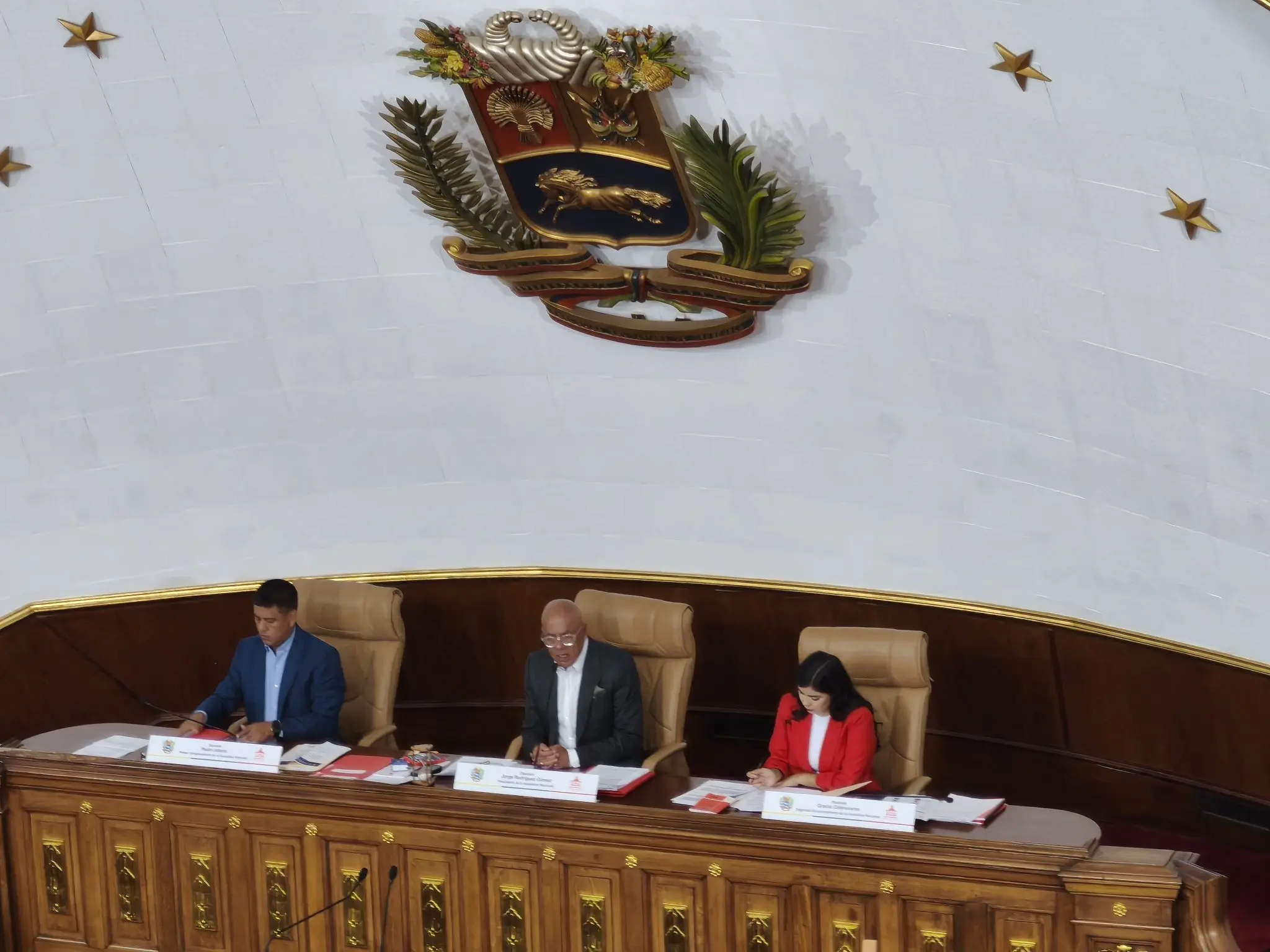
In this context of maximum external pressure imposed by the Trump administration, the Venezuelan National Assembly unanimously approved the Amnesty Law for Democratic Coexistence, promulgated on the same day by the Acting President Delcy Rodriguez.
RELATED: Venezuela Amnesty Law 2026: Transformative Step Ends Devastating Political Hatred
In less than two weeks, Venezuelan courts processed more than 9,000 applications and granted 5,628 full freedoms – releases from prison and rescission of precautionary measures – in the broader political reconciliation process of the Bolivarian era. To understand what this law means for Venezuela and the world, teleSUR spoke with the Deputy Jorge Arreaza, President of the Law Monitoring Commission.
How have these weeks been for the Commission?
On February 20, just one day after the law was approved, the Commission already met with the heads of the Office of the Attorney General of the Republic and the Supreme Court of Justice to establish the internal protocol for implementation. The speed of the process surprised even its own drivers.
I must commend the work of the Attorney General’s office and the Courts in Venezuela. They have received thousands of requests, responded to them, and the corresponding full freedoms have been implemented. The rhythms they carry are truly extraordinary, said Arreaza, emphasizing the synchrony between the public powers.
Who can apply for Amnesty and what is excluded?
One of the points that has created the greatest confusion in international media is the actual scope of the norm. Arreaza specified it with the law in hand.
Article 8 establishes 13 events of political demonstrations with violent events between 1999 and 2025: from coups d’état and oil sabotage to the so-called “guarimbas”, post-electoral conflicts and the 2016 Assembly that ignored the rest of the powers. Any person who commits crimes committed in connection with these events – deprived of liberty or under a protective measure – has the right to apply for the benefit.
Instead, Article 9 clearly delimits the exclusions: Human Rights violations, war crimes, intentional homicide, grievous bodily harm, drug trafficking, corruption offenses and especially those who promoted, financed or participated in armed aggression against the country or in conspiracies with mercenaries.
“Whoever killed someone cannot be amnestied” was their direct response.
What are the actual figures after 15 days of validity of the law?
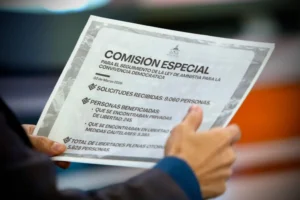
The statistics demystify narratives circulating in international media about the scale of political imprisonment in Venezuela. As of March 2, the commission’s data were as follows: 9,060 applications received by the Courts, of which 5,628 were granted full freedoms: 5,383 concerned persons who were already on remand with precautionary measures – required to be submitted every 15. 30 or 60 days before a judge- and 245 persons deprived of liberty who obtained their release.
“With the amnesty law making a great effort, there are 245 people actually detained. When you compare it with more than 5,000 who had a precautionary measure in freedom, the proportion speaks for itself”, said the Deputy, putting into context an account that abroad is often distorted.
How are law and military justice articulated?
The Commission also coordinated with the military justice system, which granted measures to 31 personnel and keeps other cases under review.
However, Arreaza was categorical about the military rebellion: “Imagine that we gave amnesty to a commander who rose up, stole weapons and wanted to carry out a coup d’état, and then went to his component and asked to be reinstated with troops in his command. In military terms, that is unfeasible”, he explained.
What role do victims play in this process?
Perhaps the most poignant chapter of the process was President Delcy Rodriguez’s encounter with victims of political violence in 2013, 2014, and 2017. Arreaza remembered it as a moment of high national consciousness.
“Mrs. Ines Esparragosa, Orlando Figuera’s mother – her son was burned alive -, told us: ‘Although it is very difficult for us, we accept and agree with this law.’ That gives moral authority to the amnesty and to the decisions that the State has taken”, reported the Deputy.
The person responsible for this death is in Spain, and Venezuela has not obtained his extradition. With this weight on top, the gesture of the victims acquires a dimension that goes beyond the law.
What does Article 16 guarantee about new crimes?
The law is not a “license for all. Article 16 states this unambiguously: beneficiaries who commit crimes after the entry into force will be prosecuted in accordance with current legislation.
“The amnesty extinguishes the past crime. But from now on it means more responsibility, more reflection”, stressed Arreaza, who admitted to having seen this commitment even in opposition figures with whom he had stopped talking for over a decade.
How was the law received by different political sectors?
Unanimous approval -with all parliamentary groups raising their hands- is already an indicator, but Arreaza broadened the picture: academics in criminal law, university figures traditionally linked to the opposition, and parliamentarians from different sectors have expressed their support.
“Even some who live in the U.S. or Europe have come forward to ask how to activate section 7 of the law and return to doing politics by constitutional means. That’s extraordinary news”, he affirmed.
The sectors that have disqualified the law are -according to the Deputy- a minority who historically bet on the coup d’état or foreign intervention. Their rejection has failed to prevail over the consensus that generated the legislation.
How is it different from previous amnesties?
Venezuela has a long tradition of amnesties. Commander Hugo Chavez promoted them; so did President Nicolas Maduro; but Arreaza did not avoid the critical reading of that record.
“They are similar in spirit, but the fact that we need such a law from time to time indicates that we have failed to break the cycle of political violence. Our bet is that this will be the last, at least for many decades”, he said.
The objective is not just to condone past behavior, but to install democratic coexistence as a permanent norm. A first step, in his own words, of many to come.
What comes next for the Commission?
The law does not have an expiry date. Anyone may file a petition in the future and the court will have 15 days to rule on it. The Committee, for its part, has the power to analyze complementary cases with some political bond that are not explicitly covered in the text.
In addition, it works in coordination with the Program for Peace and Coexistence, under the direction of Minister Ernesto Villegas, to attend situations of peasants judicialized in their struggles, tenants affected by unfair judicial decisions and workers in similar conditions.
“Processing 9,000 applications in 11 days is very complicated for any judicial system in the world. We have succeeded”, he concluded with pride.
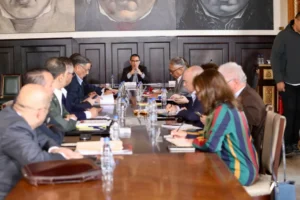
Deputy Arreaza closed the interview with a call for collective reflection. He recalled that Venezuela woke up on January, 3 listening to explosions, the product of what he described as an aggression by a nuclear military power, and that this episode makes one wonder which roads led there.
“We must know how to apologize for what we have failed, and we also expect the other sectors to do their self-reflection. But, above all, we must be united to protect our sovereignty, our democracy and our peace”, he said.
In a region that claims to be a Zone of Peace, Venezuela is betting that this law will be the beginning of a different cycle: no conspiracies, no forced indulgences, no repeat cycle.
Author: teleSUR
Source: teleSUR