


Alarming Houthis Missile Israel Strike 2026: First Attack Joins Iran War Escalation
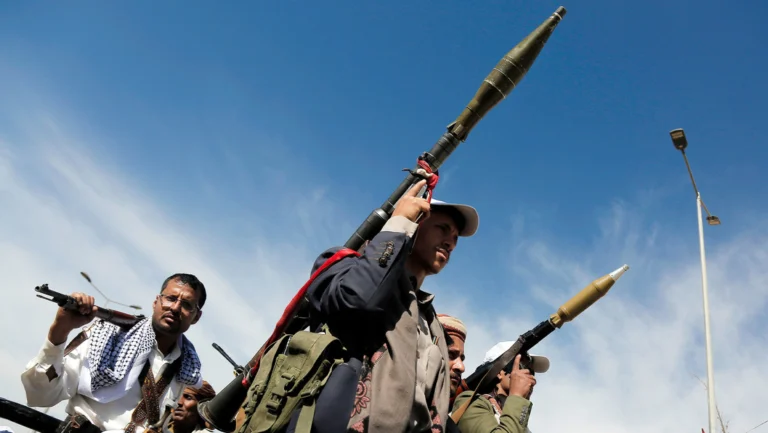
Yemen’s Houthi forces announce their first ballistic missile strike on Israeli military targets amid the ongoing war with Iran
March 28, 2026 Hour: 11:03 am
🔗 Comparte este artículo
Houthis missile Israel launch marks entry into the US-Israel war on Iran, with ballistic strikes on southern targets and threats to block Bab el-Mandeb Strait.
Alarming Houthis Missile Israel Strike: First Attack Joins Iran War Escalation
Houthis missile Israel marked a significant escalation on March 28, 2026, as the Iran-backed Yemeni rebel group announced its first direct ballistic missile attack against Israel. The move signals the Houthis’ formal entry into the broader conflict triggered by US-Israeli operations against Iran.
The Houthi Armed Forces issued a statement claiming the barrage targeted “sensitive military sites” in southern Israel. They described the strike as successful and framed it as solidarity with Iran and other resistance fronts in Lebanon, Iraq, and Palestine.
The group cited “attacks on infrastructure and crimes and massacres against our brothers” as justification. They vowed to continue operations “until the aggression ceases on all fronts of resistance.”
Israeli authorities reported detecting a missile originating from Yemen heading toward the Negev region. They claimed successful interception, with sirens activated in Beersheba and surrounding areas but no immediate reports of casualties or damage.
This development widens the battlefield as the Iran conflict enters its fourth week. The Houthis, who previously attacked Israel and Red Sea shipping during the Gaza war, had paused major operations after ceasefires but repeatedly warned of reactivation if Iran faced direct assault.
Palestine: 443 Attacks by Israeli Settlers in First Month of War Against Iran
Houthis Missile Israel Attack Threatens Broader Maritime Disruption
The Houthi statement explicitly linked the strike to support for the “Islamic Republic of Iran” and the Axis of Resistance. It positions the group as an active participant rather than a peripheral actor.
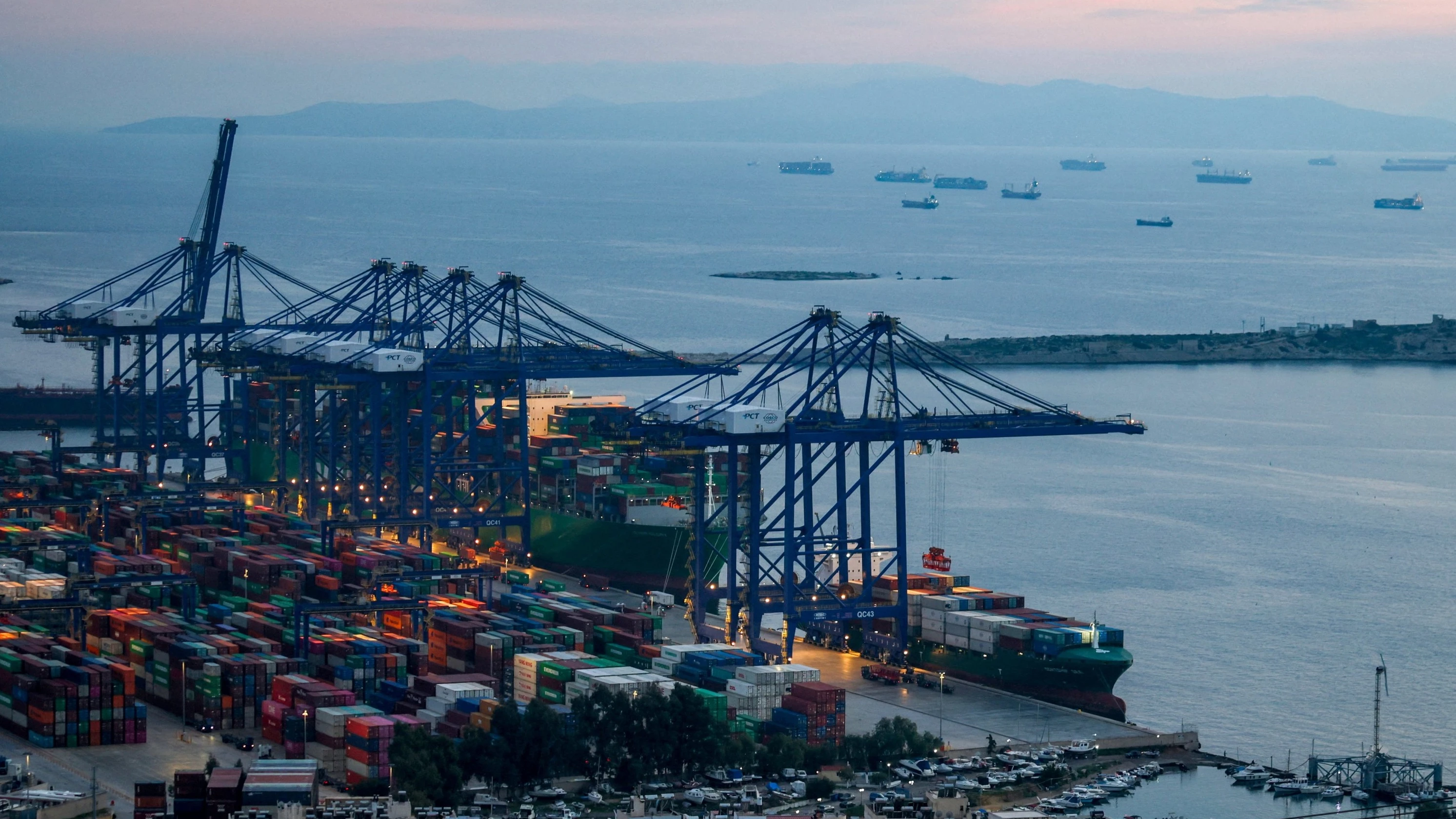
Earlier threats included potential closure of the Bab el-Mandeb Strait, a vital chokepoint connecting the Red Sea to the Gulf of Aden. Such a blockade would severely disrupt international shipping, affecting energy flows and global trade routes.
While not the Strait of Hormuz, Bab el-Mandeb remains strategically critical. Previous Houthi actions in the Red Sea demonstrated their capacity to impact maritime security and drive up insurance and shipping costs worldwide.
For official Houthi statements and military communiqués: Al-Masirah TV – Houthi Armed Forces Updates.
Additional analysis on maritime threats: The National – Houthis Threaten Bab al-Mandeb.
Geopolitical and Regional Implications
The Houthis missile Israel strike introduces a dangerous new dimension to the US-Israeli war on Iran. It risks stretching defensive resources thin, forcing Israel and the United States to divert attention, aircraft, and interceptors from Iranian fronts to Yemen.
In the Red Sea, renewed Houthi activity could trigger fresh attacks on commercial vessels, echoing disruptions seen in 2023-2025. This would compound economic pressures already felt from energy market volatility and shipping rerouting.
Regionally, the move strengthens the so-called Axis of Resistance, coordinating actions across Yemen, Lebanon, Iraq, and Gaza-adjacent areas. It complicates diplomatic efforts and raises fears of a multi-front war that could draw in more actors, including Gulf states.
Globally, the escalation threatens energy security and supply chains. Threats to Bab el-Mandeb highlight vulnerabilities in critical maritime arteries, potentially driving oil prices higher and affecting economies far beyond the Middle East.
Axis of Resistance Coordination and Future Risks
The Houthis’ decision reflects deepening alignment with Tehran. Their entry follows Iranian missile barrages and comes as US officials, including Secretary of State Marco Rubio, described the Iran conflict as lasting “weeks not months.”
Yemeni rebels have positioned themselves along key coastlines, maintaining missile and drone capabilities despite past Israeli and US retaliatory strikes on ports like Hodeidah.
Analysts warn that sustained Houthi involvement could serve as a force multiplier for Iran, depleting air defenses and creating operational dilemmas for coalition forces. Retaliation against Houthi positions remains likely, potentially targeting infrastructure vital to Yemen’s civilian population.
The group has not ruled out resuming Red Sea attacks on vessels linked to Israel, the US, or their allies. Such moves would test international naval responses and further strain global trade.
As the conflict evolves, the Houthis’ first missile strike serves as both symbolic solidarity and a tactical warning. It underscores the interconnected nature of regional fronts and the challenges of containing escalation in a volatile landscape.
The development adds urgency to calls for de-escalation and diplomatic off-ramps. With multiple actors now engaged, the risk of miscalculation grows, threatening wider instability across West Asia and beyond.
Author: JMVR
Source: Agencias