







Guinea-Bissau’s President Seeks Refuge in Senegal After Military Deposition
Guinea-Bissau’s president fled to Senegal after a military coup, as regional leaders press for stability and a return to constitutional rule.
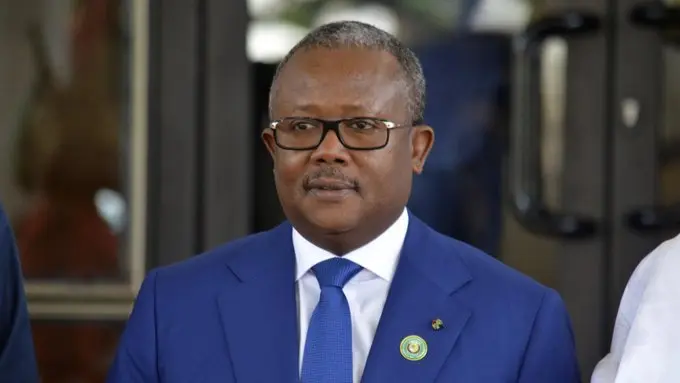
Government buildings in Bissau amid ongoing political tensions. Photo: @nigeriantribune
November 28, 2025 Hour: 6:54 am
🔗 Comparte este artículo
Guinea-Bissau’s outgoing president, Umaro Sissoco Embaló, fled to Senegal on Wednesday after being removed from power in a military coup, according to an official statement released by the Senegalese government.
RELATED:
Military Faction Claims Power in Guinea-Bissau
Senegal’s Ministry of African Integration and Foreign Affairs reported late Thursday that the government organized Embaló’s evacuation following negotiations with “all stakeholders in Guinea-Bissau.” According to the statement, authorities “chartered a plane to travel to Bissau,” which “allowed President Umaro Sissoco Embaló to arrive safely in Senegal.”
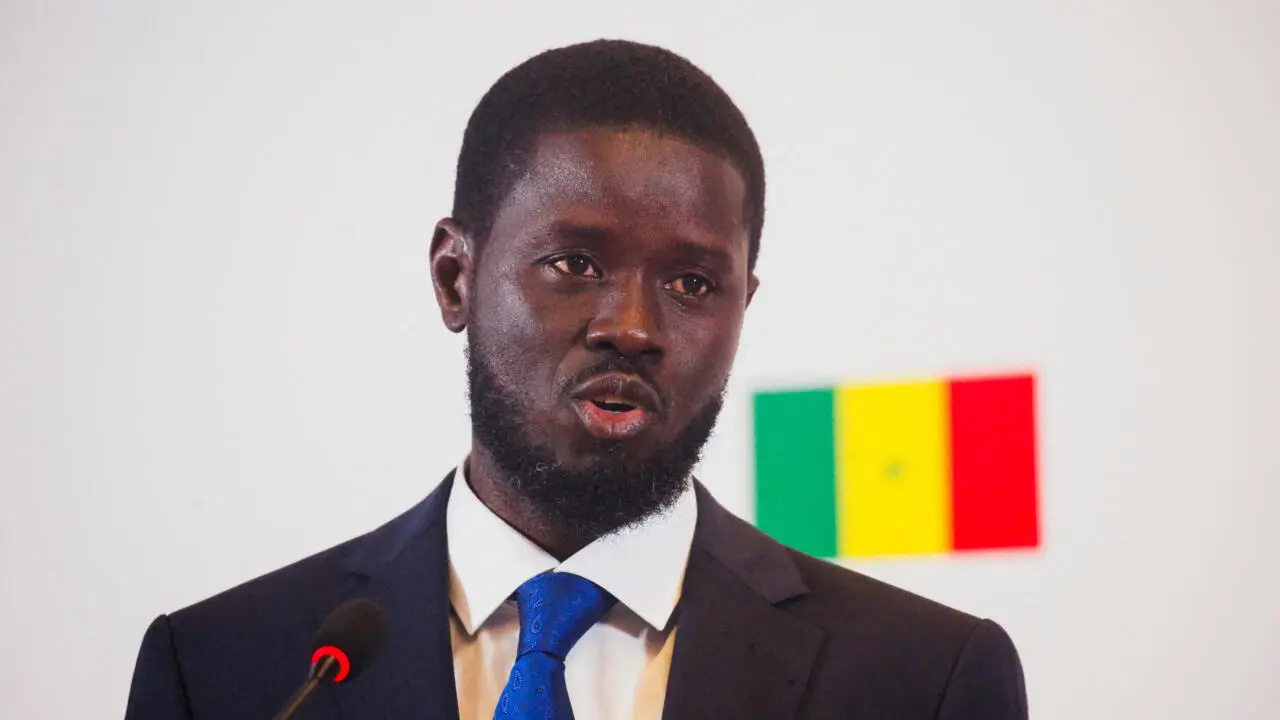
The ministry said Senegalese authorities, under the direct leadership of President Bassirou Diomaye Faye, have maintained continuous communication with political and military actors in Guinea-Bissau “since the beginning of the crisis.” These discussions focused on securing the release of Embaló, members of his entourage, and other detained political figures, as well as reopening the country’s borders to facilitate “the repatriation of people, including members of various election observation missions.”
The announcement followed President Faye’s participation in an extraordinary virtual summit of the Economic Community of West African States (ECOWAS) convened to assess the situation in Guinea-Bissau. Senegal reaffirmed its readiness to cooperate with ECOWAS, the African Union, and other partners to support dialogue, stability, and the rapid restoration of constitutional order and democratic legitimacy.
Military officers who seized power on Wednesday confirmed that General Horta N’ta, previously Embaló’s chief of staff, will lead a one-year transition. His appointment was formalized by the junta, which calls itself the High Military Command for the Restoration of National Security and Public Order, despite clear condemnations from the African Union, ECOWAS, South Africa, and Nigeria.
The coup unfolded on the eve of the expected release of provisional results from Sunday’s general elections, in which both Embaló and independent candidate Fernando Dias da Costa had declared victory. Embaló, elected in 2019, has governed amid recurrent political tensions, disputes within the security forces, allegations of failed plots, and ongoing concerns over military interference.
Since gaining independence from Portugal in 1974, Guinea-Bissau has endured four successful coups—in 1980, 1998–99, 2003, and 2012. The country’s Atlantic coastline has also made it a key transit point for cocaine trafficking between Latin America and Europe, intensifying pressure from criminal networks on its political system.
Author: MK
Source: EFE