







Senegal President Faye Excludes Nationalist Party from New Government
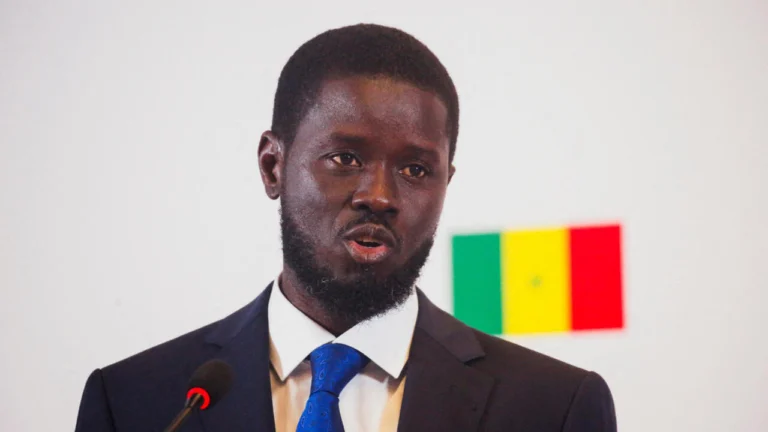
The exclusion of the nationalist platform deepens the political division in the West African nation amid a severe financial crisis and halted funding from the IMF. Photo: Reuters.
June 2, 2026 Hour: 7:28 pm
🔗 Comparte este artículo
The Senegal’s President Bassirou Diomaye Faye announced a new 30-member cabinet on June 2, that completely excludes the nationalist Pastef party led by parliamentarian Ousmane Sonko amid severe financial instability.
The sudden exclusion of the Patriots of Senegal (Pastef) Party, which originally propelled Faye to the presidency, marks a significant political shift in the West African country.
RELATED: Senegal Government Dismissal: 7 Shocking Changes Shake Faye-Sonko Alliance
This decision follows a failed meeting on Monday between the head of State and the former Prime Minister.
The two leaders failed to reach an agreement regarding the role of the legislative majority in designing national public policies.
Political Alliance Fractures
This definitive rupture occurs less than 14 days after Faye dismissed Sonko from his post as Prime Minister on May 22. The presidential decree ended months of public political disagreements and warnings of dismissal after a mutual loss of trust.
Despite the cabinet purge, the new administration, coordinated by Prime Minister and economist Ahmadou Al Aminou Lo, retains Cheikh Niang as Minister of Integration, Foreign Affairs, and Cheikh Diba as Minister of Finance.
This cabinet reshuffle follows the election of Sonko as President of the unicameral National Assembly one week ago. Sonko assumed the legislative leadership after the resignation of El Malick Ndiaye on May 24. From Parliament, Sonko announced that he will not use his legislative office to seek personal political revenge against Faye, although he confirmed he will maintain strict legislative oversight over the executive branch and protect state resources.
Economic Crisis Deepens
The alliance between the 46-year-old President and the 51-year-old legislative leader began in 2014 with the foundation of Pastef Party. The nationalist movement grew by mobilizing popular discontent against French neocolonial influence and corruption. After their imprisonment in 2023 for protesting electoral delays, both leaders were freed on March 14, 2024, under a political amnesty, leading to Faye’s electoral victory on March 24 after Sonko was disqualified.
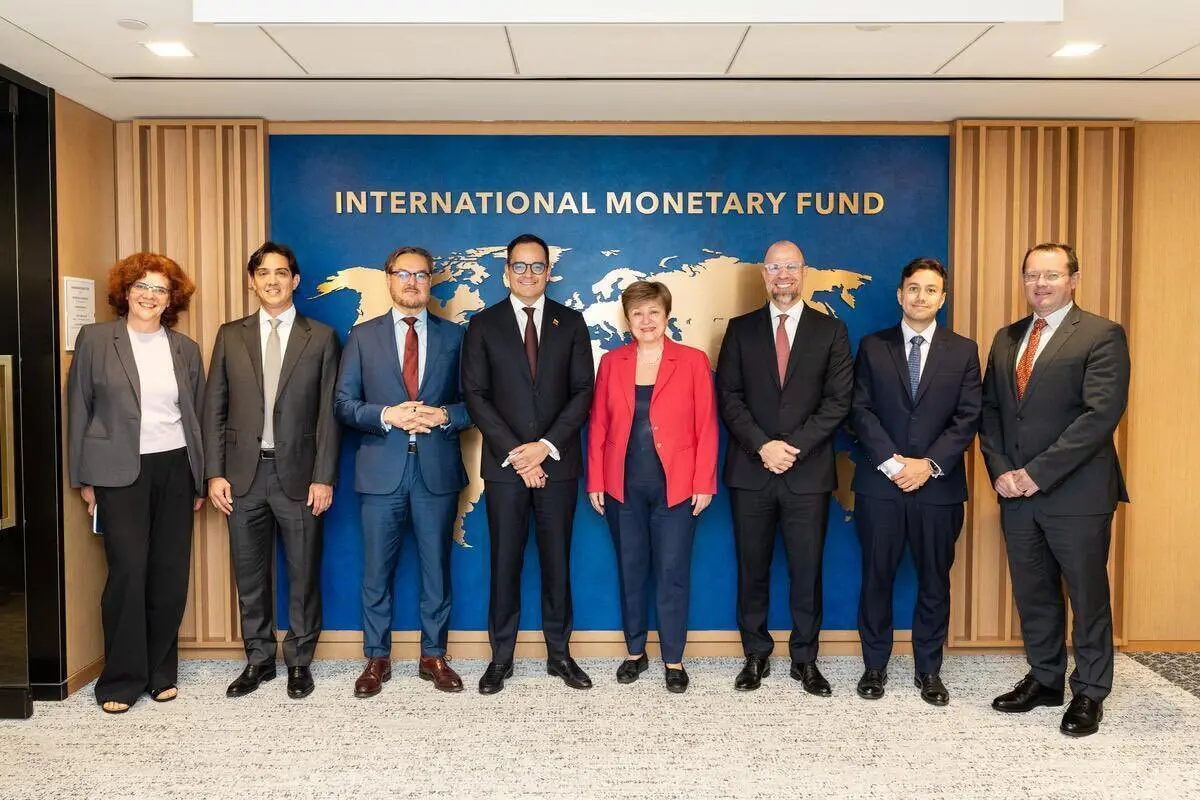
This internal political dispute coincides with a critical economic crisis in Senegal. The situation deteriorated after the discovery of hidden financial liabilities left by the previous administration. This discovery prompted the International Monetary Fund (IMF) to suspend a 1.8-billion-dollar credit program. By late 2024, public debt reached 132% of the Gross Domestic Product, forcing the state to seek urgent negotiations with the multilateral lender.
However, the Executive Power’s plan to implement IMF-mandated reforms, including raising domestic fuel prices, faces resolute opposition from Sonko in parliament. This legislative resistance could weaken the local currency and increase national debt servicing costs if political instability persists.
Author: Laura V. Mor
Source: Agencies