


Funding Cuts Push Nigeria to the Brink of a Major Hunger Emergency
As U.S. and Western funding declines, aid agencies warn of a worsening hunger crisis in northern Nigeria, where millions rely on shrinking humanitarian assistance.
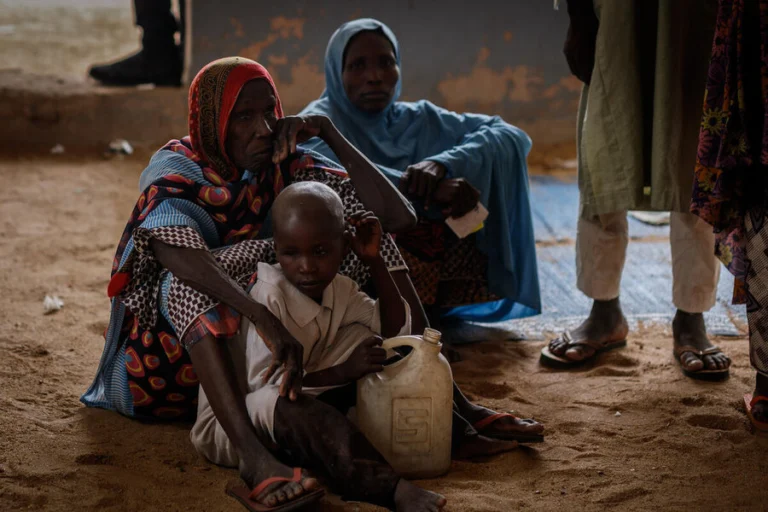
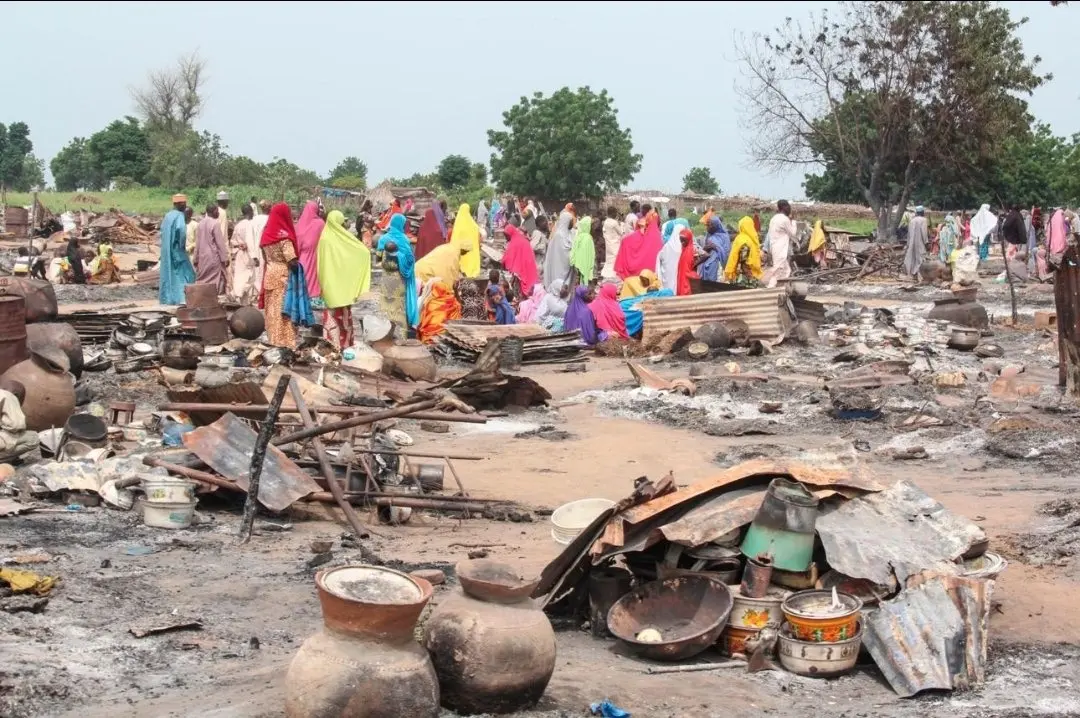
Millions in northern Nigeria depend on food aid that is now being cut back amid global funding shortfalls. Photo: World Food Programme Conflict and crime in the northeast and other parts of Nigeria triggered greater humanitarian needs in 2022. Food and nutrition insecurity in northeast Nigeria was exacerbated by tightening constraints on humanitarian access, increased food prices, and supply chain disruptions associated with events in Ukraine. Nigeria’s rural population struggled to grow food on unsafe or damaged land. Retailers of food and fuel dependent on imports faced challenges in managing the steep decline in the value of the naira against other currencies. As the current decade approaches its mid-point, Nigeria remains far from its goal of achieving zero hunger by 2030. WFP has been providing General Food Assistance (GFA) through Cash-Based Transfers (CBT) to internally displaced persons (IDPs) and other food insecure people in North-East Nigeria since 2016. WFP has scaled up its activities over the years to support IDPs and vulnerable beneficiaries affected by crises in both urban and rural areas to reach almost 1 million people with cash based transfers in 2022.
October 21, 2025 Hour: 4:29 am
🔗 Comparte este artículo
Nigeria is facing an escalating hunger emergency as international aid agencies warn that funding cuts — led by a drastic reduction in U.S. assistance — are crippling efforts to support millions of displaced people in the country’s conflict-affected north. The World Food Programme (WFP) estimates that 600,000 children are at risk of dying from malnutrition if relief operations continue to shrink.
RELATED:
Mandla Mandela denounces Israel’s abuses against South Africans after assault on Sumud Flotilla
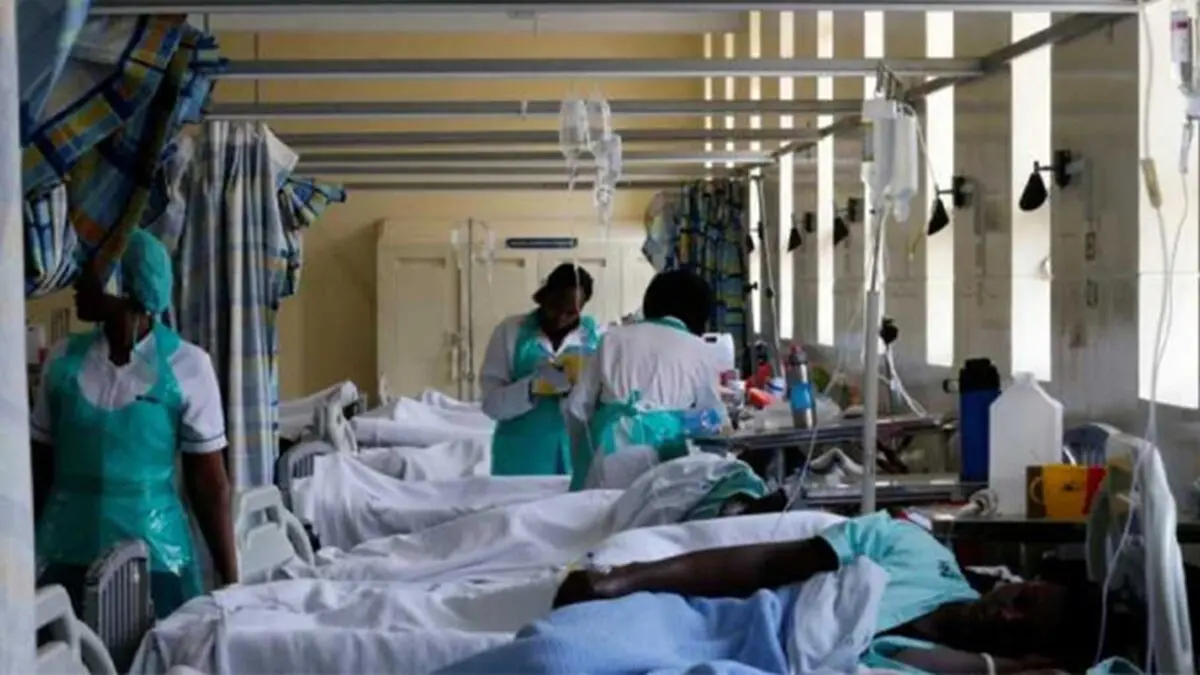
Humanitarian groups report that while needs across Nigeria have surged, resources have plummeted. The WFP has already been forced to close more than 150 nutrition clinics that once treated malnourished children and infants.
“There are millions of people who need our help,” said Ancel Kats of the WFP in Nigeria. “But the funding isn’t forthcoming.”
Until earlier this year, the United States provided over half of Nigeria’s humanitarian aid. That support collapsed shortly after President Donald Trump announced the dismantling of the U.S. Agency for International Development (USAID), causing an abrupt drop in foreign assistance. Several European governments have also reduced their development budgets, deepening the financial strain on relief programs.
Aid organisations managed to absorb some of the shortfall in the first half of the year, but the effects are now stark. The WFP faces a funding gap of more than $115 million in Nigeria alone and is scaling back operations across the continent.
In the town of Bama, in Borno State — one of the epicenters of displacement caused by ongoing violence — food distributions are already being cut back. “They all depend on WFP to distribute this food for them to eat,” said Soumbami Tukunabo, an aid worker with the Italian organisation InterSOS. “It would be very bad to tell them that due to global funding cuts there is going to be a reduction in caseload.”
The crisis extends beyond food relief. Following the end of USAID operations, Nigeria also lost $600 million in health sector support — roughly one-fifth of its total health budget — threatening basic services such as disease prevention, maternal care, and nutrition programs.
As humanitarian funding recedes and displacement continues, aid agencies warn that Nigeria could face one of Africa’s gravest hunger crises in decades. Without renewed international commitment, they say, millions of lives may soon depend on an aid system no longer able to respond.
Author: MK
Source: Africanews