


Nigeria to Hold Presidential Elections in January 2027
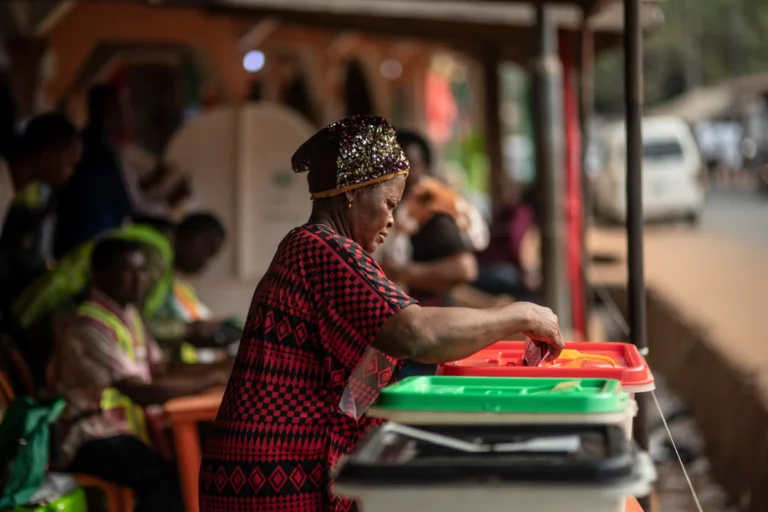
(FILE) Photo: AFP.
February 27, 2026 Hour: 10:38 pm
🔗 Comparte este artículo
Nigeria announced that the country’s next presidential elections will be held next January, earlier than planned.
Nigeria’s Electoral Commission announced that next presidential elections will take place next January, 16 moved forward from the original February date after criticism from Muslim leaders that it coincided with Ramadan.
A weekly review of the latest news from Spanish-speaking countries published in various Swiss media outlets.
RELATED: Nigeria: Gunmen Kill at Least 50 People
The elections were originally scheduled for February 20, 2027. However, the date was criticized by the Muslim community because it coincided with the month of Ramadan.
The parties will nominate their candidates between April 23 and May 30, 2026.
The last presidential elections, held in 2023, brought Bola Tinubu to power, and he will seek a second term in next year’s elections.
Last week, the president approved a law authorizing the real-time electronic transmission of election results.
Post-election disputes are common in Africa’s most populous country, and despite the deployment of new technologies by the electoral commission, its credibility continues to be frequently questioned.
This occurs within a context marked by the presence of U.S. military advisors within the armed forces. This action was justified within the framework of a bilateral defense cooperation program to strengthen the fight against terrorist threats.
The arrival of the U.S. advisors comes amid a growing presence of China and Russia on the African continent, in response to which the Trump Administration seeks to regain influence in the region alongside governments aligned with its policies.
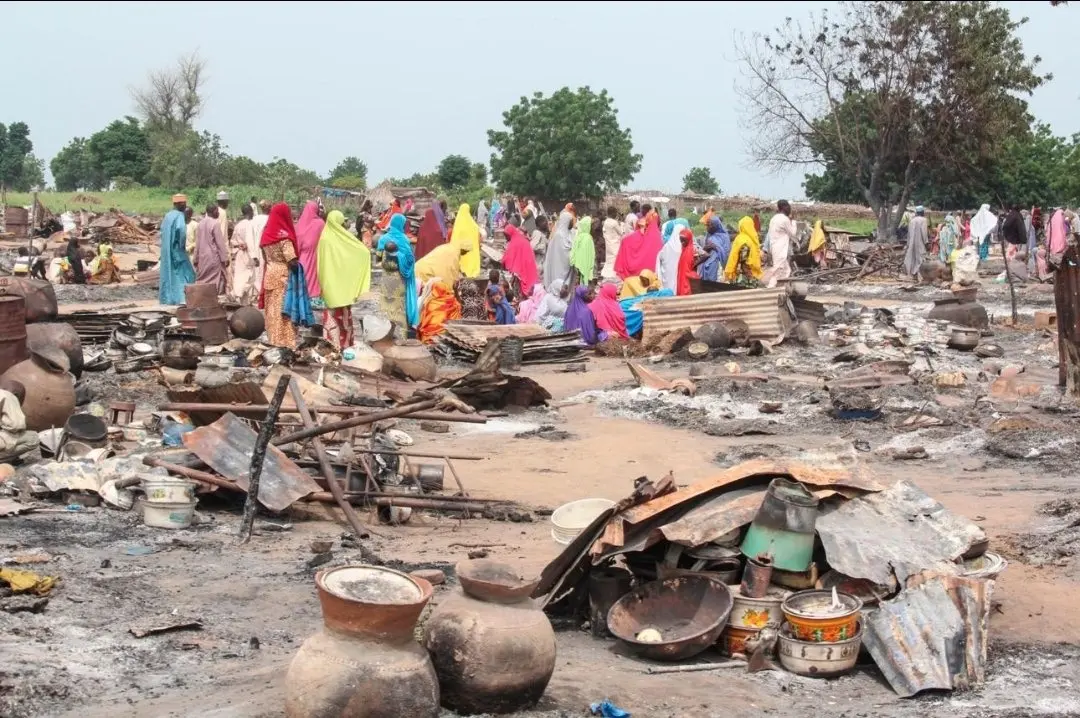
For years, Nigeria has faced a serious security crisis. In several regions of the central and northwestern parts of the country, there are frequent attacks by armed gangs that engage in robbery and kidnapping for extortion, and which are sometimes classified by the state as terrorist organizations. Adding to this scenario is the persistent activity of Boko Haram in northeastern Nigeria and, since 2016, that of its splinter group, the Islamic State in West Africa Province (ISWAP).
According to official figures and UN data, these groups have caused the deaths of more than 35,000 people and the displacement of around 2.7 million, mainly within Nigeria, but also in neighboring countries such as Cameroon, Chad, and Niger.
Author: HGV - LVM
Source: Al Mayadeen