


Cuba Mourns Eduardo Torres Cuevas: A Giant of History and National Identity Leaves an Indelible 55-Year Legacy
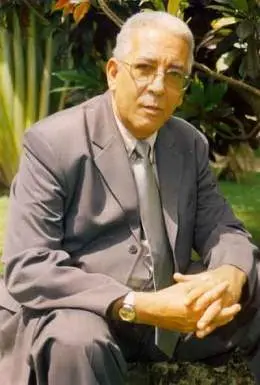
Eduardo Torres Cuevas, historian and guardian of Cuban identity, whose legacy endures in classrooms, archives, and the national soul. Photo: Perplexity 31/8/2025
August 31, 2025 Hour: 11:08 am
🔗 Comparte este artículo
The death of historian Eduardo Torres Cuevas marks a profound loss for Cuban culture. His legacy lives on through his scholarship, Martí studies, and dedication to national identity.
Related: Cuban Intellectuals Repudiate US Military Deployment in the Caribbean
A Nation in Mourning: The Passing of Eduardo Torres Cuevas
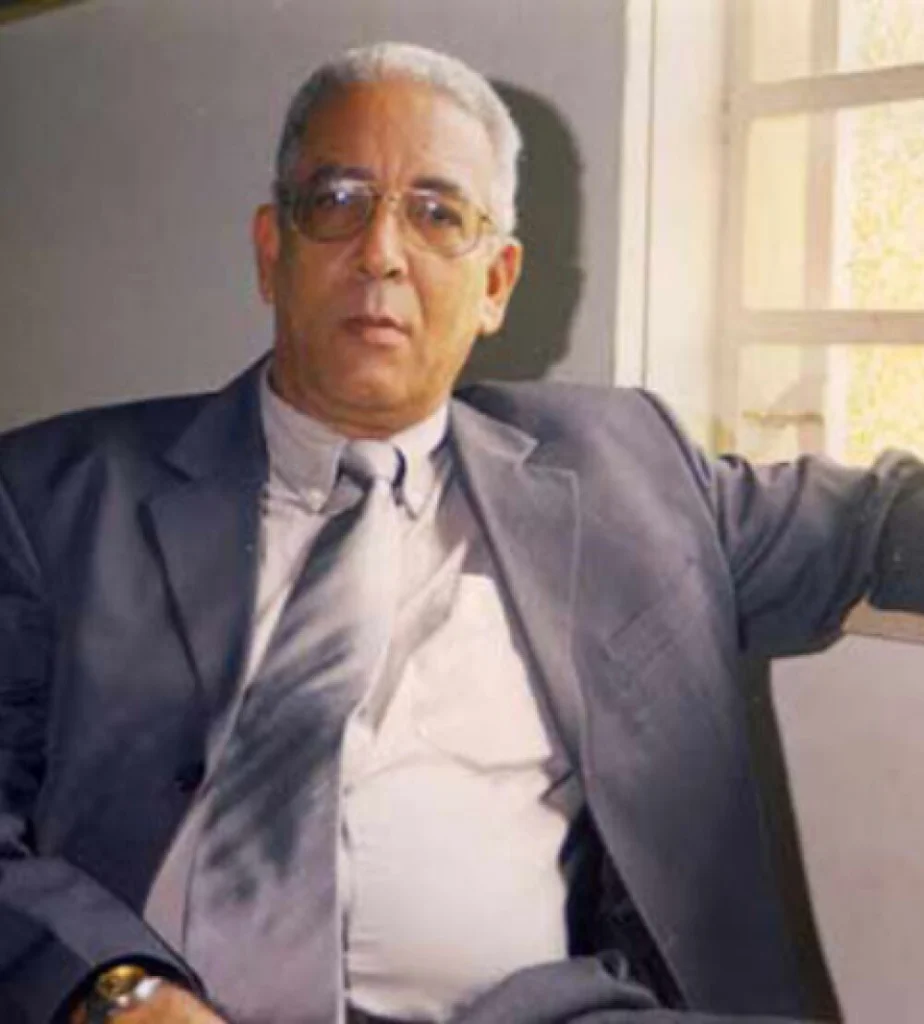
The death of Eduardo Moisés Torres Cuevas on August 31, 2025, at the age of 81, has plunged Cuba into a deep sense of loss. A towering figure in Cuban historiography, Torres Cuevas was not only a historian but a guardian of national memory, whose life and work were inseparable from the island’s revolutionary identity and intellectual independence. His passing marks the end of an era and leaves a profound void in Cuban academia and culture.
The Eduardo Torres Cuevas legacy is one of intellectual rigor, revolutionary commitment, and unwavering defense of Cuban sovereignty—a legacy that will continue to shape the nation’s understanding of itself.
Born in 1942 in Havana, Torres Cuevas came of age during the transformative years of the Cuban Revolution. At just 19, he joined the 1961 Literacy Campaign in the Sierra Maestra, an experience that forged his lifelong dedication to education, social justice, and national liberation. That mission—of bringing knowledge to the people—became the foundation of his academic and political journey.
A graduate of the University of Havana with degrees in Historical Sciences, he spent over four decades teaching at the university and other institutions, mentoring generations of historians, educators, and public intellectuals. His classroom was not confined to lecture halls; it extended to publications, editorial boards, and international forums where he championed a Cuban-centered interpretation of history.
His influence reached far beyond the island. He lectured at universities across Latin America and Europe, participated in international academic congresses, and collaborated with scholars worldwide, always returning to the central question: What does it mean to be Cuban?
Geopolitical Context: Why the Eduardo Torres Cuevas Legacy Matters Beyond Cuba
The significance of Eduardo Torres Cuevas legacy extends far beyond academic circles—it is deeply embedded in the geopolitical struggle for cultural sovereignty in Latin America. In a region where historical narratives have long been shaped by colonial powers and U.S. hegemony, Torres Cuevas dedicated his life to decolonizing Cuban history.
His work challenged Eurocentric and elitist interpretations of Cuba’s past, instead centering the struggles of enslaved Africans, peasants, workers, and revolutionaries as the true architects of national identity.
This effort was not merely academic; it was political and strategic. By reclaiming history from imperial distortions, Torres Cuevas helped fortify Cuba’s ideological resistance against external pressures, including decades of U.S. sanctions and cultural warfare.
His scholarship intersected with broader Latin American movements that seek to redefine national narratives—from Bolivia’s decolonization policies to Venezuela’s recovery of Simón Bolívar’s legacy. In this context, Torres Cuevas stands alongside figures like Enrique Dussel, Silvia Rivera Cusicanqui, and Beatriz Melano in the continental fight to decolonize knowledge.
Moreover, his defense of José Martí’s thought—free from mythification and grounded in material reality—provided a moral and intellectual compass for Cuba’s revolutionary project. Martí, often reduced to symbolic phrases, was restored by Torres Cuevas as a revolutionary thinker engaged in the concrete struggles of his time.
External Link: 🔗 UNESCO – Memory of the World: José Martí Archives
In an age of misinformation and historical revisionism, the Eduardo Torres Cuevas legacy serves as a bulwark against the erosion of truth. His insistence on scientific rigor combined with revolutionary ethics offers a model for scholars across the Global South.
A Life of Scholarship: Defining the Cuban Historical Consciousness
Torres Cuevas’ intellectual contributions were vast and multidimensional. As Director of the José Martí National Library (2007–2018), President of the Cuban Academy of History, and President of the José Martí Cultural Society, he held key institutional roles that allowed him to shape the direction of Cuban historiography for decades.
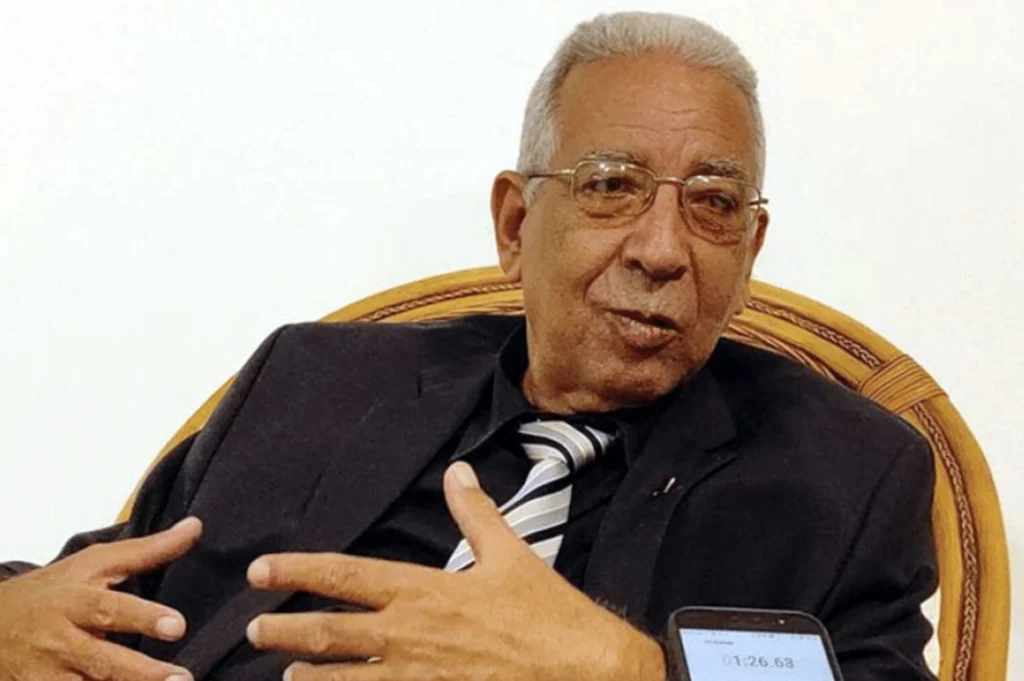
He was also the founder and director of the journal Debates Americanos and head of the publishing house Imagen Contemporánea, through which he promoted critical historical works and made academic knowledge accessible to broader audiences.
His editorial leadership ensured that Cuban history remained a living, evolving discourse, not a static monument.
His research focused on pivotal themes in Cuban identity formation:
- The Enlightenment-era criollo thought and the emergence of national consciousness in the 19th century.
- The role of slavery and the plantation system in shaping social hierarchies and cultural resistance.
- The contributions of the Catholic Church and Freemasonry to the independence movement.
- The ideological foundations of the Cuban Revolution and its continuity with earlier struggles.
Torres Cuevas rejected simplistic, mythologized versions of history. Instead, he applied critical methodologies, including Gramscian analysis, to explore how cultural hegemony, ideology, and popular resistance shaped Cuba’s path.
He treated figures like José Martí, Antonio Maceo, and Félix Varela not as untouchable icons, but as complex historical actors whose ideas evolved through struggle. This humanizing approach made their legacies more accessible and relevant to contemporary challenges.
His work on economic and social structures in colonial Cuba revealed how slavery and monoculture created deep inequalities that persisted long after independence. These insights remain crucial for understanding modern Cuba’s development challenges.
Recognition and National Tribute
The impact of Eduardo Torres Cuevas legacy has been widely recognized. He received Cuba’s highest academic honors, including the National History Prize and the Félix Varela Award, both testaments to his influence and integrity.
President Miguel Díaz-Canel expressed deep condolences, stating: “His legacy is an essential foundation for understanding our national being and the political and cultural history of the island. He was a fundamental pillar in understanding our country’s history and shaping our identity.”
Academic institutions, cultural organizations, former students, and fellow historians have echoed this sentiment, highlighting his rigor, humility, and revolutionary ethics. Many recall his ability to connect historical analysis with present-day struggles, making the past a tool for liberation rather than nostalgia.
🔗 Cuban Academy of Sciences – Obituary and Academic Contributions
At a time when Cuba faces economic hardship and external pressures, the Eduardo Torres Cuevas legacy serves as a reminder of the power of ideas and the importance of cultural sovereignty. His life was a testament to the belief that to know one’s history is to defend one’s future.
Conclusion: A Light That Will Not Fade
Eduardo Moisés Torres Cuevas was more than a historian—he was a builder of national consciousness. His death is a loss, but his Eduardo Torres Cuevas legacy is eternal.
In classrooms, libraries, and public discourse, his voice will continue to guide those who seek to understand Cuba not through foreign eyes, but through its own struggles, dreams, and triumphs.
He taught that history is not a collection of dates and names, but a living process of resistance, identity, and hope. And in that spirit, his work will inspire generations to come.
As Cuba mourns, it also celebrates: a great intellectual has passed, but his ideas remain—firm, clear, and revolutionary.
Author: JMVR
Source: Cubadebate- JR