Cuba denounces impact of the U.S. blockade on climate change before COP30
The Caribbean island urged to abandon protectionism and unilateralism, mobilize political will to confront inequalities, and create the necessary conditions to implement effective climate actions.
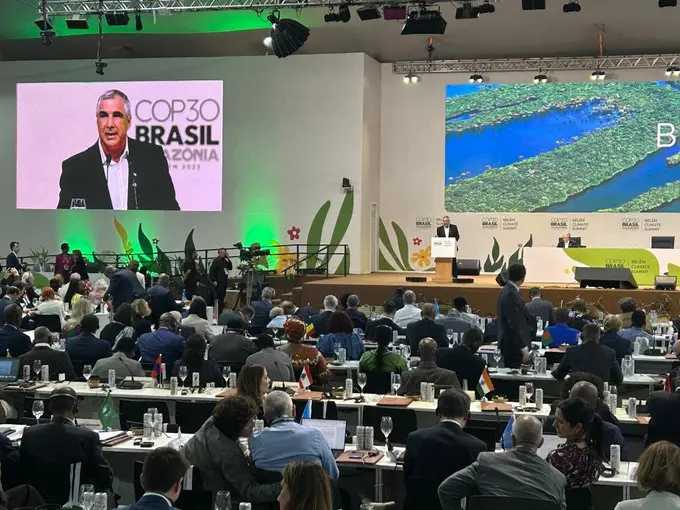
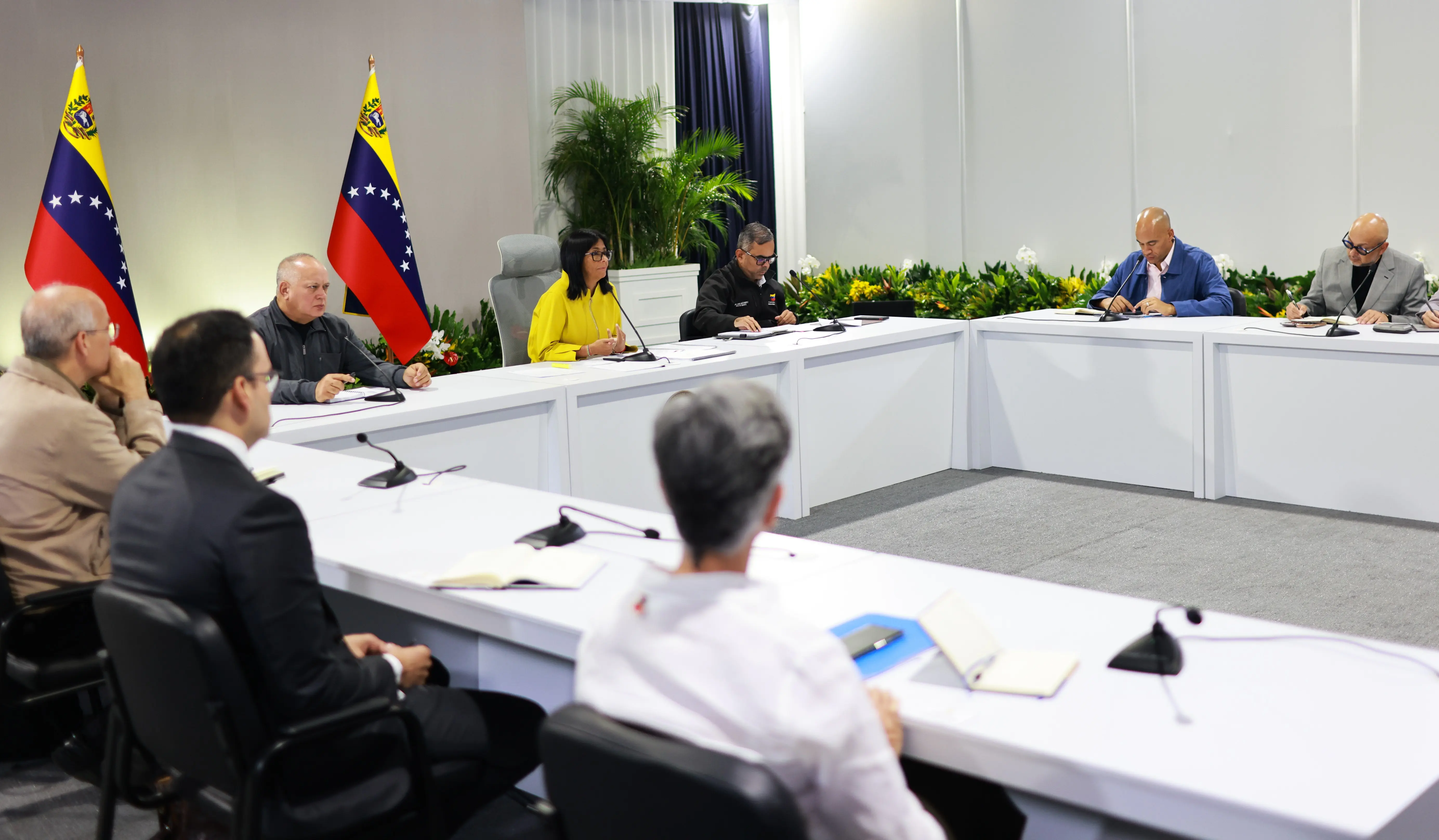
Martínez contextualized the climate crisis in an unfavorable global scenario, pointing out that the original causes of the crisis persist, driven by unsustainable consumption patterns. Photo: @EmbaCubaBrasil.
November 6, 2025 Hour: 12:30 pm
🔗 Comparte este artículo
In the framework of the 30th Conference of the Parties (COP30) of the United Nations on Climate Change, which is taking place in Belém, Brazil, the Deputy Prime Minister of Cuba, Eduardo Martínez, representing his country, denounced the United States’ financial blockade against the island as the greatest obstacle to its climate action and to its own development.
RELATED:
World Leaders Gather in Brazil’s Amazon as COP30 Summit Opens
“The greatest challenge to implement our national contributions is the financial blockade of the United States Government against Cuba, including actions against the will of others to cooperate with our country,” said the Cuban representative, recalling that this policy has been overwhelmingly condemned by the United Nations General Assembly.
Despite the impediment, Cuba reaffirmed its adherence to the Paris Agreement and multilateral processes, highlighting the recent presentation of its Transparency Report and the update of its National Contribution (NDC).
Martínez contextualized the climate crisis in an unfavorable global scenario, pointing out that the original causes of the crisis persist, driven by unsustainable consumption patterns, inequality, and the privileges of elites that have roots in a colonial past.
In the same vein, he criticized the weakening of the multilateral system and the lack of international support for the nations of the South to overcome poverty and inequalities. In this regard, Cuba condemned the lack of commitment from developed countries, particularly that of the United States, and its increase in the use of weapons and aircraft, while the least emitting countries suffer the consequences of non-compliance with the Paris Agreement.
The Cuban delegation urged the international community to make rapid changes in the international order and in financial institutions. The deputy prime minister said that these institutions are reproducing old models that go against the cooperation and needs of the present.
The Caribbean country called for immediate action through three fundamental pillars: expanding financing to mitigate the vulnerability of small island states, abandoning practices of protectionism and unilateralism in international relations, and mobilizing the necessary political will to confront and reduce the inequalities that persist today.
Author: HGV
Source: COP 30