


Colombia Electoral Transparency 2026: Urgent Warning Signals Serious Fraud Risks
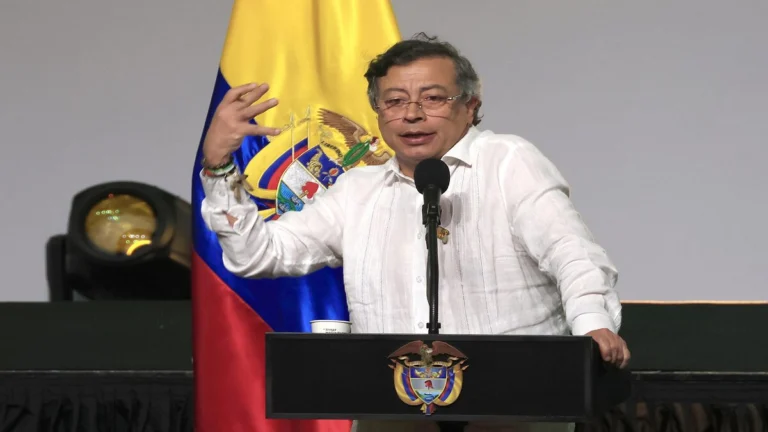
(FILE) Colombian President Gustavo Petro. Photo: EFE.
February 28, 2026 Hour: 11:13 am
🔗 Comparte este artículo
Colombia Electoral Transparency 2026 under scrutiny as President Gustavo Petro demands independent audit of vote-counting software nine days before March elections. Concerns over private firms and past irregularities intensify debate.
Related: Ivan Cepeda Extends Commanding Lead Ahead of Colombia’s General Elections
Colombia Electoral Transparency Questioned Nine Days Before Key Votes
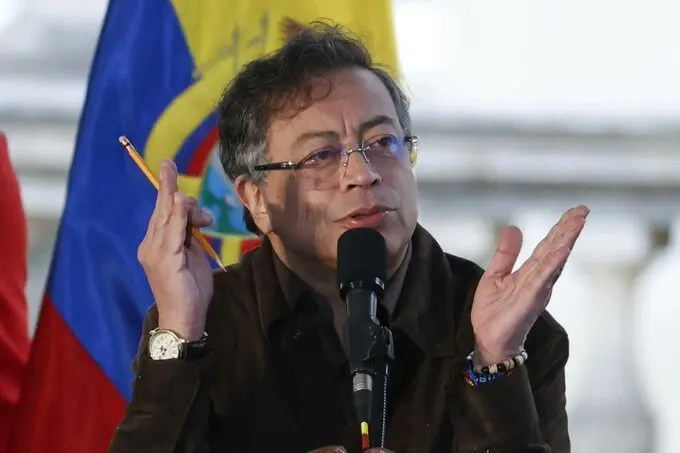
Bogotá, February 28, 2026 — Colombian President Gustavo Petro has intensified his calls for greater Colombia Electoral Transparency with just nine days remaining until the March 8 legislative elections and inter-party consultations that will select presidential contenders. He reiterated that while National Registrar Hernán Penagos demonstrated the vote-counting software, it has yet to undergo independent review by specialists from political parties or neutral experts.
Petro stressed that true assurance comes from auditing the source code and algorithms. “Elections are not transparent by merely showing software; they require auditing its source code—its formulas—by independent persons, not you, Mr. Registrar, nor those you hired who developed and manage it,” he stated publicly.
The president pointed to affiliations with a company accused of electoral irregularities in Colombia and abroad, including a proven case in 2014. He urged the Registrar to provide parties with copies of the software for prior verification, ensuring the version used on election day matches the audited one without last-minute changes.
These concerns gained renewed momentum following a recent investigative report by the alternative outlet Revista Raya, which highlighted persistent links to contested contractors despite formal withdrawals.
Geopolitical Context
Colombia Electoral Transparency debates occur amid heightened political polarization ahead of the 2026 presidential cycle, where Petro’s left-leaning administration faces opposition from traditional and right-wing forces. With legislative majorities at stake on March 8 and primaries shaping the race for May’s first round, doubts over vote integrity risk eroding public confidence and fueling post-election disputes. Regionally, similar transparency concerns have surfaced in neighboring nations like Venezuela and Honduras, often tied to foreign contractor involvement and digital vulnerabilities. Globally, the issue reflects broader trends in democratic backsliding fears, where allegations of manipulation—whether substantiated or not—can polarize societies, strain institutions, and invite international observation from bodies like the OAS or Carter Center. Success in addressing these warnings could bolster Colombia’s democratic credentials; failure might deepen divisions and affect investor confidence in Latin America’s third-largest economy.
Petro’s Specific Demands and Contractor Controversy in Colombia Electoral Transparency
The president directly addressed Registrar Penagos, demanding access for party-designated experts to examine the full source code. Petro argued that private management creates unacceptable risks, especially given historical precedents.
He referenced a 2014 Council of State ruling that found irregularities in Senate elections affecting the Mira party and ordered the state to acquire and control vote-counting software directly—an instruction he claims remains unfulfilled.
Petro linked the current system to ASD Group, which he described as a subsidiary of Thomas Greg and Sons, the long-time contractor for Colombian passports. He alleged ASD’s involvement in questioned processes: the 2014 fraud, alleged manipulations against the Historic Pact coalition in 2022, and irregularities in 2023 local youth elections.
Despite ASD’s documented withdrawal from the 2026 preconteo contract following issues in Honduras’ presidential vote, Revista Raya’s reporting revealed ongoing ties through subcontracts, simulations, and related entities—prompting Petro to assert the same group effectively retains influence.
“This company ASD handles preconteo for the 2026 congressional and presidential elections,” Petro stated, urging full independence and state oversight.
For the full text of Petro’s public statements and demands, see Presidencia de la República official release.
Additional investigative details from Revista Raya are available at their exclusive report.
Security Measures and Broader Electoral Integrity Concerns
Defense Minister Pedro Sánchez announced the seizure of 623 million pesos (approximately $165,000 USD) potentially linked to electoral crimes in departments including Santander, Cundinamarca, Meta, and Antioquia. The operation resulted from joint efforts by the Attorney General’s Office and National Police.
Authorities are probing 14 major cases involving illegal campaign financing, voter coercion, identity theft, and disqualifications—issues that compound digital and procedural worries.
Petro has framed these incidents as part of systemic vulnerabilities, urging stronger safeguards like international oversight and full code audits to restore trust.
Critics, including opposition figures and some electoral watchdogs, have countered that Petro’s repeated allegations—without conclusive new evidence—could undermine institutions ahead of the vote. The National Registry maintains the system meets international standards, with multi-party oversight and paper trails ensuring verifiability.
Nevertheless, the president’s insistence keeps the spotlight on Colombia Electoral Transparency as polling day nears. With high stakes for congressional balance and the presidential field, transparent resolution of these concerns remains essential for credible results.
The coming days will test whether dialogue between the government, Registry, and parties yields concrete measures—or deepens divisions in an already polarized landscape.
Author: JMVR
Source: Agencias