


Brazil’s Lower House Passes $950 Million Incentive Package for Critical Minerals
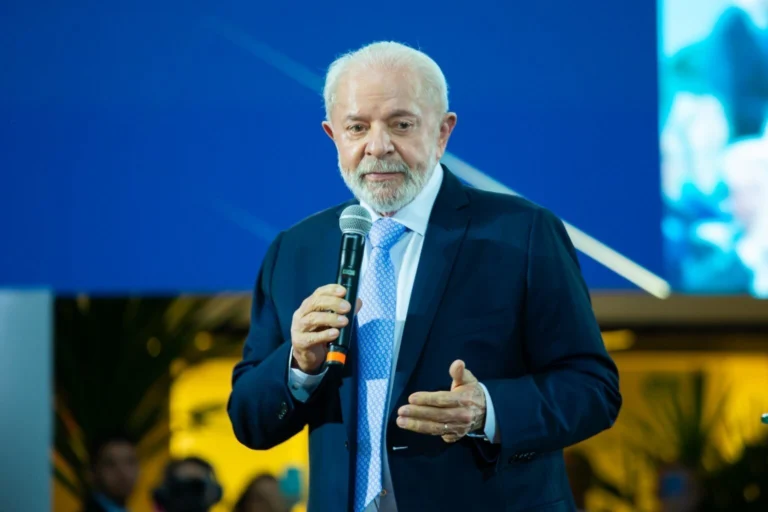
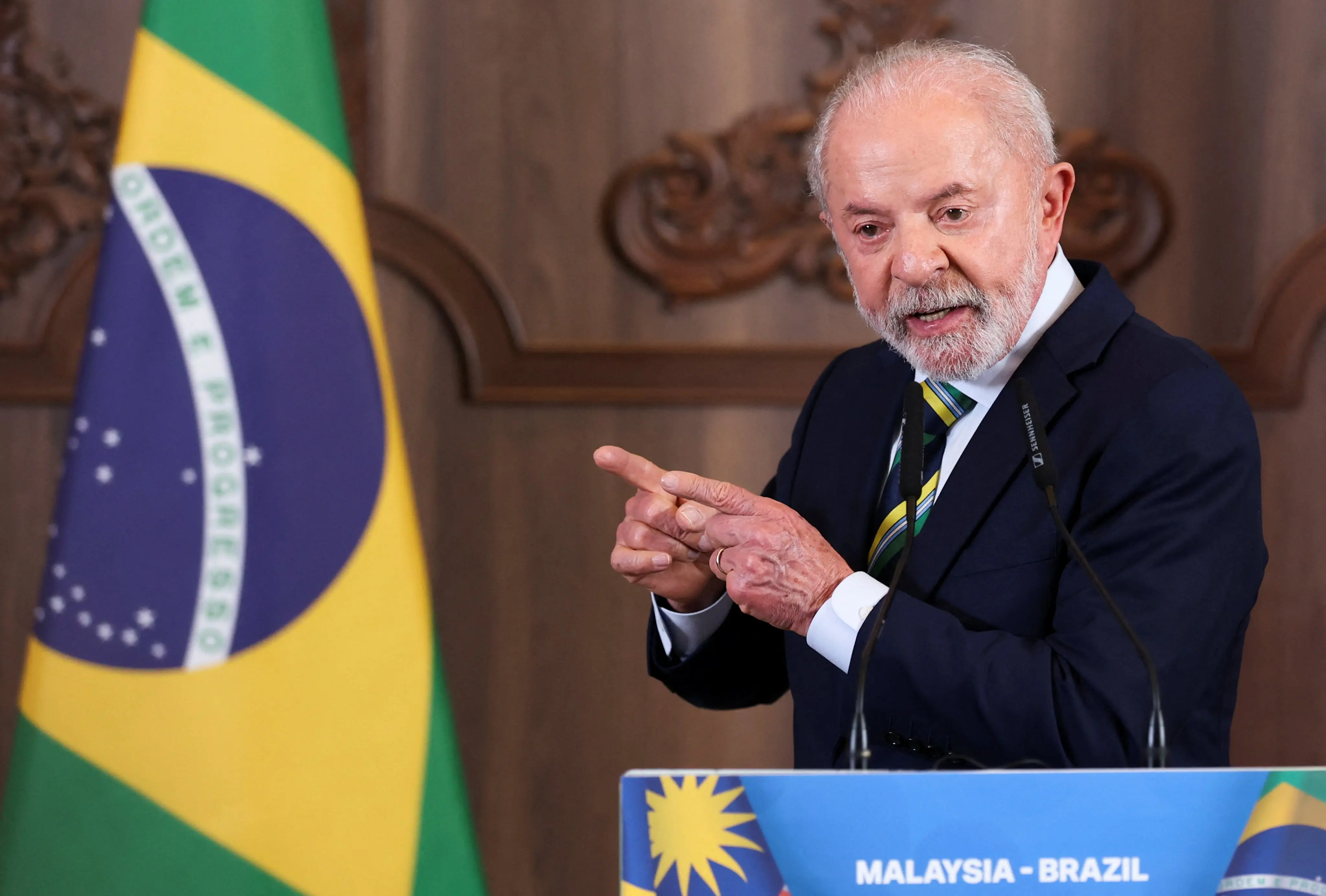
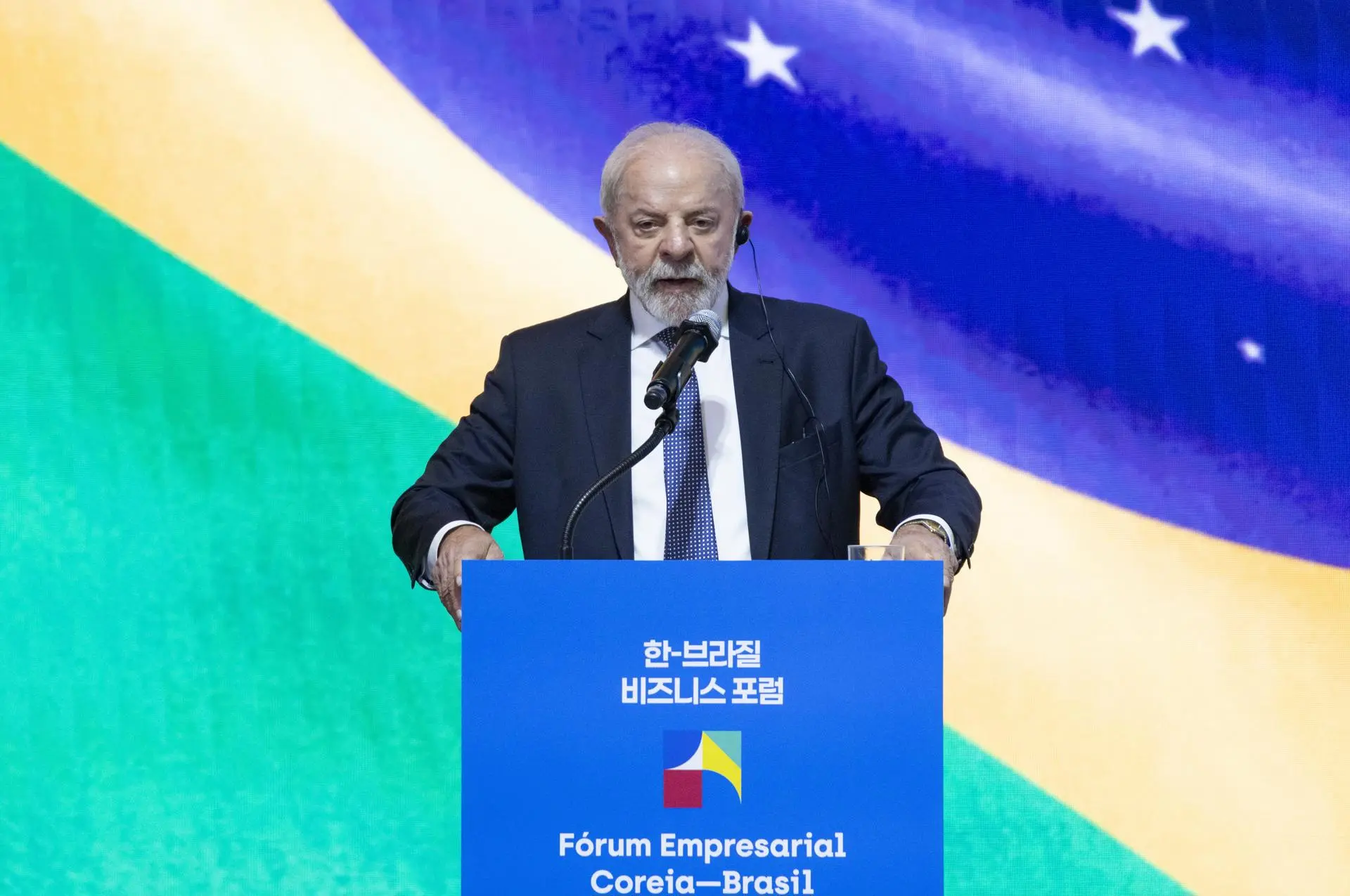
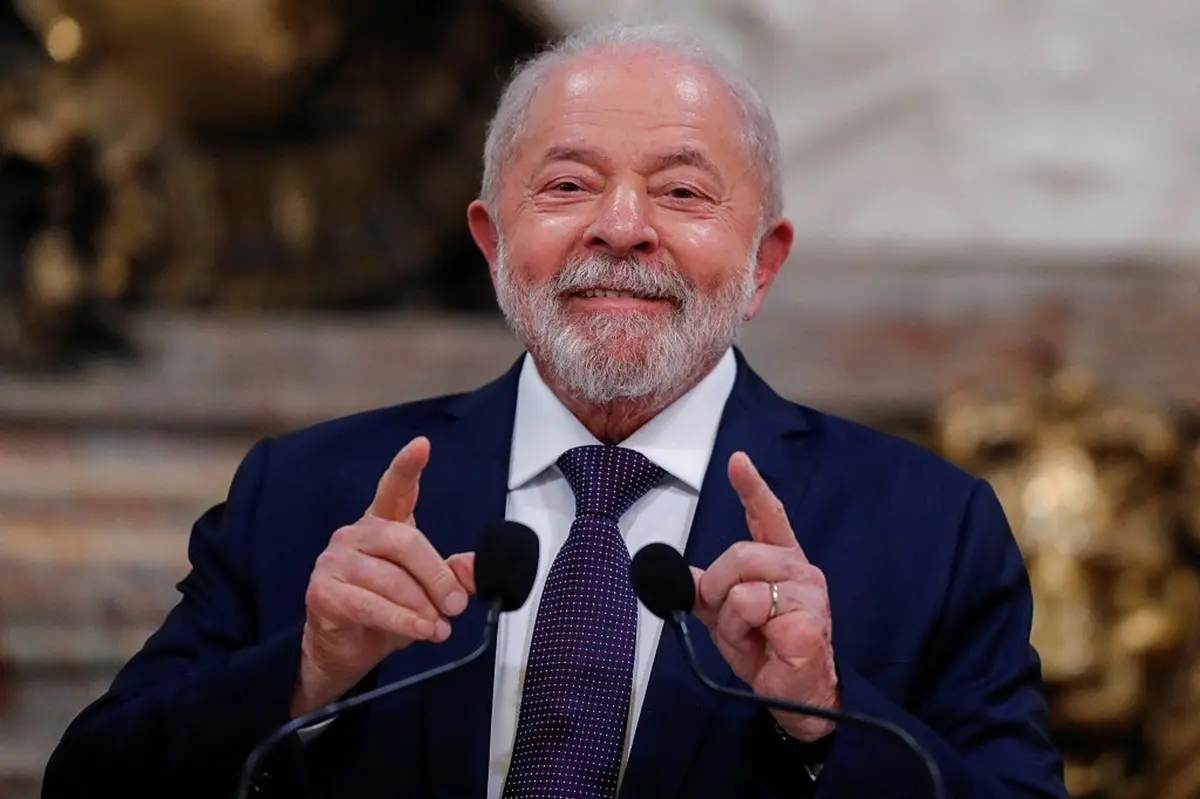
(FILE) Brazilian President Luiz Inacio Lula da Silva. Photo: EFE.
May 7, 2026 Hour: 12:07 am
🔗 Comparte este artículo
Brazil’s Chamber of Deputies approved legislation on Wednesday that could create a National Policy on Critical and Strategic Minerals, unlocking up to 5 billion reais ($950 million) in tax incentives to spur exploration, mining and domestic refining of lithium, rare earths, nickel and other materials vital for the clean-energy transition.
The bill, adopted by consensus without a formal vote, now moves to the Senate. Final approval would allow President Luiz Inácio Lula da Silva to sign it into law, just a day before he sits down with U.S. President Donald Trump to discuss bilateral cooperation on critical-mineral supply chains.
RELATED: Brazil Approves Creation of First Native People’s University
The centerpiece of the initiative is a package of fiscal breaks worth 5 billion reais between 2030 and 2034. It also creates a government fund to extend credit to companies that process rare earths, establishes preferential credit lines for technological research, supports environmental licensing, and sets up a special customs regime for equipment tied to the production chain.
A core goal is to break Brazil’s cycle of merely exporting raw ore. Lawmakers want the country — which holds the world’s second-largest critical-mineral reserves after China — to refine and add value domestically, positioning itself as an indispensable supplier for batteries, electric motors and renewable energy infrastructure, while also reducing reliance on imported agricultural inputs such as potash and phosphate.
Environmental watchdogs, however, warn the model risks deepening an extractivist economy without guaranteeing a just transition. The Climate Observatory, a network of more than 100 green groups, cautioned in a technical note that the bill could fast-track projects without adequate safeguards, expand tax breaks under weak governance, and open the door to regulatory “greenwashing.”
“The text allows licensing to be accelerated without strengthening technical oversight and enforcement. That creates legal uncertainty and produces fragile permits,” said Adriana Pinheiro of the Observatory.
Thales Machado of Conectas Human Rights added that giving priority to mining expansion “without demanding effective safeguards can increase human rights violations,” particularly in Indigenous territories and traditional communities.
Author: Victor Miranda
Source: EFE